Trump DOJ Submits Unredacted Epstein Records to Federal Judge for Private Review
Key Takeaways
- •The DOJ submitted unredacted Epstein records to U.S. District Judge Emmet Sullivan for confidential review following a court order issued in July.
- •Acting Attorney General Todd Blanche, who previously served as Donald Trump's personal criminal defense attorney, authorized the handover of the documents.
- •The DOJ contends that the unredacted records validate ten disputed redactions, with the majority protecting the identities of victims or potential victims.
- •The judge will examine the materials privately under an in camera review process rather than placing them on the public docket.
- •The disclosure resulted from a lawsuit by journalist Katie Phang challenging the extent of redactions in the publicly released version of the Epstein files.
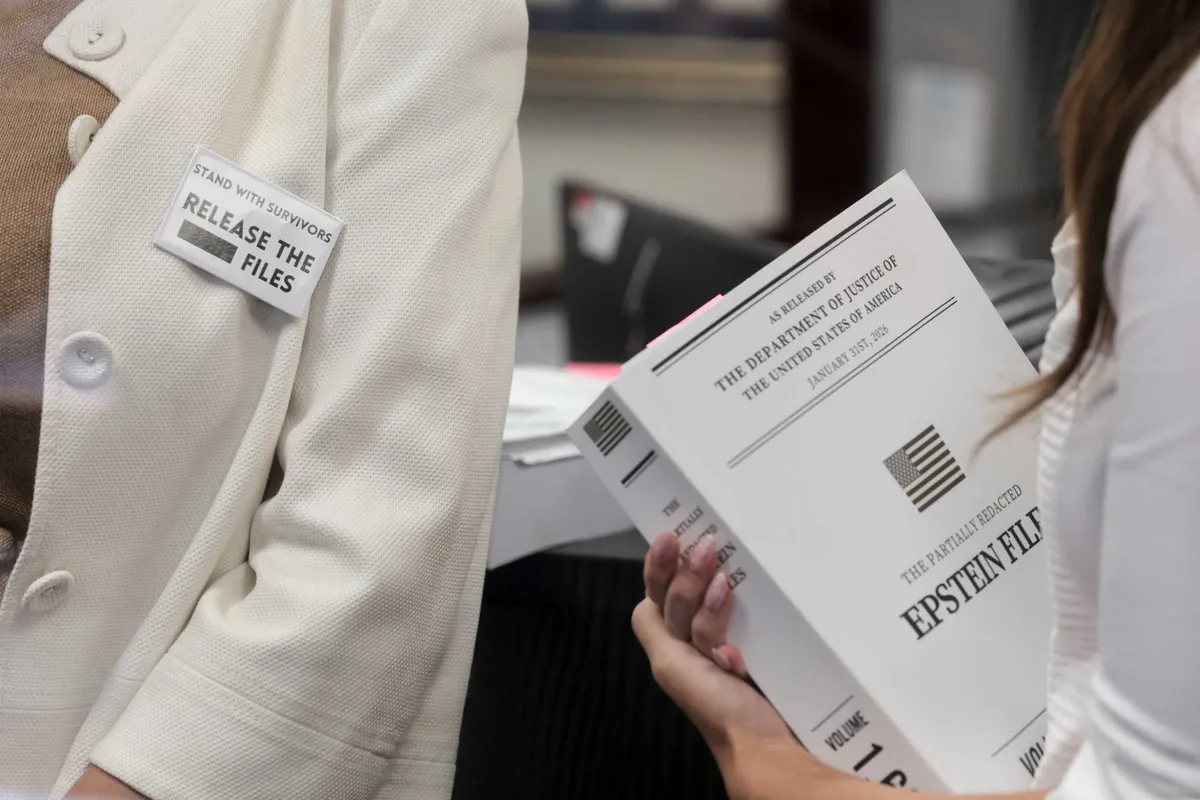
The U.S. Department of Justice has turned over unredacted records from the Jeffrey Epstein files to a federal judge for private review, a step that could open the door to new disclosures regarding the government's handling of the high-profile case.
According to reporting by MeidasTouch News, the Trump DOJ confirmed on Thursday that it had submitted the unredacted records for confidential judicial review. The disclosure comes amid an ongoing lawsuit filed by journalist and legal analyst Katie Phang, who challenged the Trump administration over the extent of its redactions in the publicly released version of the Epstein files.
Court documents filed by the DOJ and shared by MeidasTouch News indicate that Acting Attorney General Todd Blanche authorized the handover. Blanche, who previously served as Donald Trump's personal criminal defense attorney before being appointed to lead the Justice Department, approved the submission so that the government could demonstrate the basis for its redaction decisions in the current public version of the files.
In the filing, the DOJ argues that the unredacted records confirm that its stated justifications support ten specific redactions that the court had previously flagged for review. According to the department, the majority of the disputed redactions shield the identities of victims or potential victims. The remaining redactions protect personal information as well as the identities of law enforcement personnel and an assistant U.S. attorney.
The DOJ also acknowledged that Epstein's own email address had been "inadvertently" redacted in one record and stated that the redaction has since been lifted.
U.S. District Judge Emmet Sullivan, a senior judge in the District of Columbia who has overseen numerous high-profile matters, will conduct the review. Earlier in July, Judge Sullivan ordered the DOJ to produce documentation substantiating a series of redactions in the Epstein files.
MeidasTouch News reported that the records are being reviewed "in camera," meaning the judge will examine them privately rather than placing them on the public docket. This process enables Sullivan to independently assess what the government redacted and determine whether the DOJ's justifications are supported.
The Epstein files have been the subject of sustained public interest and litigation since Epstein, a wealthy financier and convicted sex offender, died in federal custody in August 2019 while awaiting trial on federal sex trafficking charges. Multiple parties have pursued Freedom of Information Act requests and lawsuits to compel greater disclosure of government records related to the case.
The development drew public attention online. Journalist Aaron Parnas wrote in a post on X that the move represents "one step closer to accountability."

