DOJ Says Presidential Influence Over Prosecutors Is Constitutional in Comey Case
Key Takeaways
- •The Justice Department argued in a court filing that presidential direction of the department is constitutionally permissible, while denying any such influence motivated the prosecution of James Comey.
- •Comey was indicted in April 2026 on a charge of threatening President Donald Trump by posting a beach photo of seashells spelling "86 47."
- •Prosecutors stated that U.S. Attorney Ellis Boyle acted independently and that no one ordered or suggested he pursue the investigation or indictment.
- •Comey's dismissal motion claims vindictive prosecution and cites a Trump Truth Social post urging former Attorney General Pam Bondi that "JUSTICE MUST BE SERVED NOW."
- •The case also implicates First Amendment "true threats" doctrine under Counterman v. Montana, and Comey's trial is scheduled for October 21 in New Bern, North Carolina.
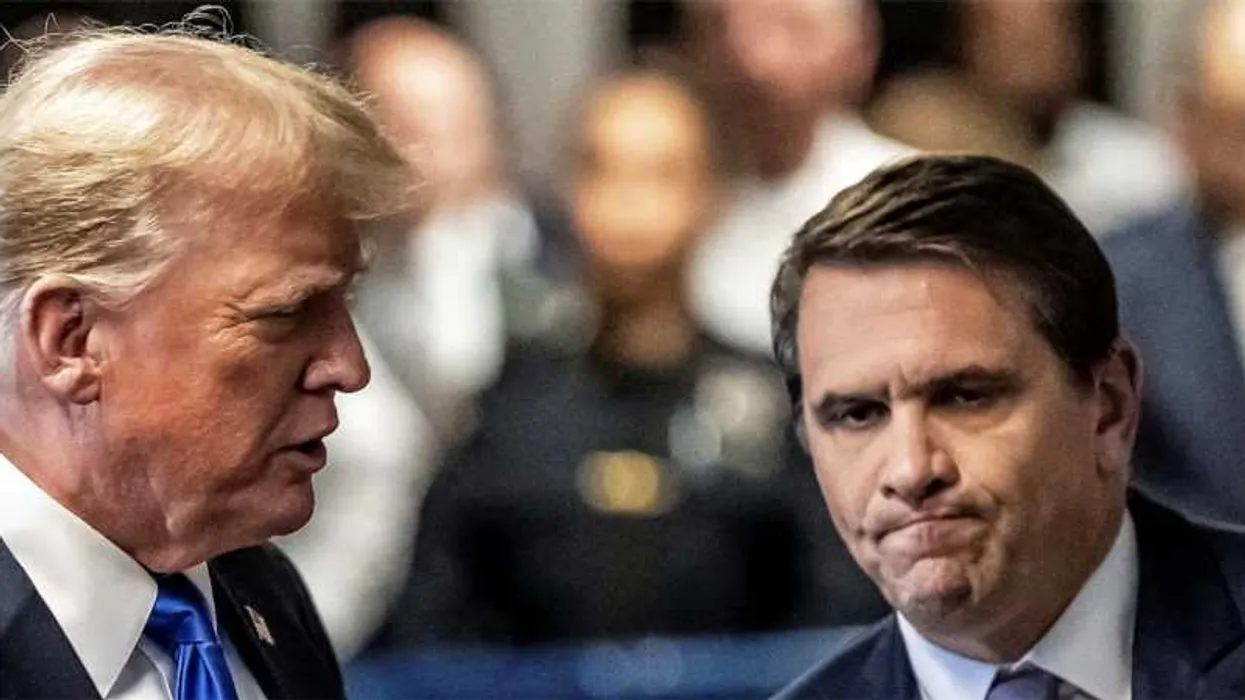
The Justice Department told a federal court that presidents constitutionally "have an influence" over prosecutors, even as it argued that no such influence drove its prosecution of former FBI Director James Comey.
The DOJ filed its response Tuesday to Comey’s motion to dismiss the North Carolina “seashell” case — the April 2026 indictment charging him with threatening President Donald Trump by posting a beach photo of shells arranged to spell “86 47.” The phrase is the crux of the dispute: “86” is slang for getting rid of something, and “47” refers to Trump as the 47th president.
Comey’s defense says the case is vindictive, amounting to retaliation for years of public criticism of Trump. The backdrop is long: Comey led the FBI from 2013 until Trump fired him in May 2017, in the midst of the bureau’s investigation into Russian election interference, and the two have publicly clashed ever since.
That argument may have gained new support from the government’s own filing. On page 9, prosecutors wrote that a president directing the Justice Department is a constitutional “feature, not a bug.”
"The Chief Executive directing his subordinates to exercise core Executive functions is a feature, not a bug, of our constitutional system," the filing said.
The DOJ went further, saying the idea of an independent Justice Department is "antithetical to the constitutional separation of powers" and "as a matter of historical analysis, it is a myth." In practice, the department has long operated under the opposite norm: successive attorneys general have maintained written limits on White House contact about pending criminal matters, including a 2009 memo by then-Attorney General Eric Holder restricting who at the Justice Department could communicate with the White House about specific cases — policies rooted in the post-Watergate era.
At the same time, the filing insisted that U.S. Attorney Ellis Boyle, the prosecutor who brought the charges, acted entirely independently from Trump and faced no pressure of any kind.
"No one ordered or even suggested that Boyle pursue the ongoing investigation or seek an indictment," the filing said. It also said Boyle did not discuss the charges with the acting attorney general until the day before grand jury proceedings began.
That contradiction lies at the center of Comey’s effort to get the case thrown out. In his motion, Comey argued the prosecution "effectuates a yearslong campaign by the President to use the criminal process to punish Mr. Comey for his protected speech and because of the President's deep-seated animosity." Vindictive-prosecution claims, which rest on due process, carry a heavy burden in court: defendants generally must point to concrete evidence of retaliation for protected activity rather than an inference drawn from a president’s public posts.
As support, Comey cited a Truth Social post in which Trump directed former Attorney General Pam Bondi to act, writing: "JUSTICE MUST BE SERVED NOW."
The DOJ rejected that post as simply reflecting Trump’s belief that Comey had committed crimes, rather than a directive to prosecute. But the filing’s own statement that the Constitution "plainly contemplates" presidential influence over prosecutors appears to undercut that position. The case also sits at the edge of First Amendment doctrine on "true threats," a category the Supreme Court addressed in 2023 in Counterman v. Montana, which held that such prosecutions require proof the defendant was at least reckless about how a threatening statement would be understood.
Comey’s trial is scheduled for October 21 in New Bern, North Carolina. The judge’s ruling on the dismissal motion is the next step before that date.
