US Treasury Doubles Long-Dated Bond Buybacks to $4 Billion Per Operation
Key Takeaways
- •The Treasury will raise the maximum size of selected liquidity-support buybacks to at least $4 billion from $2 billion per operation.
- •The higher buyback limit applies to longer-dated securities in the 10-year to 20-year and 20-year to 30-year maturity ranges.
- •The policy begins on September 9 and runs through November 4, when the next Quarterly Refunding announcement is scheduled.
- •The decision follows a period of elevated Treasury-market volatility and rising long-term yields, including a recent multi-year high in the 30-year yield.
- •Reuters reported that a recent buyback operation drew nearly $20 billion in offers, highlighting strong investor demand for the program.
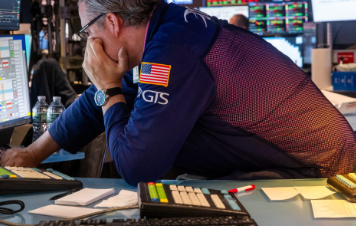
The U.S. Treasury Department is increasing the size of its long-dated Treasury bond buyback operations as officials move to provide additional liquidity to one of the world's most important financial markets.
Beginning September 9, the Treasury will raise the maximum size of certain liquidity-support buybacks from $2 billion to at least $4 billion per operation. The higher limit will remain in place through November 4, covering the remainder of the current refunding quarter.
The announcement follows renewed volatility in the U.S. Treasury market that pushed long-term borrowing costs higher. Treasury officials said the larger operations are intended to provide greater liquidity support in longer-dated securities, where demand from market participants has been strong.
The development was also highlighted by the X account @coinbureau, placing the Treasury's move on the radar of cryptocurrency and macroeconomic investors who closely track changes in U.S. liquidity and bond-market conditions.
Larger Buybacks for the Long End
The new policy applies specifically to longer-dated nominal coupon securities. The Treasury will raise the maximum purchase size for securities in the 10-year to 20-year sector and the 20-year to 30-year sector from $2 billion to at least $4 billion per operation.
The change takes effect September 9 and remains in force until November 4, when the Treasury is scheduled to hold its next Quarterly Refunding announcement. The department said it will provide additional information about future buyback sizes at that time.
Treasury buybacks are not the same as the Federal Reserve conducting quantitative easing. The Treasury purchases previously issued securities from investors. These transactions can improve liquidity in older, less actively traded Treasury securities while allowing the government to manage its outstanding debt more efficiently.
Why the Treasury Is Buying Long-Term Bonds
The decision follows a period of significant volatility at the long end of the Treasury market. Long-term Treasury yields have risen sharply as investors reassess inflation, government borrowing requirements and the outlook for interest rates. The 30-year Treasury yield recently reached its highest level in years, increasing pressure on borrowing costs across the broader financial system.
Higher Treasury yields can affect everything from mortgage rates and corporate borrowing costs to equity valuations and cryptocurrency markets, giving the Treasury a direct interest in maintaining an orderly and liquid market for government debt.
According to the department, the larger buybacks reflect strong sponsorship from market participants and the substantial volume of high-quality offers it regularly receives in longer-dated buyback operations.
Nearly $20 Billion in Offers Underscores Demand
The latest move also comes after investors showed significant interest in Treasury buybacks. Recent operations have attracted a large volume of offers from holders looking to sell eligible securities back to the government.
Reuters reported that a recent operation generated nearly $20 billion in offers, underscoring the strong demand for Treasury buyback transactions.
The Treasury does not necessarily purchase every security offered by investors. Instead, it selects securities according to the objectives and limits of each operation. Raising the maximum size to $4 billion gives the department greater capacity to absorb eligible securities when market conditions warrant it — capacity that could be particularly useful during periods of stress, when liquidity becomes harder to find.
Treasury Buybacks Are Not Quantitative Easing
The announcement has drawn attention from macro investors because the larger purchases could be interpreted as a form of liquidity support. Treasury buybacks, however, should not automatically be classified as quantitative easing.
Quantitative easing is generally associated with central-bank purchases of financial assets designed to influence monetary conditions. Treasury buybacks, by contrast, are conducted by the U.S. government as part of debt-management operations. The Treasury has previously described liquidity-support buybacks as a way to provide a predictable opportunity for investors to sell older Treasury securities and improve overall market functioning.
The distinction matters: the Treasury's decision does not mean the Federal Reserve has restarted an asset-purchase program. Even so, the market impact can still be significant, because Treasury purchases can affect supply and demand dynamics across government bond markets.
Why the Move Matters for Financial Markets
U.S. Treasury securities serve as a benchmark for global financial markets. When long-term Treasury yields rise, borrowing costs can increase throughout the economy, and investors frequently use Treasury yields to judge the relative attractiveness of stocks, corporate bonds and other risk assets. That makes the Treasury's decision important well beyond the bond market.
A more liquid long-term Treasury market could help ease some of the pressure created by recent volatility. The announcement initially helped push Treasury yields lower, with the 30-year yield posting a notable decline following the news — a reaction that demonstrates how closely markets are watching government debt-management policy.
Potential Implications for Bitcoin and Crypto
The move could also attract attention from cryptocurrency investors. Bitcoin and other risk assets are highly sensitive to changes in global liquidity, interest rates and financial conditions. When Treasury yields rise sharply, investors can become more cautious toward assets considered higher risk; conversely, falling yields and improving market liquidity can potentially create a more favorable environment for equities and cryptocurrencies.
That does not mean the $4 billion Treasury buybacks will directly push Bitcoin higher. The scale of the purchases is relatively small compared with the overall U.S. Treasury market. The policy can instead be viewed as part of a broader effort to improve market functioning during a period of elevated volatility.
Crypto investors are expected to continue watching Treasury yields, Federal Reserve policy, dollar liquidity and government debt issuance for signals about the broader macroeconomic environment.
What Happens Next
The increased buyback limits take effect September 9 and remain in place through November 4. Officials are expected to provide further guidance at the November Quarterly Refunding, potentially offering investors a clearer picture of whether the larger buyback operations will continue beyond the current period.
For now, the decision represents a meaningful increase in the Treasury's liquidity-support capacity for long-dated government bonds. With the U.S. debt market facing pressure from high borrowing needs and changing investor demand, maintaining liquidity will remain a key priority. The larger buybacks could help support orderly trading conditions while giving investors greater opportunities to sell older Treasury securities.
For markets broadly, the move is another reminder that U.S. government debt remains one of the most important forces shaping global financial conditions.

