Pentagon Weighs Persian Gulf Troop Withdrawal After Iranian Strikes Damage US Bases
Key Takeaways
- •Iranian strikes during Operation Epic Fury, which began February 28, 2026, damaged at least 20 US military sites and roughly 228 structures or pieces of military equipment across Bahrain, Kuwait, Qatar, and the UAE.
- •Dozens of US service members have been killed or wounded since February, and early cost estimates for the military campaign have surpassed $5 billion.
- •Defense Secretary Pete Hagseth has not initiated a formal review, meaning no withdrawal orders have been issued and no drawdown timeline exists.
- •Officials are weighing potential relocations to Jordan or Saudi Arabia's Red Sea coast, both of which sit farther from Iranian strike capabilities than the damaged Gulf-side bases.
- •A withdrawal would mark a departure from decades of US presence anchored by Al Udeid Air Base in Qatar and the Fifth Fleet in Bahrain, and any relocation would involve negotiations with host governments and consultations with Congress.
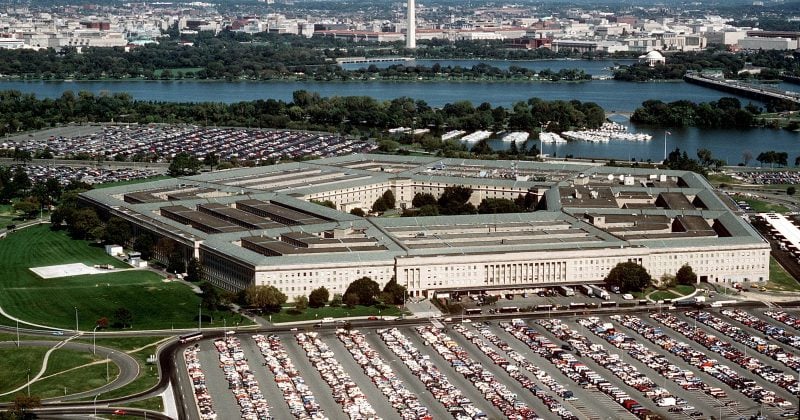
The Pentagon is quietly examining what would rank among the most consequential shifts in US military strategy in decades: withdrawing troops from the Persian Gulf.
After Iranian missile and drone strikes damaged at least 20 American military sites across Bahrain, Kuwait, Qatar, and the UAE, Defense Department officials and US Central Command (CENTCOM) are now debating whether it makes more sense to rebuild what was destroyed or move forces somewhere Iran cannot reach them.
The damage that forced the question
The conflict, which the Pentagon has dubbed Operation Epic Fury, began on February 28, 2026, with joint US-Israeli military operations against Iran. Tehran's retaliation has been anything but symbolic.
Satellite imagery analysis has identified roughly 228 structures or pieces of military equipment hit by Iranian attacks across four countries. Dozens of US service members have been killed or wounded since February, and early cost estimates for the military campaign have already surpassed $5B.
Some officials have described the situation as a "once-in-a-generation chance" to reshape the US regional military posture.
Where forces might go
The discussions, first reported by the Washington Post on August 18, 2026, are still preliminary. Defense Secretary Pete Hegseth has not initiated a formal review, meaning no orders have been issued and no drawdown timeline exists.
But the contours of the debate are already taking shape. Officials are weighing potential relocations to Jordan or Saudi Arabia's Red Sea coast, both of which sit further from Iranian strike capabilities.
Such a move would represent a sharp departure from the US military's Gulf posture, which has been built up over decades. Since the 1991 Gulf War, Washington has maintained a substantial forward presence in the region, anchored by major installations in Qatar — home to Al Udeid Air Base, CENTCOM's forward headquarters — and Bahrain, home to the US Fifth Fleet, headquartered in Manama since its reactivation in 1995. The fleet's patrols have long underpinned the security of the Strait of Hormuz, the narrow chokepoint between Iran and Oman through which roughly a fifth of the world's seaborne oil and a large share of globally traded liquefied natural gas passes each year.
A return to Saudi territory would carry a historical echo. The US withdrew most of its combat forces from the kingdom in 2003, shifting its main regional air hub from Prince Sultan Air Base to Al Udeid, after the 1996 Khobar Towers bombing and years of Saudi unease with a visible American military presence. The Red Sea coast now under consideration sits on the opposite side of the Arabian Peninsula from Iran — distance that Gulf-side bases hit in this conflict could not offer.
The fact that Hegseth has not ordered a formal review is itself revealing. It suggests the Pentagon wants to gauge political appetite before committing to a process that would be difficult to reverse. Announcing a formal review of Gulf troop levels during an active conflict with Iran would carry enormous diplomatic weight, effectively signaling to allies and adversaries alike that the US is reconsidering its commitments in real time.
Any relocation would also not be Washington's decision alone. Al Udeid operates under a long-standing basing arrangement with Qatar, and force-posture shifts of this scale have historically involved negotiations with host governments and consultations with Congress before units begin to move.
For now, the discussions remain in the realm of what Pentagon officials call "options development." Twenty sites hit, 228 structures destroyed, service members killed. The question facing defense planners is not whether the current posture failed, but whether rebuilding it would be repeating the mistake.

