Congress Advances Four Bills That Could Block Trump-Approved Nvidia Chip Sales to China
Key Takeaways
- •Four bipartisan-backed bills would grant Congress new authority to block semiconductor sales to China, including transactions already approved by President Trump.
- •One proposal would let lawmakers challenge chip export deals even after White House approval, marking a notable change to the executive-branch-led licensing system administered through the Commerce Department.
- •Lawmakers could attach the measures to a must-pass defense bill, which President Trump is considered unlikely to veto, creating a potential path to passage.
- •The Wall Street Journal reported that Megaspeed, the former firm of Alice Huang, arranged nearly $12 billion worth of Nvidia chips for companies in China.
- •Members of Congress are demanding that Commerce Secretary Howard Lutnick explain how Nvidia was permitted to sell chips to Megaspeed, placing the company's China-related sales under renewed scrutiny.
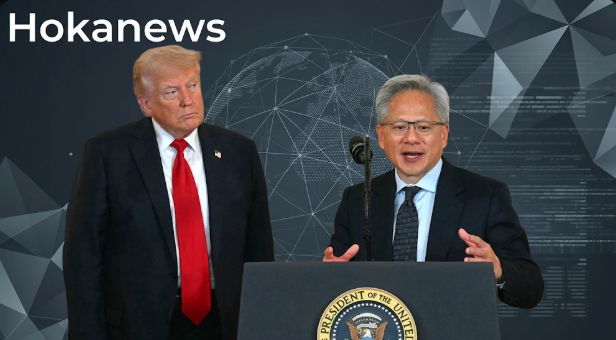
U.S. lawmakers are advancing four bills that would give Congress new authority to block semiconductor sales to China — including transactions already approved by President Donald Trump. The measures have drawn support from both parties and could be attached to a must-pass defense bill, opening a potential route to passage.
The legislative push follows the Nvidia scandal and reflects continued resistance in Washington to allowing advanced chip exports to Chinese companies. The developments land at a moment when advanced semiconductors sit at the center of U.S.–China technology competition, making the division of export-approval power between the White House and Congress a consequential question for both industry and policymakers.
One Bill Would Let Congress Challenge Approved Chip Deals
Under one of the four proposals, lawmakers would be able to block chip sales to China even after the White House has approved them. Congressional approval would effectively become a separate consideration in certain semiconductor export decisions, giving legislators the ability to challenge deals that have already received authorization from the administration. The measure would limit the White House's capacity to finalize such transactions without further scrutiny from Congress. Export licensing has long been an executive-branch responsibility administered through the Commerce Department, which is why a formal congressional check on already-approved deals would mark a notable change in how these decisions are made.
Bipartisan Support Could Provide a Path to Passage
Democrats and Republicans alike back the four measures, according to a report shared by Coin Bureau on X. That bipartisan backing could improve the proposals' odds of moving through Congress, particularly if lawmakers attach them to a defense bill that must pass. President Trump is considered unlikely to veto the defense legislation, making it a potential vehicle for the measures.
However, the report does not spell out the individual provisions of all four bills, nor does it offer a timetable for congressional action. The political debate also remains unsettled. Owen Tedford, an analyst at Beacon Research, told the Financial Times that "Washington is not ready to move on," underscoring the ongoing disagreement over U.S. semiconductor sales to China. For readers following the story, the developments to watch are whether the bills' specific provisions are made public, whether the measures are folded into the defense legislation during drafting, and whether any timetable for congressional action emerges.
Megaspeed and the Nearly $12 Billion in Nvidia Chip Arrangements
Separately, The Wall Street Journal reported that Megaspeed — the former firm of Alice Huang — arranged nearly $12 billion worth of Nvidia chips for companies in China. The reported arrangements have drawn attention from lawmakers seeking an explanation of how Nvidia was permitted to sell chips to Megaspeed.
Members of Congress now want Commerce Secretary Howard Lutnick to explain the circumstances surrounding the approval and how the company was able to obtain the chips. The questions place Nvidia's China-related sales under renewed scrutiny, particularly as Congress weighs legislation that could give lawmakers greater influence over semiconductor export decisions. The reported transactions also raise questions about the oversight applied to chip sales involving intermediaries and companies arranging supplies for Chinese customers — questions that tie directly into the broader legislative debate over who approves and oversees chip exports.
Coin Bureau cited the Financial Times and The Wall Street Journal in reporting both the legislative effort and the Megaspeed arrangements.
Source: Hokanews

