Burnham Targets Fake Discounts and Subscription Traps in Cost-of-Living Crackdown
Key Takeaways
- •The government proposes banning retailers from advertising misleading discounts, including fake price reductions and deceptive recommended retail prices, with projected annual savings of approximately £400 million for British shoppers.
- •New subscription regulations will introduce a 14-day cooling-off period during which consumers can claim refunds for unwanted auto-renewals, with ministers estimating average savings of £14 per month per consumer.
- •The News Media Association expressed disappointment over the accelerated implementation timeline, arguing the government rushed ahead despite assurances of a proper consultation period with affected businesses.
- •Shadow chancellor Mel Stride criticized the package as repackaged policies from former Prime Minister Sir Keir Starmer, accusing Burnham of running out of original ideas.
- •The consumer protection crackdown is part of a broader cost-of-living initiative that includes a £2 bus fare cap in England and the abolition of VAT on household electricity bills.
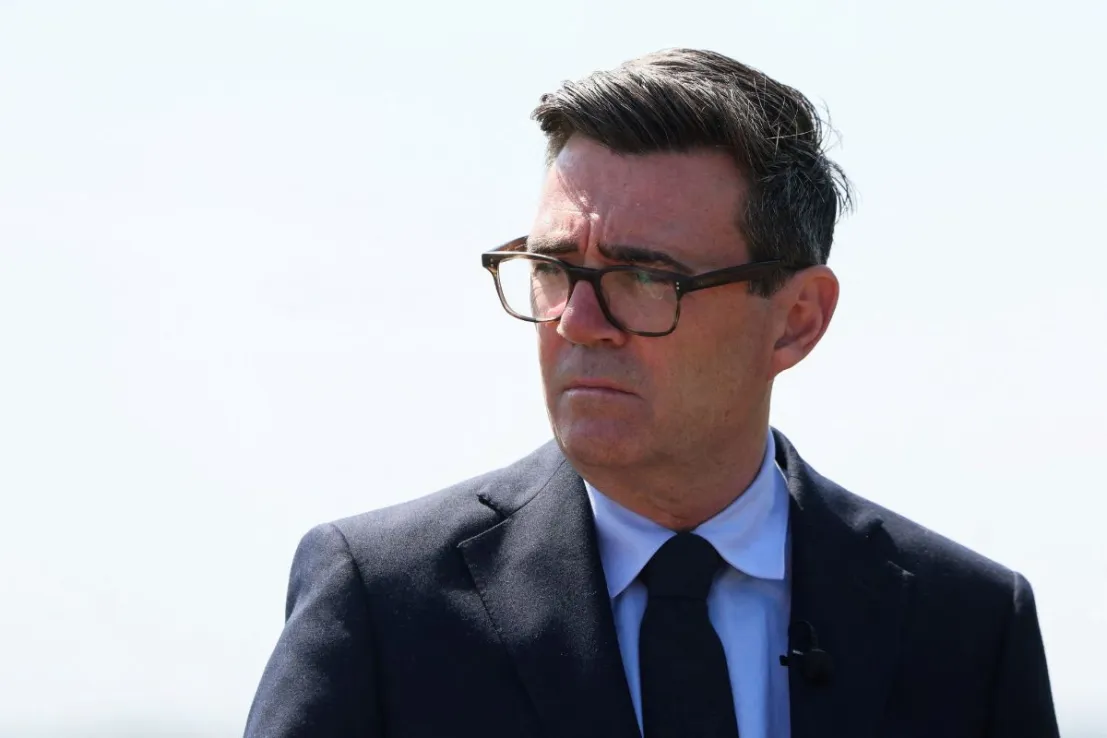
Prime Minister Andy Burnham has pledged to outlaw misleading discounts and accelerate a crackdown on stealth subscriptions, promising to deliver "breathing room" for consumers under sustained pressure from the cost of living.
The Prime Minister has proposed banning businesses from advertising "rip-off" discounts and fast-tracking existing plans to make subscriptions easier to cancel. The announcements come ahead of a UK-wide cost-of-living tour, during which Burnham will unveil a series of "everyday fixes" he says will make Britons feel better off in the short term.
Some businesses that depend on subscription models have pushed back, arguing that the accelerated timeline was introduced without sufficient engagement with affected firms.
Burnham said Westminster "has got used to telling people that everyday hassles" such as phoney discounts and subscription traps "are just a part of life."
"I don't think that's right, especially when the cost of living continues to weigh heavily on so many people's lives," he said.
Under the government's plans, retailers will be prohibited from making misleading claims about the value of discounts, including fake price reductions and deceptive recommended retail prices. The practice — sometimes called "drip pricing" or artificial reference pricing — has long been a focus of consumer groups, who argue that inflated "was" prices trick shoppers into believing they are securing a genuine bargain. The crackdown on "rip-off" discounting is projected to save British shoppers approximately £400m per year.
£1.6bn Spent Annually on 'Subscription Traps'
Burnham said he will speed up existing measures requiring businesses to make subscriptions easier to cancel and to issue more frequent reminders about ongoing payment plans.
Former Prime Minister Sir Keir Starmer had already outlined plans to tackle so-called subscription traps in April. Burnham has now said he will accelerate those policies to give struggling families "room to breathe."
The subscription economy has expanded rapidly across sectors from media and software to gyms and meal kits, but consumer advocates have warned for years that cancellation friction and auto-renewal defaults leave many customers paying for services they no longer use. The measures will introduce a 14-day cooling-off period during which consumers can claim refunds for unwanted auto-renewals or roll-on fees. Ministers said consumers stand to save an average of £14 per month. Britons currently spend approximately £1.6bn per year on unwanted subscriptions, according to the government.
The News Media Association, which represents publishers including The Sun, The Times, and The Guardian, said it was "deeply disappointed" that the government has "rushed ahead" with the crackdown despite providing "repeated assurances about a proper implementation period."
"Ultimately it is consumers who will be short-changed, as the businesses providing services enjoyed and relied upon by millions are left scrambling to adapt to an entirely arbitrary new deadline – diverting valuable resources that would otherwise go into building better products," said News Media Association chief executive Theo Bamber.
Sue Davies, head of consumer rights policy at Which?, welcomed the moves, saying: "It's great news that the government intends to tighten up the law and explicitly ban misleading pricing practices, while putting an end to subscription traps."
"The government must implement these rules swiftly to give consumers much-needed protection against sneaky pricing tactics and hold businesses to account with tough enforcement, including fines, if they fall short," she said.
Burnham has faced criticism from political opponents for relying on policies already proposed by his predecessor rather than introducing new solutions to the cost-of-living crisis. Shadow chancellor Mel Stride accused the Prime Minister of using "reheated" policy ideas and said he "has already run out of ideas."
The crackdown on rip-offs forms part of a broader package of cost-of-living measures, including a £2 bus fare cap in England and the abolition of VAT on household electricity bills.

