Trump Privately Floats Walking Away Without Iran Nuclear Deal, WSJ Reports
Key Takeaways
- •President Trump has privately suggested to senior aides that he is willing to withdraw from the Iran conflict without achieving a nuclear deal.
- •Iran has set extensive conditions for reopening the Strait of Hormuz, including a complete U.S. military withdrawal from the region and billions of dollars in reparations.
- •The Strait of Hormuz transits approximately one-fifth of global daily oil consumption, making its disruption a significant factor in worldwide energy prices.
- •Analysts report that Iranian officials are aware of Trump's desire to end the war and are using that knowledge as strategic leverage in negotiations.
- •Elevated gasoline and food prices driven by the partial closure of the Strait of Hormuz could negatively impact Republican prospects in the upcoming midterm elections.
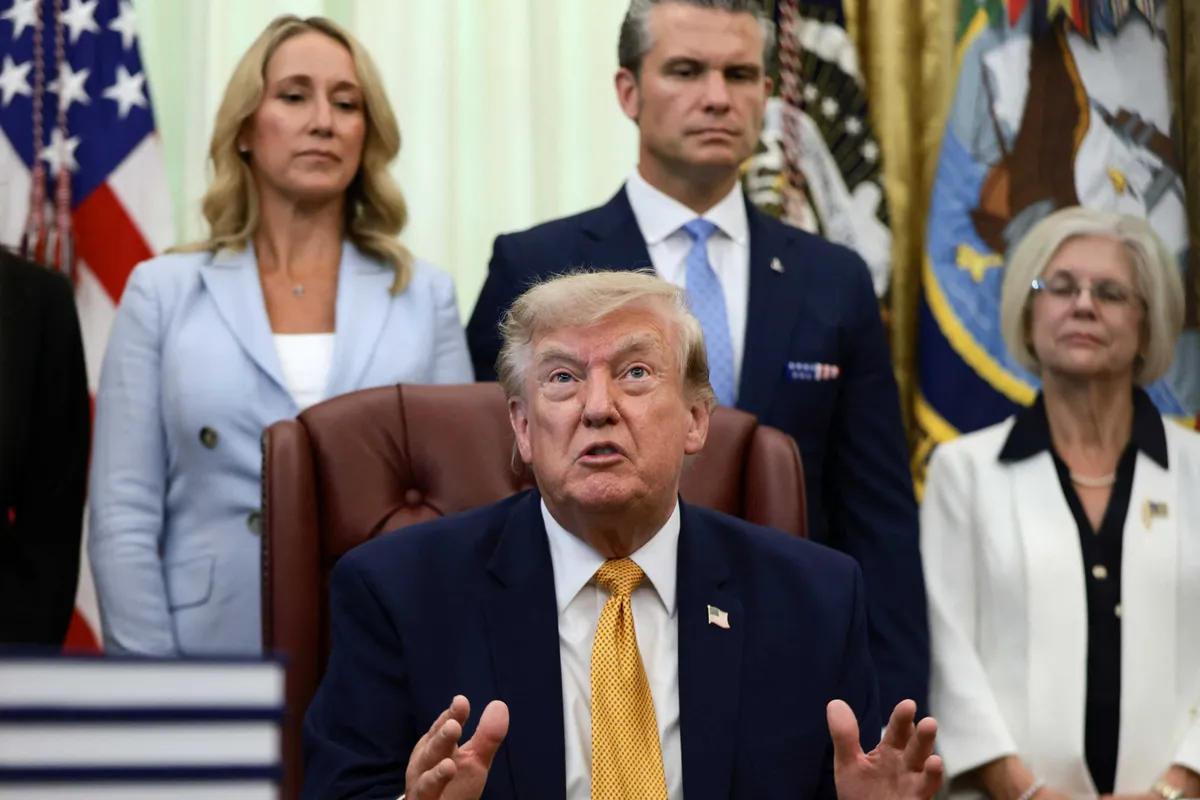
U.S. officials have revealed that President Donald Trump has privately suggested to senior aides that he is willing to exit the war against Iran without securing a nuclear deal, according to a report published Sunday by the Wall Street Journal.
Trump launched military operations against Iran in late February with a stated objective of permanently preventing the country from acquiring a nuclear weapon. During his first term, Trump withdrew the United States from the 2015 Iran nuclear agreement, the Joint Comprehensive Plan of Action (JCPOA), which had lifted sanctions on Tehran in exchange for restrictions on its nuclear program. However, officials told the Journal that the president has been "floating the idea privately to senior aides that he's willing to walk away without a nuclear deal."
Even that potential concession may not be viable. On Saturday, Iran publicly outlined its conditions for reopening the Strait of Hormuz to commercial shipping. The Strait of Hormuz is one of the world's most critical oil transit chokepoints, through which roughly a fifth of global oil consumption passes daily, making its disruption a direct driver of energy prices worldwide. Tehran's demands include a complete withdrawal of all U.S. military forces from the region, an end to the U.S. naval blockade, the lifting of all sanctions, the unfreezing of Iranian assets, and billions of dollars in reparations payments, among other conditions.
Iranian officials are reportedly aware of Trump's eagerness to end the conflict and are leveraging that knowledge strategically, according to Gregory Brew, an analyst at the Eurasia Group.
"The Iranians fully believe Trump wants out and is focused on opening the strait, which is why they are playing hardball," Brew told the Wall Street Journal.
With midterm elections approaching, Iran's position could damage Republican electoral prospects as gasoline and food prices remain elevated due to the partial closure of the Strait of Hormuz.
The Journal reported that "Iran's ability to essentially choke off the waterway through sporadic missile and drone attacks has proven to be powerful leverage for the country, stalling commercial traffic and roiling global oil markets." Separately, the UAE stated that Iran attacked one of its vessels in Hormuz.
The Journal also reported: "Trump has declared repeatedly in recent weeks that the Strait of Hormuz was already fully open, but each of those promises has proven premature. Now, with less than three months until the midterm elections and the price of gasoline still much higher than it was before the war started in late February, Trump has been looking for ways to tell the American public that the war is won." Additional reporting on the Iran-Hormuz talks is available from the Journal.

