DC Circuit Appeals Court Rules Trump Lacks Authority to Build White House Ballroom Without Congressional Approval
Key Takeaways
- •A federal appeals court determined that President Trump must obtain congressional approval before constructing a proposed 90,000-square-foot ballroom at the White House.
- •The court upheld a previous ruling that the president exceeded his authority by directing the demolition of the historic East Wing.
- •The judicial decision is rooted in the Appropriations Clause, which grants Congress authority over federal spending for public building projects.
- •The appeals court delayed the enforcement of its ruling by 14 days to allow the government an opportunity to petition the Supreme Court.
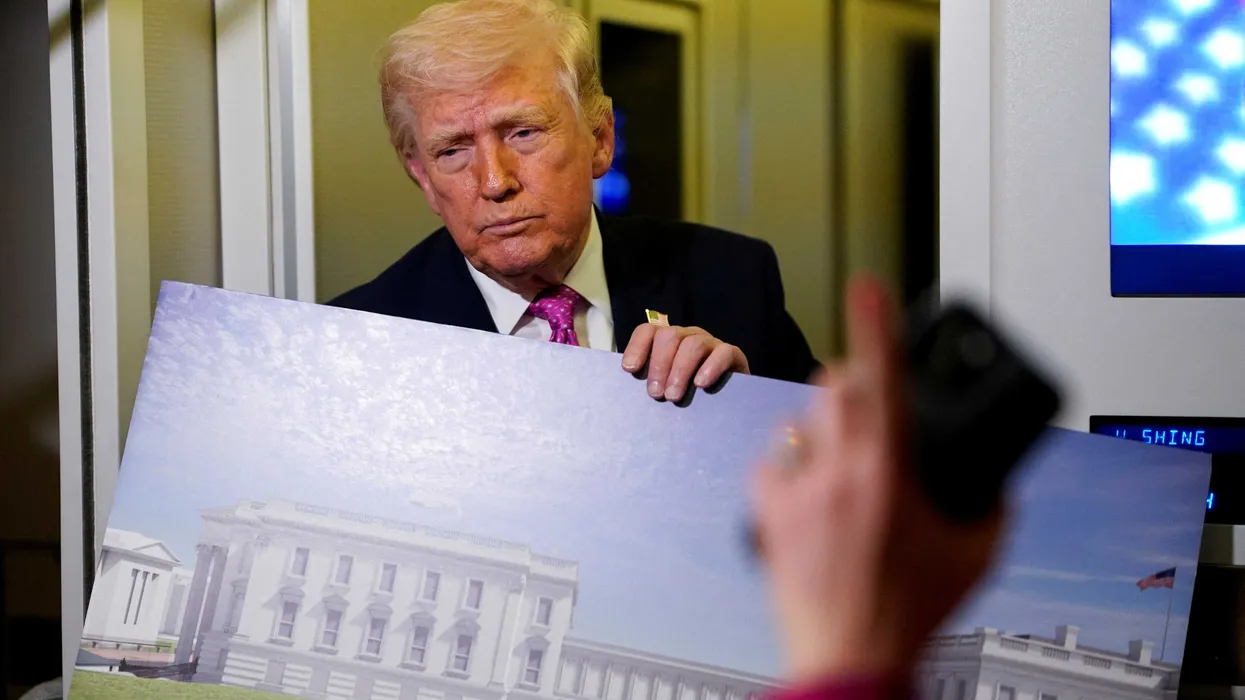
The US Court of Appeals for the DC Circuit ruled Friday morning that President Donald Trump does not have the authority to construct a contested White House ballroom without congressional approval, according to Bloomberg Law.
The appeals court upheld a March ruling by Judge Richard Leon of the US District Court for the District of Columbia, who found that Trump overstepped his authority when he directed the demolition of the White House's historic East Wing to make way for a 90,000-square-foot ballroom. Leon, a George W. Bush appointee, also rejected the Trump administration's claim that a new ballroom is essential for national security, Bloomberg Law reported.
The decision centers on the constitutional separation of powers, specifically Congress's authority under the Appropriations Clause to control federal spending on public building projects. While the White House complex has undergone renovations over the decades—including interior updates and security enhancements—major structural alterations have typically been carried out through congressionally authorized and funded projects rather than unilateral executive action.
Construction had been permitted to proceed while the government's appeal was pending, after the appeals court temporarily lifted Leon's injunction. The latest ruling, however, leaves the ballroom's future uncertain.
In its opinion, the court stated: "This holding has nothing at all to do with whether the proposed ballroom is desirable, or not, as a matter of policy. This ruling does not even necessarily mean that the Defendants may not ultimately construct the ballroom. What it does mean is that the Defendants may not do so during the district court's expeditious litigation without securing Congress's authorization, as the Constitution and laws require."
The appeals court paused the effect of its decision for 14 days to allow the government to petition the Supreme Court for review. Judge Neomi Rao, a Trump appointee, dissented.
The ruling marks a significant setback for Trump, who has frequently posted on social media about the importance of the new ballroom and has faced multiple legal challenges to his broader efforts to alter Washington's historic landmarks and monuments. Earlier coverage of the ballroom dispute is available here and here.
The Trump administration's initiatives to reshape the capital have included changing the color of the Lincoln Memorial Reflecting Pool basin, floating plans for a 250-foot arch on Memorial Circle, and attempting to add Trump's name to The John F. Kennedy Memorial Center for the Performing Arts, among other proposed changes. Alterations to federal monuments and memorials in Washington are generally subject to review under the Commemorative Works Act and the National Historic Preservation Act, both of which involve congressional oversight. Additional reporting on these projects can be found here and here.
