Trump Faces Prolonged Conflict with Iran as No Exit Strategy Emerges
Key Takeaways
- •The US-Iran military conflict originated from coordinated US-Israeli strikes in 2026 and has escalated despite multiple diplomatic attempts at establishing a ceasefire.
- •Successive rounds of negotiations have stalled without agreement on core security terms, leaving no viable exit strategy in place.
- •Market sentiment reflects growing skepticism about a diplomatic breakthrough, with declining confidence that a US-Iran deal will include reconstruction funding in 2026.
- •Qatar and Pakistan are being monitored as potential mediators due to their established diplomatic channels and regional ties with Iran.
- •The Strait of Hormuz, through which approximately one-fifth of global oil consumption transits, remains a critical focal point for risk assessment given Iran's strategic position and history of targeting commercial vessels.
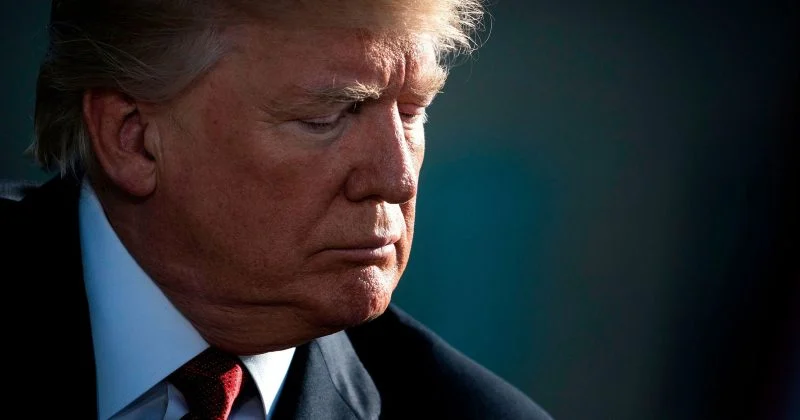
President Donald Trump is reportedly confronting a prolonged military conflict with Iran, with no clear strategy for resolution in sight. The United States has been engaged in ongoing military confrontations with Iran, a situation that originated with coordinated US-Israeli strikes earlier in 2026. Despite multiple attempts at diplomacy, efforts to establish a lasting ceasefire have repeatedly failed, and hostilities continue to escalate across the Gulf region.
The absence of a viable exit strategy points to a challenging path ahead for any potential diplomatic resolution. Efforts to broker peace have not yielded a durable framework, and successive rounds of negotiations have stalled without producing agreement on core security terms. The current impasse echoes the pattern seen in prior US-Iran standoffs, where cycles of escalation and intermittent diplomacy have spanned decades without producing a durable security arrangement.
Market behavior reflects a notable decrease in confidence that a US-Iran deal will include reconstruction funding in 2026, signaling broader skepticism about near-term diplomatic breakthroughs. The continued military engagement and the lack of measurable progress in ceasefire talks appear inconsistent with scenarios in which a comprehensive agreement is reached in the near future. Observations indicate that market pricing is being shaped by heightened geopolitical tensions and the perceived improbability of a swift resolution to the conflict.
Markets are closely monitoring any statements from President Trump and senior Iranian officials that could signal a shift toward de-escalation. Actions by key mediators, including Qatar and Pakistan, are also being watched for indications of potential diplomatic progress. Both countries have historically played intermediary roles in regional conflicts involving Iran — Qatar has maintained open diplomatic channels with Tehran and previously facilitated back-channel communications between Iran and Western governments, while Pakistan shares a direct border with Iran and has longstanding ties rooted in regional and religious affiliations.
The situation remains fluid, and developments such as new military actions or successful negotiation efforts could significantly influence market perceptions of a possible US-Iran agreement in 2026. The Gulf region has experienced periodic flare-ups involving commercial shipping and energy infrastructure, contributing to volatility in global energy markets. The Strait of Hormuz, through which roughly one-fifth of global oil consumption transits, remains a focal point for risk assessment given Iran's strategic position along the waterway and its history of targeting commercial vessels during periods of heightened tension.
