Iran Considers Using Pakistani Ports to Sustain Trade Amid U.S. Maritime Blockade
Key Takeaways
- •Iran is considering rerouting commercial cargo through two ports in Pakistan to circumvent U.S. blockade restrictions on its primary maritime hubs, Bandar Abbas and Bandar Imam Khomeini.
- •Pakistan's Gwadar port, developed with Chinese investment under the China-Pakistan Economic Corridor, is geographically positioned near Iranian maritime traffic and connects overland via the Taftan border crossing in Balochistan.
- •Facilitating Iranian trade would expose Pakistan to the risk of secondary U.S. sanctions, a factor the country must evaluate before formalizing any port usage agreement.
- •Prediction market participants slightly lowered the perceived likelihood that the U.S. blockade will end in the near term, citing Iran's demonstrated ability to adapt logistically.
- •Market expectations for shipping traffic normalization through the Strait of Hormuz by July 31 remained unchanged, as the Pakistani port arrangement addresses future trade routing rather than immediate conditions.
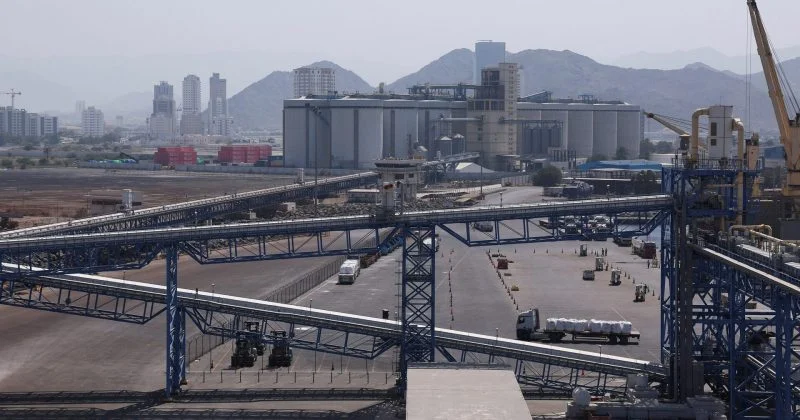
A senior Iranian official disclosed on Tuesday that Iran is exploring the use of two ports in Pakistan to maintain trade flows in the face of a U.S. blockade that has restricted access to its own maritime facilities.
The proposed arrangement would position Pakistan as a key transit state, enabling Iran to reroute commercial cargo through Pakistani port infrastructure. According to the official, the initiative is a logistical adaptation aimed at circumventing the ongoing restrictions on Iranian ports, rather than any form of military escalation.
Iran's principal maritime hubs include Bandar Abbas and Bandar Imam Khomeini, both located along the Persian Gulf and Strait of Hormuz coastline. Disruption to these facilities directly affects Tehran's ability to move goods in and out of the country, particularly given that Iran remains subject to extensive U.S. sanctions targeting its oil exports, banking sector, and shipping networks. Any third-party state facilitating Iranian trade could face exposure to secondary sanctions, a risk Pakistan would need to weigh in formalizing such an arrangement.
The U.S. blockade has significantly constrained Iran's maritime access, prompting Tehran to identify alternative trade corridors. The potential reliance on Pakistani ports underscores the broader regional dynamics involving Iran, Pakistan, and the United States, as all three parties navigate the evolving geopolitical landscape.
Pakistan shares a long land border with Iran and operates several deep-water ports along its Arabian Sea coastline, including the port of Gwadar, which has been developed with Chinese investment under the China-Pakistan Economic Corridor framework. Gwadar's location near the entrance to the Persian Gulf places it in proximity to Iranian maritime traffic, while the overland route connecting Pakistani ports to Iran runs through the existing Taftan border crossing in Balochistan province.
Market and Prediction Market Signals
Prediction market participants indicated that Iran's exploration of Pakistani port access is consistent with a potential shift in regional trade dynamics, one that could contribute to the normalization of shipping traffic through the Strait of Hormuz.
Market pricing reflected a minor decrease in the perceived likelihood that the U.S. blockade will end in the near term, as Iran's adaptation signals a capacity to sustain trade under current conditions.
The development did not appear to alter expectations for traffic normalization in the Strait of Hormuz by July 31, given that the Pakistani port arrangement pertains to future trade routing rather than immediate changes to existing conditions.
Developments to Monitor
Observers are tracking several factors: the potential for a formal agreement between Iran and Pakistan on port usage; any official announcements from Washington or Tehran that could affect the blockade or established trade routes; and any confirmed changes to the status of the Strait of Hormuz or the U.S. blockade that might prompt shifts in market pricing.
The coming weeks are expected to provide clearer indicators of the geopolitical and economic consequences of these developments.

