Passengers to pay Heathrow third runway bid costs, regulator says
Key Takeaways
- •Heathrow Airport Limited can recover the £320m it has spent on its third-runway bid through passenger charges.
- •Rival bidder Heathrow West has been allowed to recover £4.2m in proposal costs.
- •The Civil Aviation Authority said the costs must be independently scrutinised and judged efficient before they can be passed on.
- •The airport charge per passenger is expected to rise by about 15p in 2028 and 30p in later years.
- •Heathrow’s current charging fees are already the highest in the world, at £28.80, and could rise further if third-runway costs are fully included.
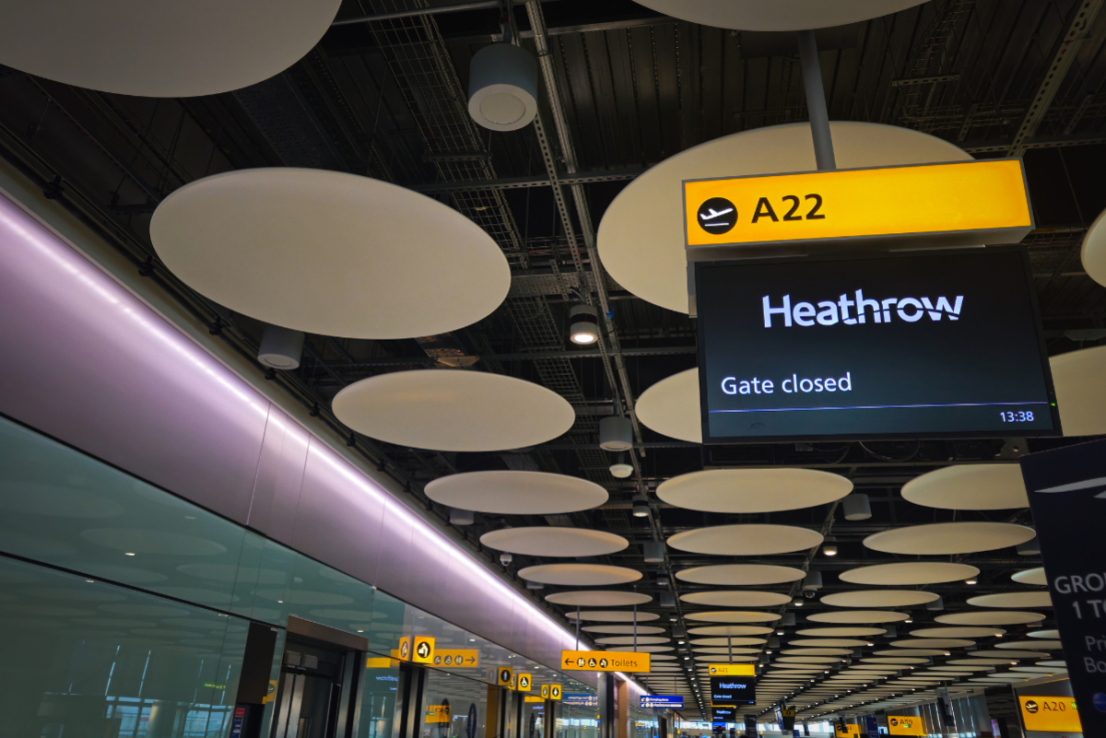
Heathrow will be allowed to pass the large bill it has accumulated preparing its third runway bid on to passengers, the aviation watchdog has said, in a ruling that is expected to reinforce the airport’s position as one of the most expensive in the world.
The Civil Aviation Authority said Heathrow Airport Limited (HAL) will be allowed to recover the £320m it has already spent seeking the contract for the megaproject by increasing the fees added to travellers’ air fares. Rival bidder Heathrow West was also given permission to recover the £4.2m it has spent on its proposal so far.
The two operators have been competing to persuade ministers to back their plans for a third runway, producing extensive planning documents and feasibility studies while also hiring expensive third-party advisers to develop their bids.
For incumbent HAL, the investment has already run into the hundreds of millions, the CAA said, with the airport previously arguing that it needs to recover its early costs if the expansion is to remain financially attractive.
Heathrow already the world’s most expensive airport before third runway
In its ruling, the aviation regulator said that without the design and planning work both bidders have carried out to develop credible expansion proposals, the timely delivery of the third runway expansion would have been put at risk. It added that both parties would need to show that their claims had been independently scrutinised line by line before they could pass on the costs.
“Our decision strikes a balance between supporting the delivery of benefits to consumers through timely progress on Heathrow expansion, whilst also protecting them from undue increases in costs,” said Tim Johnson, the UK Civil Aviation Authority’s director of consumers and markets.
“The costs Heathrow can recover are capped, independently scrutinised and subject to efficiency reviews, helping ensure that passengers only pay for efficient costs that are justified.”
Under the compensation scheme, which was decided after a consultation last year, HAL will be allowed to add 10p to every passenger fare for the next 20 to 25 years. It will also be responsible for collecting Heathrow West’s smaller costs if the rival bid led by hotel magnate Surinder Arora is unsuccessful.
The CAA made its decision alongside a root-and-branch review of Heathrow’s wider regulatory model, under which it will decide whether rival operators should be allowed to own and operate major infrastructure within the airport. Airlines that use the hub have become increasingly unhappy about the high charges they must pass on to customers, and, together with Arora, some have formed a pressure group campaigning to overhaul the airport’s red tape.
At £28.80, Heathrow’s charging fees are already the highest in the world, and they are expected to rise by as much as £50 once the full costs of the third runway are included. That makes the regulator’s cost-recovery decision significant for airlines and passengers well before any runway is built, because the charges are set to be spread over many years rather than concentrated upfront.
The CAA’s ruling on Wednesday will increase the airport charge per passenger by around 15p in 2028, rising to 30p in subsequent years. The bidders’ early costs are expected to come off tickets in roughly 20 to 25 years.
A Heathrow spokeswoman said: “We have been clear from the start that unlocking the private investment that will deliver these benefits requires a supportive regulatory framework. We are carefully considering the CAA proposals and will make investment decisions accordingly.”

