Backlash Grows Over Trump-Appointed Judge’s Order to Withhold Secret DOJ Files
Key Takeaways
- •Judge Aileen Cannon previously denied intervention requests from American Oversight and the Knight First Amendment Institute before later saying current or former parties may seek leave to intervene.
- •The groups are asking a federal appeals court to help unseal the second volume of Jack Smith’s final report on his investigations into Donald Trump.
- •American Oversight argues that FOIA gives it a federal right to seek non-exempt public records from the government.
- •Trump has publicly praised Cannon for helping keep Smith’s report from becoming public.
- •The Trump Justice Department has separately accused a former U.S. attorney of improperly emailing DOJ report documents to a personal account.
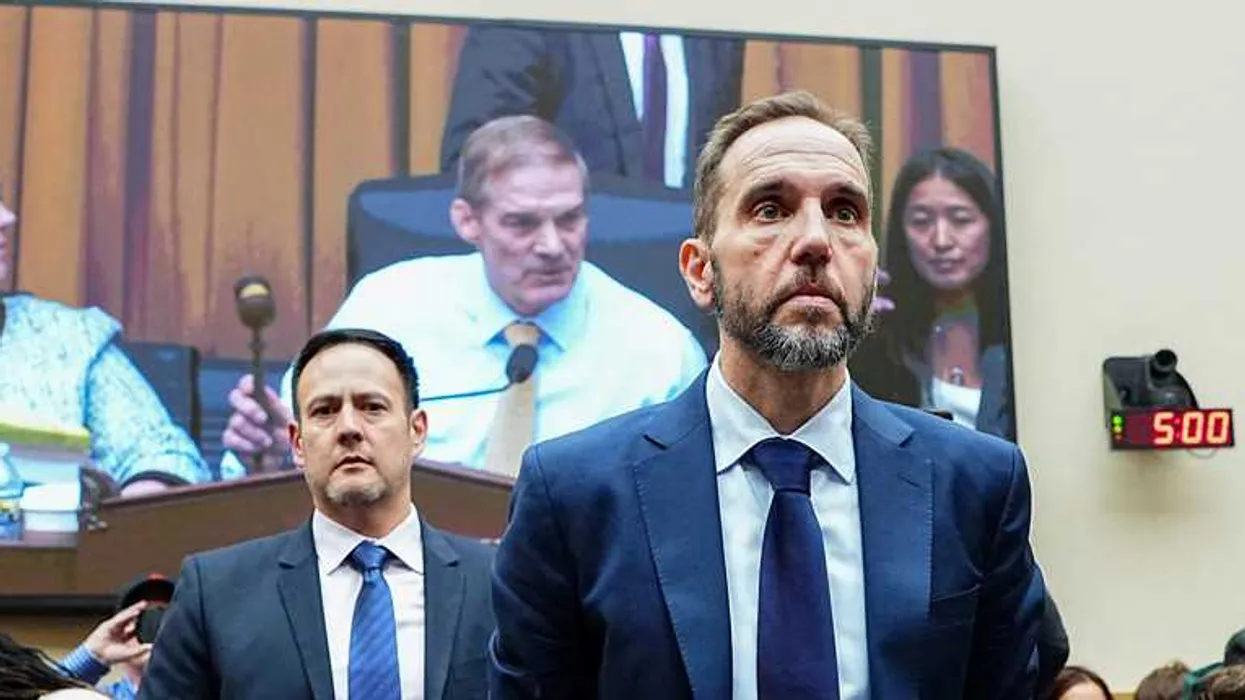
A jurist appointed by President Donald Trump to protect him, Florida Judge Aileen Cannon, has been described as a “partisan hack” and criticized by House Democrats. She is now facing renewed pressure over calls to release a report by former special counsel Jack Smith that she has worked to keep out of public view.
“A public advocacy group is urging a federal court of appeals to use any means available and necessary to unseal the second volume of former special counsel Jack Smith's final report on his criminal investigations into President Donald Trump,” Law and Crime’s Colin Kalmbacher wrote Tuesday. “Late last year, U.S. District Judge Aileen Cannon, who was appointed by Trump during his first term, issued two orders related to the long-running dispute over the second volume.”
Kalmbacher added, “In the first order, Cannon denied efforts to intervene by the Knight First Amendment Institute and transparency-focused nonprofit American Oversight. In her second order, Cannon acknowledged ‘any former or current party’ may move ‘for leave to intervene.’”
Trump has previously praised Cannon for doing everything in her power to keep Smith’s report from coming to light. American Oversight and the Knight First Amendment Institute, however, argue that the public has a right to know what the report contains. They say the Freedom of Information Act supports their position and requires disclosure of the report’s contents, framing the dispute as one over access to government records rather than the merits of the criminal cases themselves.
“Appellees urge this Court to bar American Oversight's intervention in the district court based on a fundamental misunderstanding of American Oversight's interest as a prospective intervenor,” their brief argued. “Because it had no other recourse to vindicate its rights under FOIA, Appellant sought intervention in the below proceedings—which were governed by federal criminal statutes.”
The brief continued: “American Oversight's statutory rights do not govern the underlying criminal proceedings, nor has it asserted any interest related to ‘the prosecution or nonprosecution’ of the former defendants. American Oversight's interest is more akin to that of media organizations that seek and are granted intervention in criminal cases for access to judicial records… FOIA does not govern the underlying criminal proceedings but provides American Oversight with a federal right, implicated by the district court's order barring the release of Volume II, to seek non-exempt public records from the federal government.”
The Trump administration has also taken a strong interest in keeping Smith’s report sealed. In May, it targeted Carmen Mercedes Lineberger, the former managing assistant U.S. attorney in the Southern District, over allegations that she tried to email the documents to her personal account.
“The defendant concealed her actions by saving electronic copies of the government records in question under the misleading files names ‘chocolate cake recipe’ and ‘bundt cake recipe’ before electronically transmitting those records to her personal email accounts,” Trump’s Justice Department alleged in May. “As to the DOJ report, the indictment further alleges the defendant acted knowing that her transmission of the record outside DOJ directly violated the court order and impaired the proper administration of the underlying criminal prosecution.”

