'Businesses Are Not Cash Machines': Badenoch Urges Burnham to Rule Out Further Tax Rises
Key Takeaways
- •Kemi Badenoch called on Prime Minister Andy Burnham to rule out additional tax increases, warning his early policy pledges would further burden businesses and families.
- •Approximately £65bn in extra annual revenue was already raised largely through October 2024 Budget measures, including employer National Insurance contribution increases that drew criticism from groups such as the CBI and Federation of Small Businesses.
- •A Labour spokesperson defended Burnham's initial policies—including capping bus fares, removing VAT from energy bills, and offsetting pub business rate cuts with higher rates on vape shops—describing them as just the start.
- •YouGov survey results placed Burnham's net approval rating at plus three, compared to Badenoch's minus eleven, with Burnham's standing exceeding both Keir Starmer's and Boris Johnson's initial post-election ratings.
- •Burnham has pledged to end political point-scoring and work collaboratively with opposition parties, though upcoming legislative battles over the Budget will test that commitment.
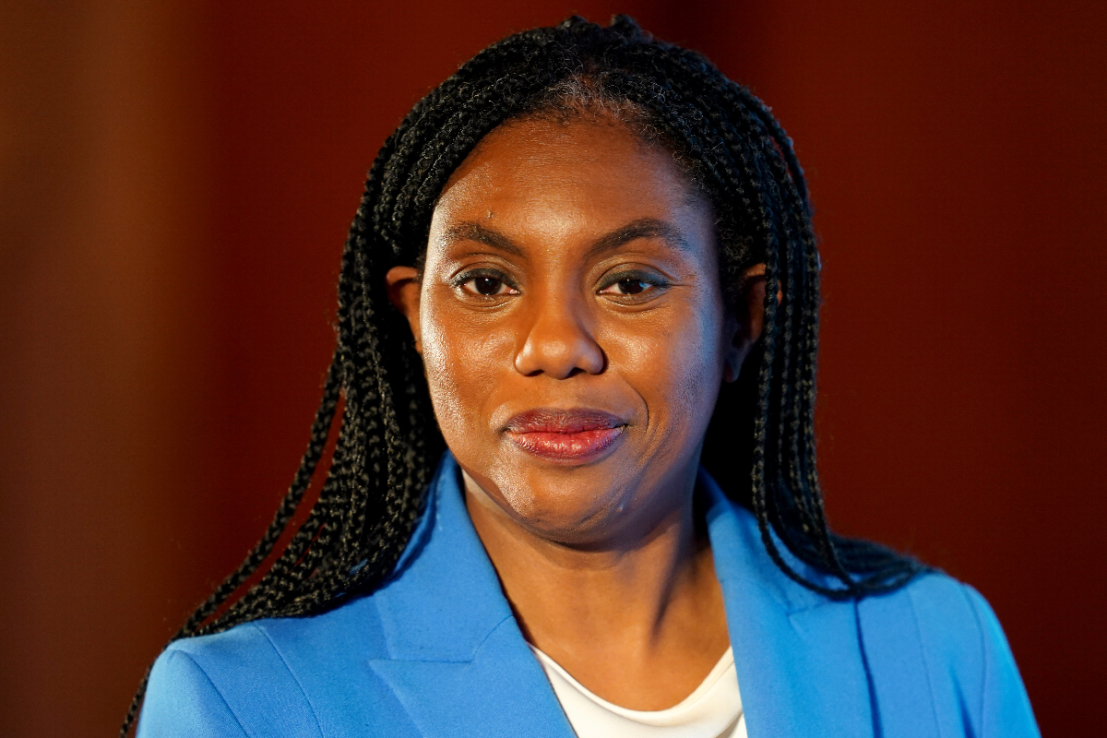
Conservative leader Kemi Badenoch has called on Prime Minister Andy Burnham to rule out additional tax increases, warning that the new government's early policy pledges risk placing further burdens on businesses and families.
Delivering a speech overlooking the City of London, Badenoch said Burnham appeared "like a nice guy" with a "sense of humour," but she sharply criticised the Prime Minister's initial flurry of policy announcements, which she characterised as a series of small, unfunded commitments.
Badenoch argued that Burnham should not fund his new pledges through further levies on the wealthy, noting that Rachel Reeves had already raised approximately £65bn in extra annual revenue — a figure anchored largely in the October 2024 Budget's increases to employer National Insurance contributions and other measures that have drawn sustained criticism from business groups including the Confederation of British Industry and the Federation of Small Businesses. She urged the Prime Minister to "rule out tax rises to pay for his spending spree."
"If Andy Burnham raises taxes again, he will pretend he is punishing 'the rich.' The truth is he will punish the engineer whose factory is not built, the apprentice whose job never exists, the family whose bills rise again," she said.
"This is what Labour never understands. Businesses are not cash machines for politicians."
Badenoch also addressed the cost-of-living pressures driving up everyday expenses. "Bus fares are expensive because fuel is expensive. Energy is expensive. Employment is expensive. Regulation is expensive. Government has made nearly everything more costly, and Andy Burnham's answer is to cap one price and send the bill somewhere else," she said.
"But somewhere else is always someone else. A taxpayer. A business. A family. Someone will pay. And they will pay in higher taxes."
A Labour Party spokesperson pushed back against Badenoch's remarks, arguing that "Tory politics" had "let people down for years is a recipe for disaster and will only hold Britain back." The spokesperson characterised Burnham's early policy moves — including capping bus fares, removing VAT from energy bills, and offsetting lower business rates for pubs by raising rates on vape shops — as "just the start."
A New Dynamic in Westminster
Burnham's arrival as Prime Minister has reshaped the parliamentary landscape, forcing Badenoch to recalibrate her opposition strategy. The new government has signalled a departure from the approach taken under Sir Keir Starmer's premiership, while taxation and immigration remain flashpoints dividing the two main Westminster parties.
Burnham's pledge to end "point-scoring" and work collaboratively with opposition parties could introduce a fresh dynamic to cross-party relations. The coming months will test whether that commitment survives the first major legislative battles over the Budget and any further revenue-raising measures.
Badenoch also faces a challenge on the polling front. New YouGov survey results put Burnham's net approval rating at three points, compared to Badenoch's minus eleven. Burnham's standing is six points higher than Starmer's initial post-election rating in 2024 and significantly above Boris Johnson, who began his tenure at minus eighteen.

