Uganda Relocates Endangered Nubian Giraffes Amid Oil Drilling in Murchison Falls National Park
Key Takeaways
- •Uganda is translocating 12 endangered Nubian giraffes from Murchison Falls National Park to Ajai Wildlife Reserve to protect them from habitat loss caused by expanding oil drilling operations.
- •Approximately 40 percent of Uganda's oil deposits are located within the Murchison Falls area and inside the national park.
- •The Tilenga oil drilling project, operated by TotalEnergies with CNOOC as a partner, began operations inside the park in June 2023 and is tied to the planned East African Crude Oil Pipeline to Tanzania.
- •Ajai Wildlife Reserve is undergoing ecological restoration after its wildlife populations were wiped out by poaching and insecurity in the early 1980s.
- •The translocation forms part of Uganda's strategy to diversify tourism revenue streams and involve local communities in conservation efforts.
- •Local communities around Ajai Wildlife Reserve receive a share of tourism revenues and have been educated about the importance of protecting the reintroduced animals.
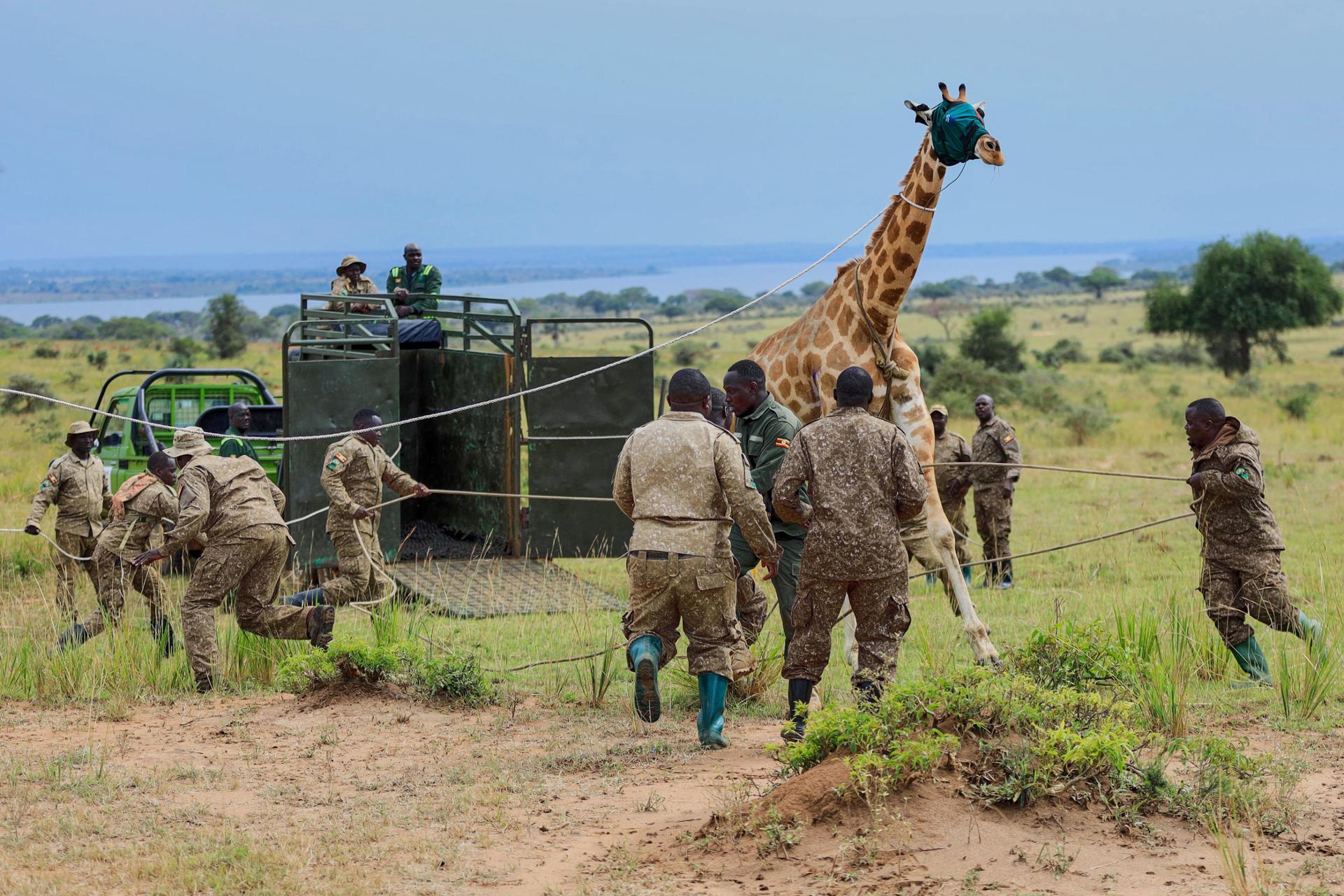
MURCHISON FALLS NATIONAL PARK, Uganda — Rangers at Uganda's Murchison Falls National Park have begun translocating 12 endangered Nubian giraffes to a new sanctuary 106 kilometers away, as expanding oil drilling operations threaten the animals' habitat in the country's largest protected area.
The giraffes, members of Earth's tallest land mammal species, are being moved to Ajai Wildlife Reserve near Arua in northwestern Uganda. The operation began Tuesday and is expected to take several days, with the goal of preserving the species' population, enhancing biodiversity, and diversifying tourism opportunities.
An estimated 40 percent of Uganda's oil deposits lie within the Murchison Falls area and inside the park. In recent months, oil drilling activity has intensified, including the movement of heavy machinery through the national park, despite years of opposition from environmentalists.
Uganda is pushing to produce its first oil from the area. In June 2023, TotalEnergies officially began drilling for oil in the Tilenga project area within the park. The Tilenga project, operated by TotalEnergies with China National Offshore Oil Corporation (CNOOC) as a partner, is tied to the planned East African Crude Oil Pipeline (EACOP), which is designed to transport crude from Uganda to Tanzania's Indian Ocean coast at Tanga. Environmental and human rights groups have mounted international campaigns and legal challenges against both projects, citing risks to protected ecosystems and local communities.
Patrick Atimnedi, the Uganda Wildlife Authority's assistant commissioner for veterinary services, who led Tuesday's translocation, said establishing new animal populations in other protected areas will reduce pressure on the current habitat if drilling causes significant damage.
Uganda wants to expand the range of the critically endangered giraffes due to oil and gas activities, tourism development, climate change, bush encroachment, and invasive species, he said.
"This is shrinking the habitat of wildlife here, but especially giraffes," Atimnedi said of the animals, which can grow up to 6 meters tall and weigh up to 2,000 kilograms. "So having a seed population somewhere about 100 kilometers away from here within the same conservation area, the same zone, is the right conservation decision to make."
After a final briefing from Atimnedi, officials directed three giraffes into waiting trucks fitted with tree branches for the animals to chew during the journey.
At Ajai Wildlife Reserve, a dozen rangers awaited their arrival. The animals quickly stepped off the trucks into their new 166-square-kilometer home. The reserve once hosted diverse wildlife but its populations were wiped out in the early 1980s due to rampant poaching and prolonged insecurity in the country.
The introduction of the Nubian giraffes is part of an ongoing ecological restoration effort. In addition to the giraffes, other species including southern white rhinos, buffalo, zebras, and hundreds of Uganda kobs are being reintroduced to the reserve.
"The animals are now doing very well and are multiplying. Many are now pregnant. They are spreading all over the reserve, both inside the electric fence and outside the electric fence," said Wilson Katamigwa, the senior warden in charge of Ajai Wildlife Reserve.
Wildlife authorities are optimistic that Ajai, established in 1937, will serve as a new home for efforts to increase Uganda's wild animal population despite pressures from human activity and nature. The effort comes as Uganda looks to tourism, which ranks among the country's top sources of foreign exchange, to spread economic benefits beyond traditional safari destinations.
Part of the reserve is being fenced, and the number of rangers has been increased to protect the animals from poachers. Area communities, which receive a share of tourism revenues, have been educated about the importance of conservation.
"They are ready to conserve with us, and we are having a good working relationship with the district leadership," Katamigwa said.
When the translocation is complete, community members will be invited to the reserve to see the animals, which have been absent from the area for decades, he said.
"The big dream is that we want to see the economy of this place growing bigger and bigger and for the Madi Okollo district to be included in the money economy using tourism," Katamigwa said.
As the giraffes walked off the trucks, local resident Moses Ayoti expressed enthusiasm about having the animals near his home and the benefits they will bring.
"The community is aware, the vigilance is high, and I am sure they are going to take care of the animals because they belong to the local community, too," Ayoti said.

