El Salvador’s Bitcoin Strategy Faces 2027 Election Scrutiny as BTC Purchases Continue
Key Takeaways
- •El Salvador’s Bitcoin holdings rose to about 7,725.37 BTC as of July 27, compared with roughly 7,700 BTC a month earlier.
- •ARENA candidate Maytee Iraheta and FMLN candidate Rafael Aguirre have publicly criticized President Nayib Bukele’s Bitcoin policy.
- •After a $1.4 billion IMF loan agreement in February 2025, El Salvador removed the requirement for businesses to accept Bitcoin.
- •The IMF has warned about fiscal and governance risks tied to the Bitcoin strategy, while also noting recent progress in program reviews.
- •Bitcoin was trading below its 200-day exponential moving average in late July, with $60,730 identified as a key support level.
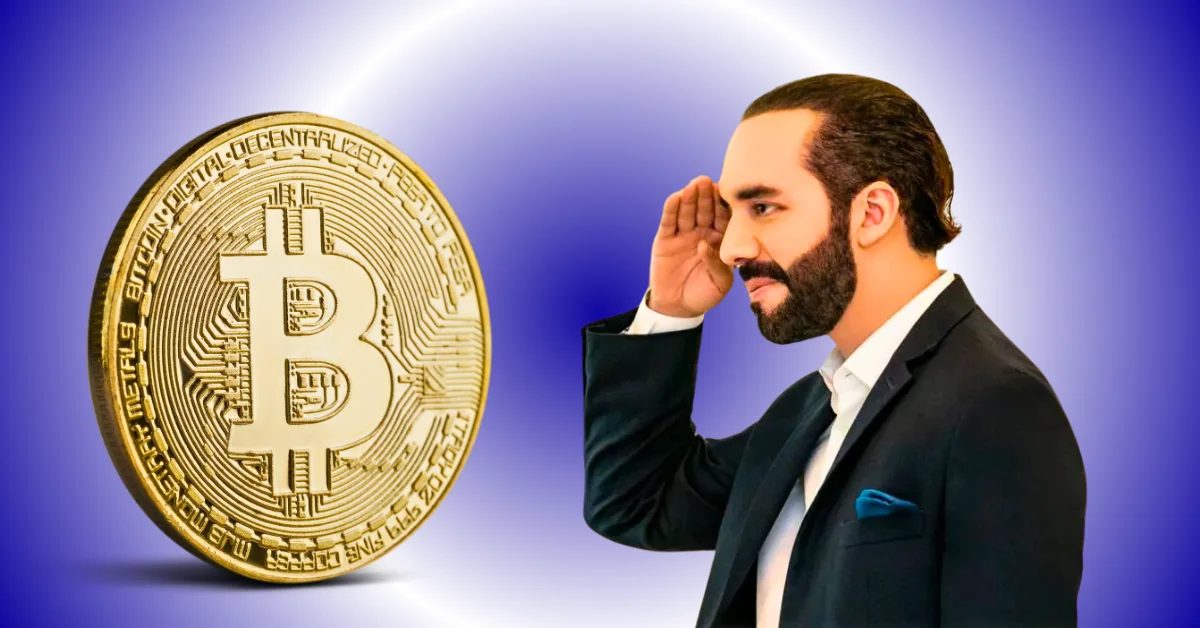
El Salvador’s Bitcoin policy is becoming a more visible issue ahead of the country’s February 2027 presidential election, as the government continues to add to its national Bitcoin holdings while opposition candidates criticize President Nayib Bukele’s approach.
Official figures from El Salvador’s Bitcoin Office show the country’s holdings have risen to about 7,725.37 BTC as of July 27, compared with roughly 7,700 BTC a month earlier. The increase indicates that the National Bitcoin Office has continued buying approximately one BTC per day, even after changes to the country’s Bitcoin regulations.
Opposition Candidates Put Bitcoin Policy in Focus
The 2027 election campaign is beginning to bring El Salvador’s Bitcoin strategy back into the political spotlight. The Nationalist Republican Alliance, known as ARENA, selected former lawmaker Maytee Iraheta as its presidential candidate. The Farabundo Marti National Liberation Front, or FMLN, nominated physician and union leader Rafael Aguirre.
Both candidates have publicly criticized Bukele’s Bitcoin strategy, characterizing it as a fiscal failure rather than an economic success. They are set to challenge an incumbent president who has remained broadly popular after six years in office.
The campaign debate is likely to focus on two distinct parts of the policy: Bitcoin’s role in everyday commerce and the state’s continued accumulation of BTC as a national holding. That distinction has become more important since El Salvador reduced the legal-tender mandate while keeping the government purchase program in place.
Bitcoin Rules Changed After IMF Loan Agreement
El Salvador became known internationally as the first country to adopt Bitcoin as legal tender, but its policy framework has already changed. After a $1.4 billion loan agreement with the International Monetary Fund in February 2025, the government removed the legal obligation for businesses to accept Bitcoin. That shift effectively restored the U.S. dollar as the country’s only mandatory currency for everyday transactions.
The change did not end government Bitcoin purchases. The National Bitcoin Office continued its accumulation program, while the government also increased its gold reserves in January.
The IMF has continued to warn about fiscal and governance risks linked to El Salvador’s Bitcoin strategy. It has also said the policy has not significantly improved financial inclusion for citizens without bank accounts. Those concerns place the Bitcoin program within a broader discussion about public finances, reserve management, and transparency as the country moves through IMF program reviews.
More recently, government relations with the IMF appeared constructive. The IMF’s First Deputy Managing Director publicly praised El Salvador’s economic achievements and said both sides were making solid progress on upcoming IMF program reviews.
Markets Track Political and Technical Signals
El Salvador’s continued Bitcoin accumulation has made the country’s election cycle relevant to crypto market observers. Bukele has consistently supported the government’s Bitcoin purchases, while the opposition candidates have criticized the policy. A change in political leadership could therefore alter the public narrative around the country’s Bitcoin program.
At the same time, Bitcoin is trading below its 200-day exponential moving average during the final week of July. The article identified $60,730 as an important support level, with $73,696 cited as an upside technical level for August if that support holds. It also cited $48,798 as a lower level that could come into focus if support is lost.
With daily BTC purchases continuing, IMF reviews still in view, and the 2027 presidential race taking shape, El Salvador’s Bitcoin strategy remains both a political issue and a closely watched market-related storyline.

