Bitcoin Falls to $63,600 as $58 Million in Leveraged Longs Are Liquidated
Key Takeaways
- •Bitcoin declined to $63,600 as selling pressure intensified.
- •About $58 million in leveraged long positions were liquidated within a single hour.
- •Forced liquidations can add selling pressure when crowded leveraged positions are closed automatically during a decline.
- •Traders are monitoring spot prices, derivatives activity, liquidity, funding conditions, and possible further liquidation clusters.
- •Longer-term Bitcoin supply-exposure and address-reuse issues were not implicated in the one-hour liquidation move.
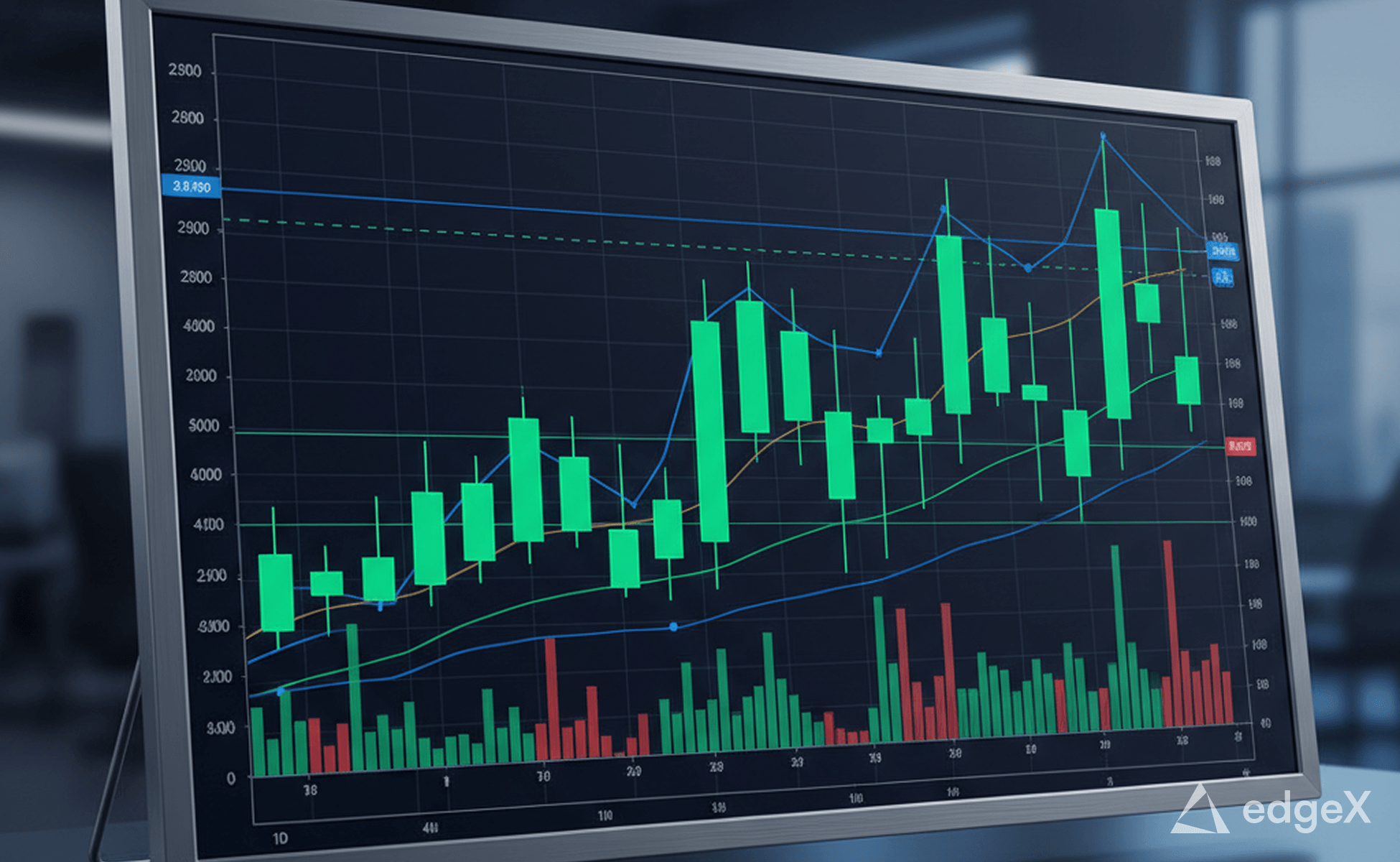
Bitcoin dropped to $63,600 after roughly $58 million in leveraged long positions were liquidated within a single hour, a rapid wave of forced selling that highlighted how quickly leverage can work against traders during a sharp market decline.
Bitcoin Slides to $63,600 as Long Liquidations Build
The move pushed Bitcoin down to the $63,600 level as selling pressure intensified, with the heaviest impact falling on traders who had used borrowed funds to maintain long positions.
The decline coincided with about $58 million in leveraged long liquidations compressed into a one-hour period. The liquidations came as a concentrated burst rather than a slow, extended move lower, making the derivatives market a key part of the immediate price action.
What to Know
- Price: Bitcoin fell to $63,600.
- Liquidations: About $58 million in leveraged long positions were wiped out in one hour.
How Leveraged Long Liquidations Can Intensify a Decline
A leveraged long is a position taken on the expectation that a price will rise, funded in part with borrowed money. If the price falls far enough, the exchange can automatically close the position to cover the loan. That forced closure is known as a liquidation.
Because these exits are involuntary and often occur in clusters, they can add new selling pressure to a market that is already moving lower. In fast-moving conditions, that dynamic can deepen short-term volatility. Bitcoin’s one-hour liquidation flush was a compact example of how leverage can accelerate a decline, particularly when crowded positions are forced out over a short window rather than unwound gradually.
Sharp, leverage-driven drawdowns are not limited to Bitcoin. The STORJ token recently fell 20% following a Chapter 11 bankruptcy filing, another example of concentrated selling pressure moving a token’s price quickly.
Traders Track Volatility After the One-Hour Flush
With Bitcoin trading at $63,600 after the decline, near-term attention turns to whether volatility remains elevated after the wave of forced selling clears. Broader spot pricing across major venues, including data tracked on the CoinGecko Bitcoin market page, remains a common reference point for comparing cash-market moves with derivatives activity.
That comparison matters because liquidation totals reflect activity in leveraged derivatives, while spot markets show where Bitcoin is changing hands without the same forced-close mechanics. When the two move sharply at the same time, traders often monitor order-book liquidity, funding conditions, and whether additional liquidation clusters appear.
A concentrated liquidation event can reset short-term positioning by removing over-leveraged longs from the market. That may leave fewer exposed positions on that side, while traders still monitor whether selling pressure continues.
Longer-term structural issues, including address-reuse and supply-exposure questions discussed in Glassnode’s analysis of Bitcoin supply exposure, are separate from this hour-scale liquidation move and were not implicated by it.
Market participants are also watching whether reflexive selling spreads to other assets. Single-token stress has appeared repeatedly during this cycle, from bankruptcy-driven declines to adoption-related developments such as Samsung adding stablecoins to its wallet app.
Disclaimer: This article is for informational purposes only and does not constitute financial or investment advice. Cryptocurrency and digital asset markets carry significant risk. Always do your own research before making decisions.

