The debate: should voting be compulsory?
Key Takeaways
- •Turnout in the 2024 UK general election was about 60% of registered voters, with especially large gaps between age groups and education levels.
- •Supporters of compulsory voting argue it would broaden participation and could be enforced with a small fine, while still allowing ballots to include a none-of-the-above option.
- •Opponents argue the state should not compel voting because the public benefit is too small and many non-voters say they lack sufficient political knowledge.
- •The article says compulsory voting is being discussed in Labour circles, alongside broader concerns about electoral reform as the party system becomes more fragmented.
- •The verdict rejects compulsory voting but says some voting reform may become necessary if Britain continues moving toward a five-, six- or seven-party system.
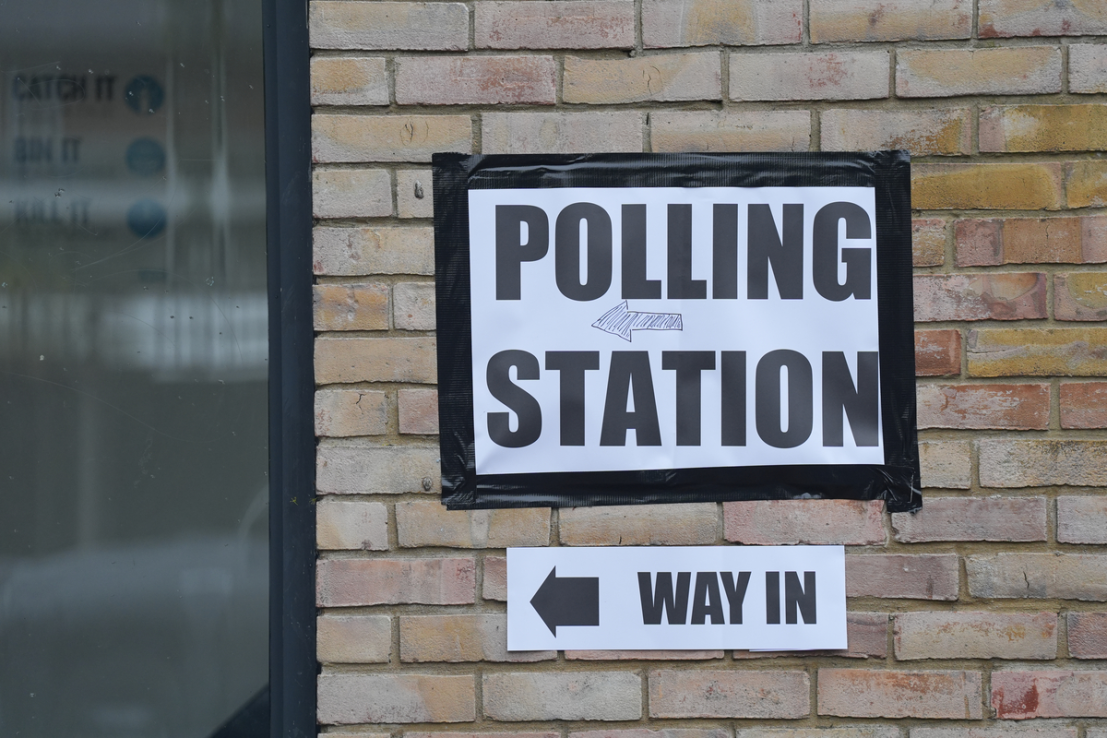
Andy Burnham is said to be considering voting reform. Two writers go head to head on whether Britain should introduce Australian-style compulsory voting.
YES: Everyone’s vote should count, not just those who turn up
British politics has a turnout problem. Just three in five registered voters went to the polls in the 2024 general election. That is a major problem for a democracy. The issue is not only how many people vote, but whose voices end up counting most. In 2024, there was a 25 percentage point turnout gap between the oldest and youngest age groups, and a 20-point gap between university graduates and those with the lowest educational qualifications.
That electoral incentive skews politics toward those most likely to vote: the wealthy, homeowners and older voters. For everyone else — renters, ethnic minorities, younger voters and poorer voters — there is a risk of a vicious circle: their voices go unheard, so they become even more disengaged.
Andy Burnham is right to support changes to how democracy works, including a more proportional voting system and greater power for regions and cities. But another idea is gaining momentum: Australia-style compulsory voting. Under such a system, everyone would be expected to vote or be fined around £10 for failing to do so. That does not mean forcing anyone to support a particular party; ballots should include a “none of the above” option.
At IPPR, we back compulsory voting for two reasons. First, voting is a duty: citizens are expected to pay taxes or do jury service when summoned, so why should they not be expected to have a say in Britain’s shared future? Second, it works. In the 100 years since voting became compulsory in Australia, turnout has only once fallen below 90 per cent. The same broad pattern can be seen in Belgium, Chile and Singapore. That matters because turnout is not just a measure of participation; it shapes how legitimate election outcomes feel to people who may already think politics does not speak for them.
Democracy needs everyone to take part. Backing compulsory voting would be a clear statement of this new government’s commitment to a different, better politics.
Harry Quilter-Pinner is IPPR executive director.
NO: The bar for compelling citizens in a liberal society to do things should be very high
In a liberal society, the moral case for making something compulsory can only plausibly be made when the benefits to society are very large, or when it is necessary to preserve freedom itself. That is why conscription in wartime has some justification. But does compulsory voting meet that high bar? No. If we are not going to force people to help someone carry heavy shopping bags for 15 minutes, then we should not force them to spend 15 minutes voting for what will probably be an even smaller benefit to society in expectation, if any.
Indeed, compulsory voting is likely to make politics worse because people who know very little, and do not vote for that reason, would be forced to do so. In 2024, turnout among young people was 37 per cent, compared with 60 per cent for the general population, and a principal reason they give for not voting is that they do not know enough. Only 64 per cent of 18- to 24-year-olds access the news daily, compared with 87 per cent of those over 55, and younger people mostly do so via social media. That points to a broader problem of political information, but compulsory voting does not solve it.
My opponent will argue that politicians need to respond to all sections of society, including underrepresented ethnic minorities and young people, and that compulsory voting would help. But politicians should not be responding to the views of their constituents anyway. As Edmund Burke once said: “Your representative owes you, not his industry only, but his judgment; and he betrays, instead of serving you, if he sacrifices it to your opinion”. Departing from this principle is how you get politicians voting for disastrous but popular policies such as rent controls and price caps on food.
Charles Amos is a PhD candidate in political theory at King’s College London.
THE VERDICT
Compulsory voting is reportedly under discussion as three think tanks influential in Labour circles, including Quilter-Pinner’s IPPR, advocate for it. More broadly, voting reform is being discussed as Reform UK and the Greens have gained in the polls, disrupting the two-party system. First-past-the-post delivers stable governments when there are effectively only two parties competing, but in a multi-party environment it can produce administrations that vast majorities did not vote for, undermining legitimacy. City AM is sceptical of calls for permanent constitutional change based on current and shifting circumstances. However, if Britain continues to be a five-, six- or seven-party democracy, some level of voting reform will surely become necessary.
Compulsory voting is not the answer. Quilter-Pinner is right that it would increase turnout and ensure that elected politicians better reflect those they represent. And the policy appears to have done little harm in freedom-loving Australia. But Amos is right that MPs are delegates, not representatives, and that the best legislators do not need to be a perfect mirror of the electorate. His point that there should be a very high bar for the state to compel citizens to do anything at all, while bluntly put, is hard to disagree with.

