CLARITY Act Faces Uphill Battle as Final Senate Vote Unlikely Before August Recess
Key Takeaways
- •Senate Majority Leader John Thune said he wants the CLARITY Act to move forward before recess but has not confirmed there is enough time or support for passage.
- •Senate Democrats have objected to the updated draft over ethics, consumer protection, illicit finance, conflicts of interest, and market integrity concerns.
- •The bill needs 60 votes to advance, requiring Republican sponsors to secure Democratic backing.
- •Banks and crypto firms remain divided over stablecoin reward provisions that limit passive interest-like payments but allow activity-based rewards.
- •The National Fraternal Order of Police endorsed the current draft, citing provisions related to law enforcement authority and crypto crime investigations.
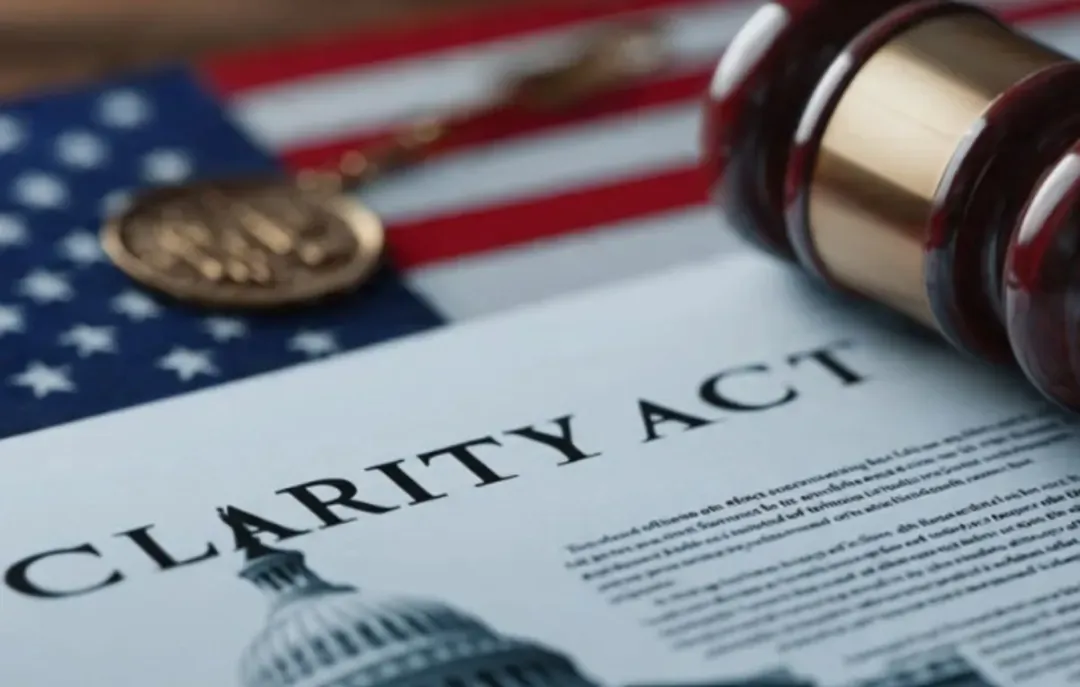
The CLARITY Act is unlikely to reach a final Senate vote before lawmakers depart Washington for the August recess, according to Majority Leader John Thune. While Thune has expressed a desire to begin floor action, he has not confirmed whether sufficient time or votes exist to secure passage. The legislation, a digital asset market structure bill intended to clarify oversight of crypto markets, continues to face disagreements over ethics provisions, stablecoin reward structures, consumer protections, and illicit finance controls. With the November midterm elections approaching, supporters are working against an increasingly tight legislative calendar.
Senate Calendar Tightens Ahead of August Recess
Senate Majority Leader John Thune told reporters he would like to see the CLARITY Act move forward before the chamber breaks for summer recess. His remarks suggest the Senate may initiate debate or procedural steps without necessarily completing a final vote. The Senate is scheduled to remain in session through August 7.
The legislative process can span several days, particularly when cloture and amendment votes are required. The bill needs 60 votes to advance, meaning Republicans must win Democratic support. Sanctions legislation, government funding measures, and other priorities are simultaneously competing for limited floor time.
White House crypto adviser Patrick Witt offered a more hopeful outlook. He said the first week of August still allows room for Senate action, though he conceded that a final vote in July appears improbable. Beginning the process before recess could keep the bill positioned for further consideration when senators return in September.
Democratic Objections Leave Vote Count Uncertain
Republicans released updated CLARITY Act text on July 22, merging work from the Senate Banking and Agriculture committees. That committee pairing reflects the bill's core market-structure issue: how digital assets should be overseen across existing securities and commodities regulators. Senator Cynthia Lummis said negotiators would continue discussions around the ethics section and other unresolved provisions. The draft retains protections for certain non-controlling software developers under the Blockchain Regulatory Certainty Act.
A group of Senate Democrats stated that the text remains inadequate on ethics, consumer protection, illicit finance, conflicts of interest, and market integrity. Their support is critical to the bill's advancement, as Republicans lack the 60 seats required to move it independently.
The ethics section remains a primary stumbling block. The draft assigns enforcement authority to the Justice Department and includes temporary restrictions on senior officials engaging in digital asset activity.
According to Polymarket data, the CLARITY Act holds a 37% probability of being signed into law in 2026. That figure has declined 28% as Senate scheduling challenges and election-year disputes have clouded the bill's trajectory.
Stablecoin Rewards Fuel Additional Disagreement
Banks and cryptocurrency firms remain at odds over stablecoin reward programs. The draft limits interest-like payments on passive stablecoin holdings but permits rewards linked to transactions or customer activity. Banking industry groups contend that expansive reward programs could siphon deposits from regulated lenders.
Crypto companies counter that stricter limitations would stifle competition and diminish the utility of dollar-backed tokens. Republican senators have also flagged concerns about the language. The dispute matters because stablecoins sit at the intersection of payments, banking policy, and crypto market liquidity, making reward language a practical as well as regulatory concern. Any floor consideration may require additional amendments before Senate leadership can gauge support for the full bill.
The legislative schedule becomes more challenging after the recess. Congress returns for approximately three weeks in September, during which funding bills, defense legislation, and election campaigning will vie for attention. Even if the Senate passes the measure, the House must either approve the Senate version or reconcile differences between the two chambers.
Police Organization Endorses Updated CLARITY Act Draft
The National Fraternal Order of Police has endorsed the current version of the CLARITY Act. In a July 24 letter, the organization stated that language tied to the Blockchain Regulatory Certainty Act addresses its earlier concerns and preserves law enforcement's authority to investigate cryptocurrency-related crimes.
The group highlighted provisions covering fraud, anti-money laundering obligations, temporary transaction holds, asset tracing, digital asset kiosks, and training grants. It said the legislation equips investigators with clearer tools while maintaining accountability for individuals who knowingly transfer funds connected to criminal activity.
Reporter Eleanor Terrett covered the endorsement but noted that the BRCA provision appeared unchanged in the draft released Wednesday, making it unclear what specific change resolved the group's previous objections. While the endorsement eliminates one source of opposition, it does not resolve the ethics, stablecoin, and vote-count disputes that continue to delay Senate action.

