Legal Expert Elie Honig: Trump's Push to Prosecute Jack Smith Unlikely to Succeed
Key Takeaways
- •Rep. Jim Jordan referred Jack Smith for criminal prosecution over allegations that Smith lied under oath about reviewing congressional text messages.
- •Elie Honig said a perjury case would require a clear question and a clearly false answer, which he does not believe exists here.
- •Smith testified that toll records did not include phone call or text message content, and toll records only show call metadata.
- •The text messages Smith reviewed came from National Archives records, not from the toll records discussed in the questioning.
- •Smith’s attorneys said the referral reflects an attempt to weaponize the justice system against a nonpartisan public servant.
Republicans have spent the past two years seeking a way to target former special counsel Jack Smith, and they believe they may have found one. However, according to legal expert Elie Honig, their effort rests more on hope than on legal reality.
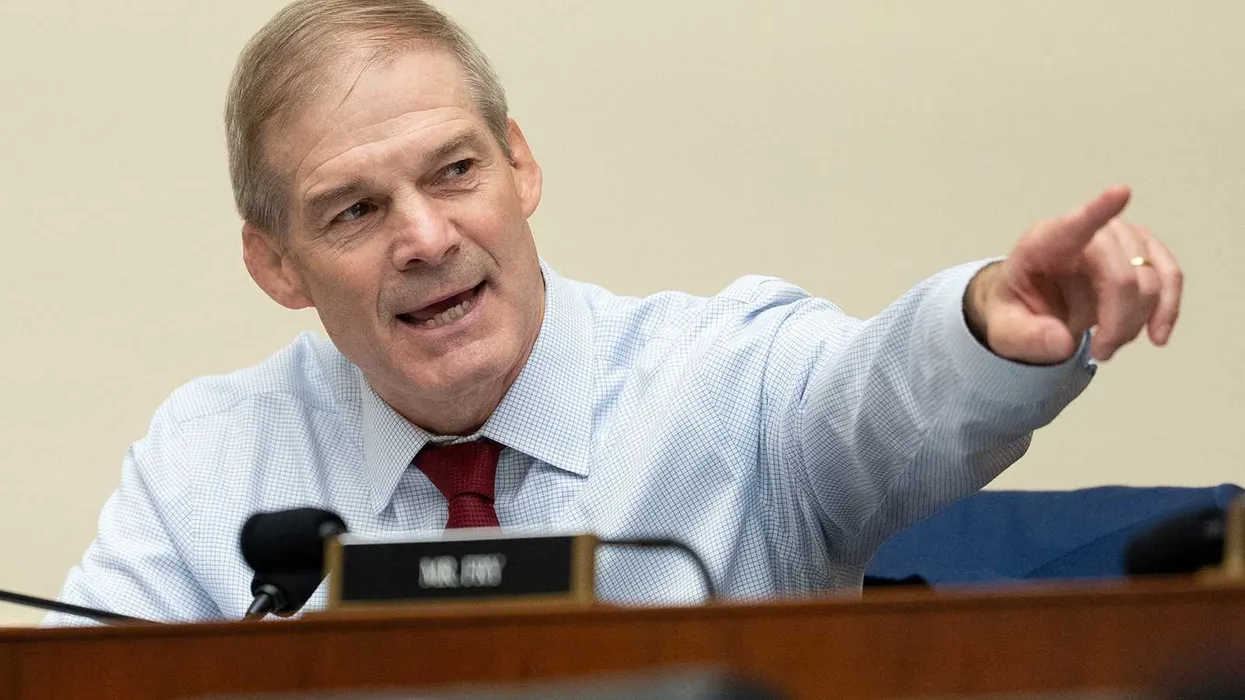
On Thursday morning, President Donald Trump took to Truth Social to share a blog post reporting that Rep. Jim Jordan (R-Ohio) had referred Smith for criminal prosecution, alleging that Smith lied under oath.
"Justice at last???" Trump wrote when sharing the report.
A congressional criminal referral does not itself bring charges; the Department of Justice would have to decide whether the evidence supports prosecution. That threshold is central to Honig's analysis, because perjury cases generally require proof that a witness knowingly gave a false, material answer to a clear question while under oath.
CNN legal analyst Elie Honig explained why he believes the effort will not hold up.
"I do not think there is a valid, provable federal crime here against Jack Smith," Honig said. "And here's why: The core of the allegation that Jim Jordan is making is that Jack Smith testified back in December that he had not seen the substance of text messages involving members of Congress. But it later turned out he had seen text messages."
While that may sound like a lie on its face, Honig noted, the difficulty lies in examining the actual transcript and identifying precisely which set of documents was under discussion.
"The problem is there are two different sets of documents that Jack Smith testified about," Honig explained. "The first one that he's being questioned about. There are documents that Jack Smith obtained: phone records of certain members of Congress. And as Jack Smith testified here, you can see all he saw is the record of what phone number called, what phone number on what date, and for how long."
CNN displayed the transcript on screen, showing the exchange between the GOP lawmaker and Smith:
"Okay. Did the toll records that you requested from the senators, did they include the content of the phone calls?" the lawmaker asked. Smith answered, "No."
The lawmaker then asked, "Did the records that you requested, the toll records from the Member of Congress, include the content of the text messages?" Smith again answered, "No."
Toll records are documents that show when calls were made — they do not contain text messages. The text messages that Smith had reviewed from members of Congress came from the National Archives, which backs up such communications for record-keeping purposes. Those are an entirely different set of documents from the toll records.
Therefore, when Republicans asked Smith whether "the toll records from the Member of Congress" included text message content, Smith accurately stated that they did not — because toll records by their nature do not contain text messages.
Honig acknowledged that Smith could have volunteered that he had seen the contents of text messages in the separate National Archives documents, but he simply answered the question as it was posed.
"It's not false for him to say there that he had not seen the substance of the text messages," Honig added, referring specifically to the toll records.
Honig anticipates that if the Department of Justice attempts to indict Smith, Smith will likely move to dismiss the case on grounds of "vindictive prosecution."
"And if he makes that argument, which he surely will, if he gets prosecuted, this will be an exhibit to make that argument," Honig said. "He'll say, look, the president is openly pushing for this. There's a long-standing history between us, and that will bolster a vindictive prosecution defense should Jack Smith ever get charged."
While Jordan claims that Smith was speaking in "half-truths," Honig pointed out that a perjury case cannot be built on a half-truth. "In order to make a perjury case, you have to show a specific, clear question and a specific, clear false answer."
Jordan, who chairs the House Judiciary Committee, attended law school but has never taken the Bar Exam and has never practiced law.
Smith's attorneys released a statement in response, saying: "This reflects a chilling eagerness to weaponize the justice system by attacking a career, nonpartisan public servant who faithfully and fearlessly performed his duties by following the facts and the law."

