Senator Cruz: Trump Aims to Avoid Long-Term U.S. Troop Deployment in Iran as Conflict Continues
Key Takeaways
- •Senator Ted Cruz indicated that President Trump is expected to avoid prolonged U.S. ground troop deployments in Iran while defending ongoing military strikes as necessary to curb Tehran's nuclear ambitions.
- •The 2026 Iran war has been conducted primarily through air and missile strikes against Iranian nuclear and military sites rather than large-scale ground operations.
- •U.S. strategy reflects a broader reluctance toward Middle East troop commitments stemming from the prolonged and politically costly wars in Iraq and Afghanistan.
- •Prediction market data shows only a 3.6% probability that the United States will halt offensive operations by July 24, with gradually improving odds for later dates.
- •The conflict's trajectory has significant implications for global energy markets because Iran is a major oil producer situated near the Strait of Hormuz, through which approximately one-fifth of the world's daily oil supply passes.
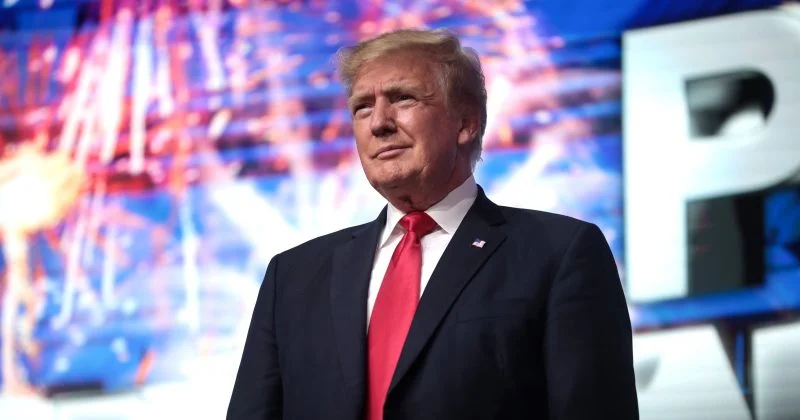
Senator Ted Cruz has indicated that President Donald Trump is expected to refrain from a prolonged deployment of U.S. ground forces in Iran, while defending recent military strikes as essential to degrading Tehran's military capabilities and blocking its path to nuclear weapons.
Cruz's remarks come against the backdrop of the ongoing 2026 Iran war, in which the United States and Iran remain locked in an active conflict defined primarily by air and missile strikes. U.S. military operations, officially described as combat missions, have targeted Iran's nuclear infrastructure and military installations. According to Cruz, the current approach—centered on aerial and missile campaigns—is likely to persist rather than escalate into a large-scale ground commitment. The preference for standoff weaponry reflects a broader U.S. posture shaped by the prolonged and politically costly ground wars in Iraq and Afghanistan, which have made both policymakers and the public wary of new large-scale troop deployments in the Middle East.
The senator's comments signal that Washington's strategy will continue to lean on precision strikes and remote operations instead of deploying significant numbers of American troops on Iranian soil. This posture aligns with the administration's stated objective of neutralizing Iran's nuclear ambitions while minimizing sustained U.S. military entanglement in the region. Iran's nuclear program has been a focal point of international security concerns for more than two decades, drawing sanctions, diplomatic negotiations, and intermittent international monitoring efforts aimed at constraining Tehran's enrichment activities.
Prediction market data reflects expectations of continued hostilities in the near term. Pricing as of the latest data indicates only a 3.6% probability that the United States will halt offensive operations by July 24. However, market movements show a gradual upward trend in the odds of a cessation tied to later dates, suggesting that participants see a potential shift over a longer time horizon.
Going forward, market observers and analysts are likely to focus on several key variables: diplomatic initiatives, shifts in military strategy, and official communications from the Trump administration—particularly statements issued by the White House or the State Department. The conflict's trajectory also carries implications for global energy markets, given Iran's position as a major oil producer and its proximity to the Strait of Hormuz, through which roughly a fifth of the world's daily oil supply transits. Any significant changes in the regional military landscape, including additional strikes or the emergence of ceasefire frameworks, could substantially alter market expectations regarding the timing and likelihood of a halt to U.S. offensive operations.

