Zcash Closes in on $1,400 After Coinholders Vote to Keep Bitcoin-Style Halvings
Key Takeaways
- •Zcash holders backed retaining Bitcoin-style halvings over smooth issuance with 98.9% support in the NU7 vote, which drew a record 66% turnout of the eligible pool.
- •Voters also selected 25-second block times, immediate deprecation of the legacy Sprout pool, and a scope restricted to features ready by a September 30 cutoff.
- •Coinholders chose February 2031 for the start of fee recycling to miners by 96.6%, a date key development teams accepted as conservative and open to revision through a future poll.
- •ZEC traded around $1,368, up 10.9% on the day and 168% over 30 days, ranking ninth among cryptocurrencies with a $22.9 billion market capitalization.
- •The token's rise of more than 2,500% over the past year has been supported by Grayscale's August ETF launch, which gave institutions a new route to Zcash amid growing interest in on-chain privacy.
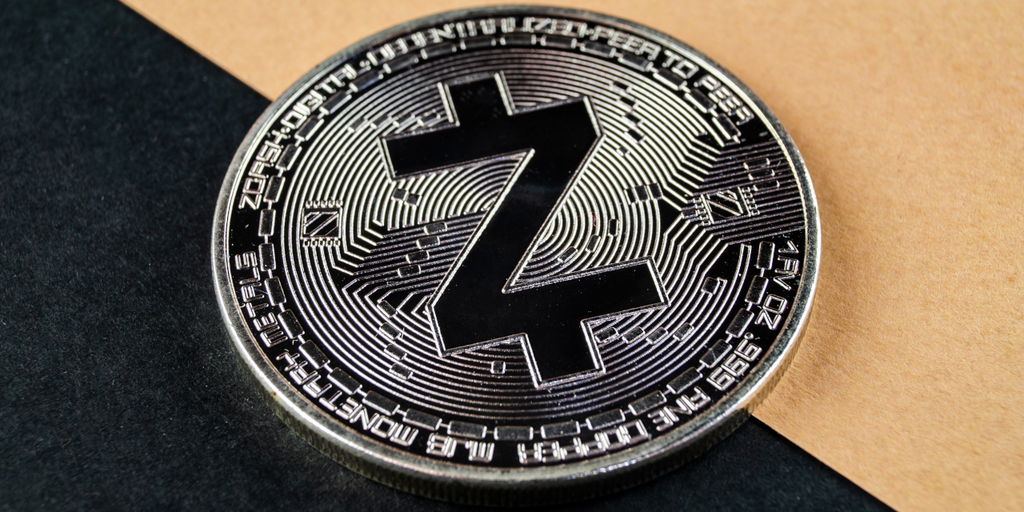
Zcash (ZEC) jumped double digits on Thursday to $1,388 after coinholders settled the shape of the privacy coin's next network upgrade, NU7, in a community vote whose results were published on Sunday.
The token was last changing hands at $1,368, up 10.9% on the day and 168% over the past 30 days, ranking as the ninth-largest cryptocurrency by market capitalization at $22.9 billion, according to CoinGecko data.
The rally caps a remarkable stretch: ZEC has tripled since July's Ironwood upgrade and is up more than 2,500% over the past year, a period that included the launch of a Grayscale Zcash ETF.
Record turnout for NU7 vote
Holders voted 98.9% in favor of preserving Bitcoin-style halvings rather than shifting to smooth issuance, with 2.4 million ZEC cast in the NU7 sentiment polls — a record turnout of 66% of the eligible pool.
Halvings periodically cut the network's block reward, tapering the flow of new ZEC the way Bitcoin's supply schedule does, whereas smooth issuance would have kept new coin creation at a steadier, more even rate.
Eligibility was fixed by spendable shielded ZEC — coins kept on the network's privacy-protecting side — held in the Ironwood pool at block 3,459,350 on August 24, with one coin equal to one vote. Ballots were encrypted and split into 16 unlinkable pieces, allowing totals to be counted without revealing who voted or how much they held.
Beyond the issuance question, voters also chose faster 25-second blocks, immediate deprecation of the legacy Sprout pool, and a cut in scope to whatever is ready by September 30.
One question divided the community. On when the network sustainability mechanism should begin recycling fees back to miners, coinholders picked February 2031 by 96.6%, while the advisory panels favored "as soon as possible." Shielded Labs, Project Tachyon, ZODL, the Zcash Foundation and Valar Group have since said they are aligned on the February 2031 date as "the most conservative interpretation of the results," with another poll able to revisit it.
NU7's final make-up now hinges on the September 30 readiness cutoff, and the February 2031 fee-recycling start date can still be revisited through a future poll.
The privacy narrative
The move up the rankings signals that "the market is redefining the value of privacy," according to Tim Sun, senior researcher at HashKey, who called Zcash "the leading front-runner in this wave of narratives."
Roxana Nasoi, a core contributor at privacy network Logos, framed the appeal more bluntly: "Privacy denies everyone else the knowledge that makes you a target."
Nasoi attributed part of the 2,500% annual rise to the launch of Grayscale's ETF last month, which gave institutions "a route to Zcash that didn't exist before."
Privacy coins — a category that also includes Monero and Dash — have drawn attention since the fund launched in August, Sun said, which "alleviated regulatory concerns" and coincided with a shift in the sector's pitch "from pure anonymity to financial privacy and confidentiality" — a distinction sharpened by AI "rapidly reducing the cost of identifying address behaviors, counterparties, and asset changes."
"The world is waking up to the need for on chain privacy," argued Joe Andrews, chief executive of Aztec Labs, pointing to three months in which Zcash "dealt with a critical bug, shipped post quantum upgrades to harden the protocol" and saw its token treble.
The Ironwood upgrade activated in July after researchers discovered a four-year-old flaw that could have allowed counterfeit ZEC to minted, a disclosure that sent the price down 38%. The upgrade trapped any counterfeit coins in the retired pool and added quantum-resistant transaction records.
Source: Decrypt

