Zcash Holders Back Faster Block Times, Keep Halving Schedule in NU7 Poll
Key Takeaways
- •Zcash token holders voted with 99.9% support to reduce the network's target block time to 25 seconds from 75 seconds, a change expected to shorten the wait for a transaction's first confirmation.
- •A total of 98.9% of ZEC-weighted votes backed preserving the existing halving schedule, contrasting with the community advisory panel's narrower 57-54 split in favor of keeping halvings.
- •Roughly 97% of token holders, representing about 2.3 million ZEC, voted to delay Network Sustainability Mechanism reissuance until February 2031, versus about 70,239 tokens favoring an start.
- •The approved measures are proposed for the NU7 upgrade, and holders favored excluding any features not implemented by the Sept. 30 deadline, with testnet and mainnet activation dates still undetermined.
- •ZEC rose 3.8% in the past 24 hours, according to CoinMarketCap data, extending a 132% rally recorded over the past month.
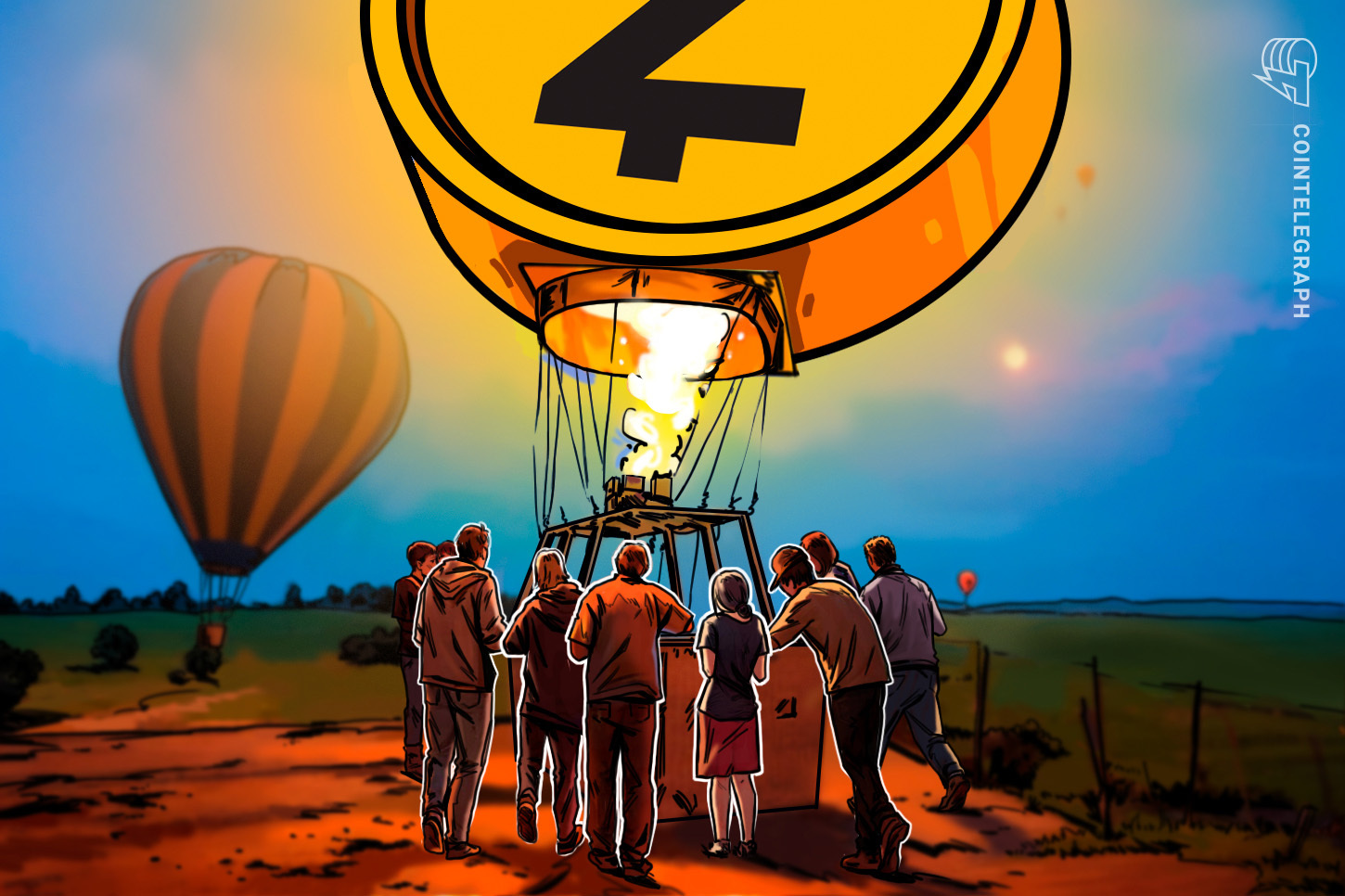
Zcash token holders have voted decisively to cut the privacy-focused network's target block time — the average interval between mined blocks — to 25 seconds from 75 seconds, and to preserve its existing halving schedule, according to the results of a community poll on the protocol's next major network upgrade.
The faster-block proposal received 99.9% of the Zcash (ZEC)-weighted vote, while 98.9% supported keeping halvings, according to results published Monday on the Zcash community forum. Voting power reflected eligible ZEC holdings, with both percentages including abstentions.
Under the proposal, the shorter interval would reduce the expected wait for a transaction's first confirmation — the first block to include it. To keep the network's scheduled daily issuance unchanged, the amount of new ZEC issued per block would fall to match the faster cadence.
The changes are proposed for NU7, a Zcash network upgrade whose activation date remains undetermined. Token holders also favored excluding from the upgrade any features not implemented by Sept. 30.
The coinholder vote was conducted separately from polls of ZecHub, the Zcash Community Advisory Panel and other community groups. Eligibility was limited to spendable ZEC held in the Ironwood shielded pool at the voting snapshot. Developers plan to ship the final items for the upgrade by the Sept. 30 cut-off deadline, with testnet and mainnet activation dates not yet determined.
Halvings are cuts that reduce the issuance of new ZEC by half. The winning coinholder option would preserve that schedule while allowing funds removed from circulation under a separate proposal to be returned through future block rewards.
The advisory panel's results showed a much closer split, with 57 members favoring a gradual issuance curve that would replace halvings and 54 favoring keeping them.
Coinholders favor delaying NSM reissuance
Another major feature considered for NU7 inclusion was the Network Sustainability Mechanism (NSM), a proposed upgrade to Zcash's economic model that aims to recycle a portion of transaction fees back into a pool, rather than relying solely on block rewards, the newly issued ZEC paid to miners for producing blocks.
About 97% of token holders voted to delay NSM reissuance until February 2031, with roughly 2.3 million ZEC tokens voting for the delay. Only about 70,239 tokens voted to start the mechanism as soon as possible.
NSM was proposed in January in response to the network's long-term security budget concerns, as declining block rewards may eventually prove insufficient to incentivize miners to validate transactions. The model's three-part mechanism seeks to burn and recycle 60% of ZEC transaction fees into future block rewards, without exceeding the token's 21 million maximum supply.
According to CoinMarketCap data, ZEC rose 3.8% in the past 24 hours, extending the 132% rally it has recorded over the past month.

