Jenkins Says Trump’s “Lame-Duckery” Is Accelerating as Approval Slips
Key Takeaways
- •Jenkins said Trump’s influence is fading and described the change as an early form of lame-duck status in his second term.
- •He pointed to Disney’s move from paying to settle a Trump defamation suit in 2024 to using lawyers and lawsuits to resist him now.
- •He noted Trump stayed unusually quiet about the Los Angeles Lakers sale and a reported possible Dodgers sale involving Mark Walter.
- •The article said Trump’s approval ratings have fallen to 33 percent in a Reuters poll and 35 percent in a YouGov/The Economist poll.
- •The report said White House insiders do not think Trump’s poll numbers have reached a floor and expect them to fall further.
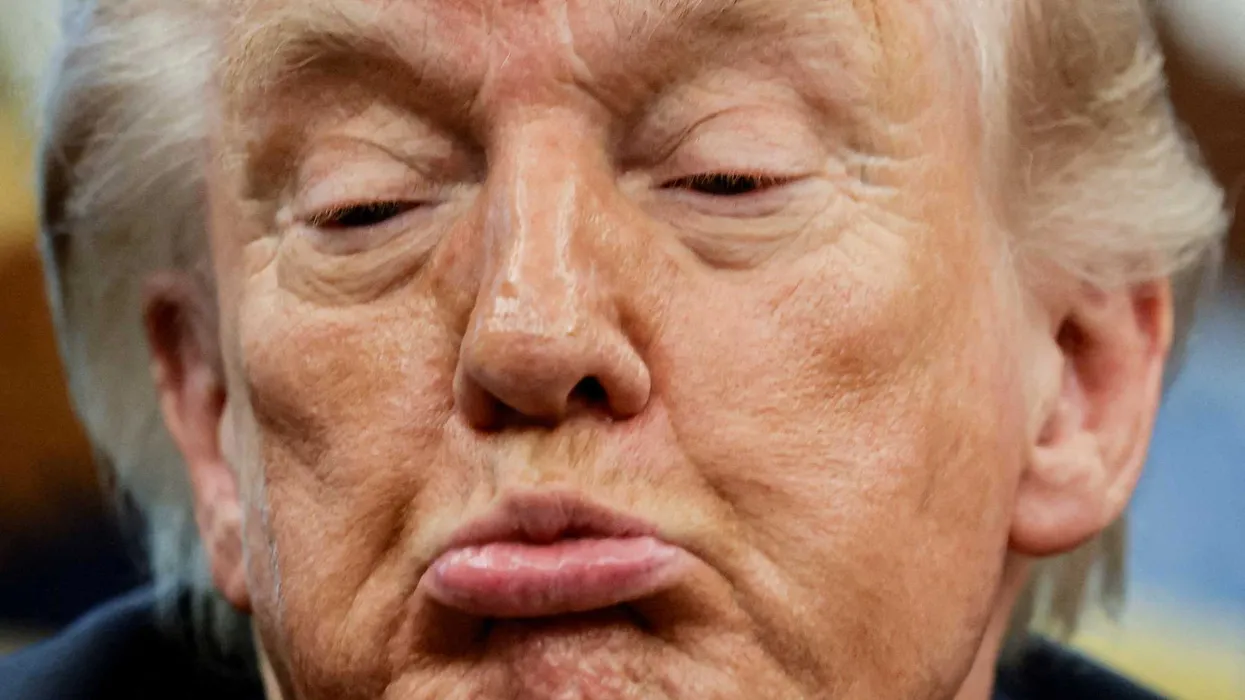
Wall Street Journal columnist Holman W. Jenkins Jr., a longtime member of the paper’s editorial board, says President Donald Trump’s power is waning—and argues that the change may ultimately help Trump himself.
“You heard it here first. Donald Trump’s lame-duckery is picking up speed. As it does, his government will start acting like a normal government,” Jenkins wrote. “This might even benefit Mr. Trump’s reputation in the final two years of his presidency.”
The “lame duck” label is usually reserved for a president whose successor has already been chosen; Jenkins applies it much earlier in Trump’s second term, which the Constitution’s 22nd Amendment caps at two elected terms.
Jenkins pointed to a series of recent examples to support his case. He noted that entertainment companies and their news divisions once appeared to accommodate Trump by paying off lawsuits—ABC News, Disney’s broadcast network, agreed in December 2024 to pay $15 million to settle Trump’s defamation suit over George Stephanopoulos’s on-air remarks—and dropping late-night critics. Now, he said, Disney is responding with lawyers and lawsuits, defending its ABC broadcast network and challenging what he described as Trump’s intimidation tactics, while pressing him to tell his Federal Communications Commission allies to stand down. That agency carries particular weight for broadcasters: networks like ABC operate through FCC-licensed stations, giving the regulator a role in license renewals and merger reviews.
“No, Disney’s courage didn’t go up,” Jenkins said. “Trump’s approval ratings have gone down. So has his personal prestige amid the Iran bungle. Perhaps not surprising, this recognition begins with business elites 3,000 miles away from Washington. Expect it to spread east.”
He also cited Trump’s silence around the sale of the Los Angeles Lakers by private equity executive Mark Walter, the Guggenheim Partners chief who already controls baseball’s Dodgers, which Jenkins said came under pressure from Trump’s Securities and Exchange Commission and the U.S. attorney for the Southern District of New York over accounting questions. The deal valued the franchise at a reported $10 billion, a record for a U.S. sports team, and involves the Buss family, whose late patriarch Jerry Buss built the “Showtime” dynasty after buying the club in 1979. The team sale became a tabloid topic, Jenkins said, but Trump remained notably absent from the dispute.
“In fact, in the hoo-hah over the Lakers, titillating to the media on both coasts, Mr. Trump has been a non-factor. He’s had nothing to say about the blowup in the … L.A. royalty who built the Laker dynasty and are divided over whether to part with their minority stake,” Jenkins wrote.
Jenkins added that Trump has also been unusually quiet as Walter reportedly considers selling the Dodgers—the marquee franchise his Guggenheim-led group bought out of bankruptcy in 2012—during World Series season, despite Trump’s reputation for inserting himself into high-profile disputes and dominating the conversation.
“It’s all here yet Mr. Trump’s instinct to insert himself has gone into abeyance,” Jenkins said. “File it under the dog that didn’t bark. Is Mr. Trump sensing how much Iran has punctured his mystique? Maybe he’s worried he’ll tweet something and no one will care? Whatever the cause, it’s no coincidence that the industry most sensitive to personal prestige — Hollywood — recognized it first.”
“Call it a down payment on what the world will feel like — less colorful but also less grating — when Mr. Trump is no longer president,” he added.
The article said Trump’s standing continues to weaken ahead of the United States’ 2026 midterms, which are about two and a half months away. The Nov. 3 elections will fill all 435 House seats and roughly a third of the Senate, contests that have historically been difficult for the party holding the White House, which has lost House seats in most postwar midterms. The article cited recent approval ratings including 33 percent in a Reuters poll and 35 percent in a YouGov/The Economist poll. Even so, the report said White House insiders do not believe the numbers have bottomed out and think they could fall further in the coming weeks.
