Fifa wants to sell the family silver, but should World Rugby do the same?
Key Takeaways
- •FIFA has proposed selling commercial stakes in the World Cup, with plans to increase member association payments from $8 million to $20 million per cycle and offer a $20 million sweetener to supportive voters.
- •Rugby has already sold competition stakes to CVC Capital Partners, which holds interests in the Six Nations, Premiership Rugby, and the United Rugby Championship.
- •Three English Premiership clubs — Worcester Warriors, Wasps, and London Irish — collapsed financially between 2022 and 2023 despite CVC's involvement, exposing the fragile economics of professional rugby.
- •Any future commercial stake sale by World Rugby would need to ensure funds reach developing rugby nations rather than wealthier established ones and that investment is directed ethically.
- •Rugby's smaller scale relative to football means selling commercial stakes carries greater risk of surrendering disproportionate influence to outside corporate investors.
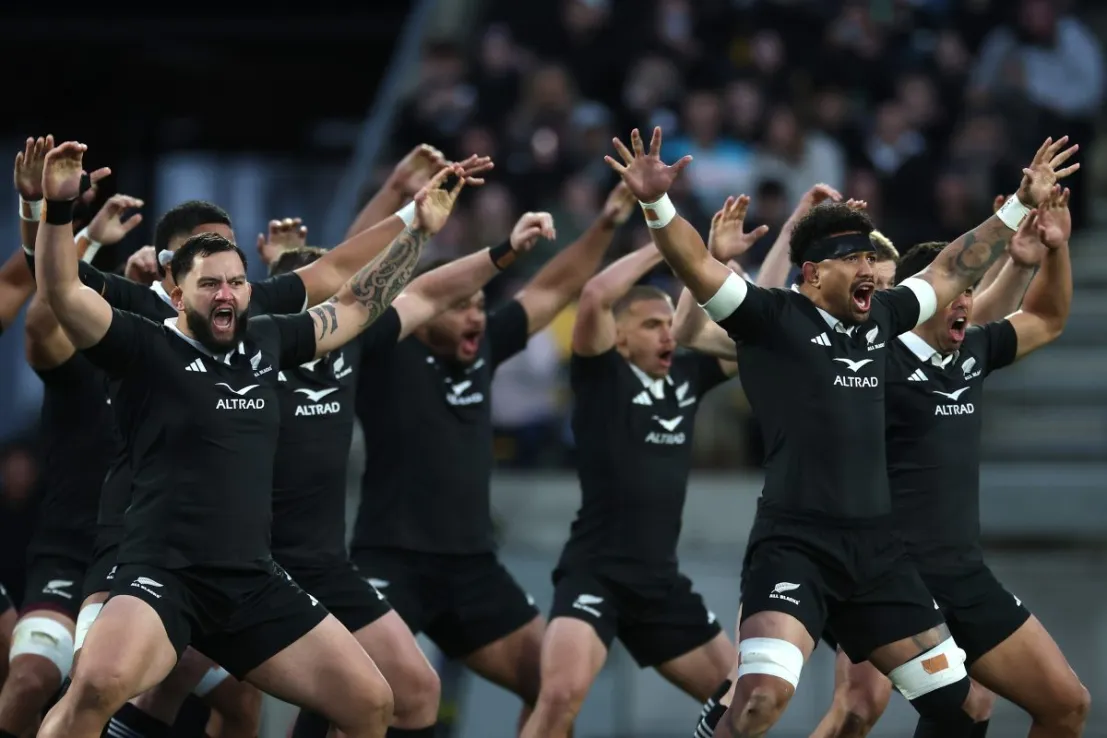
Selling stakes in commercial entities is often likened to selling the family silver. So should World Rugby follow Fifa's example?
Selling stakes in commercial entities, much like Fifa has announced it wants to do with the World Cup, is like selling the family silver. Global tournaments are pillars of sport, with revenues and reach that rise sharply when they are staged.
The Fifa World Cup across the United States, Canada and Mexico was largely a success, with millions attending, often paying thousands, to watch 48 teams in action.
The addition of those extra teams pleased many observers, and they are likely to welcome Fifa's proposal. Under the plan, the current $8m distributed to member associations per four-year cycle would increase to $20m. Those who vote in favour would also receive an additional $20m sweetener.
World Rugby's private equity dilemma
What does this have to do with rugby? Ovalball has already sold stakes in its competitions to private equity, most notably CVC Capital Partners.
CVC holds interests in the Six Nations, Prem Rugby and the multinational United Rugby Championship. Its involvement in England's top flight came before the league lost three clubs — Worcester Warriors, Wasps and London Irish — to financial difficulties between 2022 and 2023, a collapse that laid bare the precarious economics of professional rugby even in one of its wealthiest markets.
It is fair to say that the outcome has not been entirely successful, and that should serve as a warning to Fifa and football, a sport awash with cash yet still seeking more.
But the question of whether World Rugby should consider a similar sale is harder to answer.
Rugby needs money, and many nations are short of cash. Any sale in rugby would need to ensure that money reaches Suva and not Scotland, and that when it does arrive, it is directed ethically into the right places.
Beyond that, rugby would need to sound out potential investors in a way football would not. The round-ball game is likely to attract interest from across the investment spectrum, and football is big enough to absorb it all. That is not the case for rugby.
Chinese investment would steer rugby towards helping the Asian nation extend its influence in the Pacific, while US investment would push the sport westward. British and European investment would also have its own impact. The money involved in rugby is relatively small, so a sale would probably mean surrendering some influence, much as CVC Capital Partners has done across rugby in Europe.
Future of the game
The major similarity between the two sports is that Europe appears to hold the power. Football is nothing without its world champions, Spain, and its other major forces, not because the rest of the world is lesser, but because both are needed for a global sport to thrive.
Rugby is dominated by European finances, with the Investec Champions Cup at the top of the club game and the Six Nations driving the annual international calendar. Only this year have southern hemisphere sides South Africa and New Zealand looked to create their own version of the Lions Tour. Without Europe, global rugby collapses.
Uefa is angry with Fifa, like a child fuming at its parents. Yet some would argue that the possible growth for non-European nations outweighs the inevitable frustration on these shores.
This kind of investment should be on the table for World Rugby, and it would be foolish to ignore it. But unlike their sporting siblings, rugby administrators would need to be far more vigilant about who they allow into the sport.
A smaller sport risks selling influence for far less than it is worth to corporate outsiders in exchange for a short-term financial boost.
Rugby should watch closely to see how Fifa's plan, and the fallout from it, unfolds. It could shape how rugby and other sports do business for decades.
Ollie Phillips is the founder of Optimist Performance and part of a LooseHeadz world record attempt for the longest rugby sevens match. Follow Ollie @OlliePhillips11 and donate online.

