White House Names Kirsten Davies National Cyber Director as Post-Midterm Departures Raise Staffing Concerns
Key Takeaways
- •Kirsten A. Davies was named Thursday as the new national cyber director, succeeding Sean Cairncross.
- •Cairncross's departure followed midterm elections that cost Republicans their majorities in both the House and Senate, with the change occurring amid nationwide outages and breaches.
- •Axios, citing two White House officials, reported that chief of staff Stephen Miller pushed Cairncross out for lacking strong cyber credentials, though other sources described the exit as amicable.
- •Cairncross is among numerous officials to leave the administration since the midterms, and Bloomberg Law reported Justice Department political appointees are seeking exits over fears for their careers.
- •Steve Bannon suggested the White House is removing lower-level officials because the incoming Senate is unlikely to confirm senior replacements, as the executive branch manages the outage wave with a thinner bench.
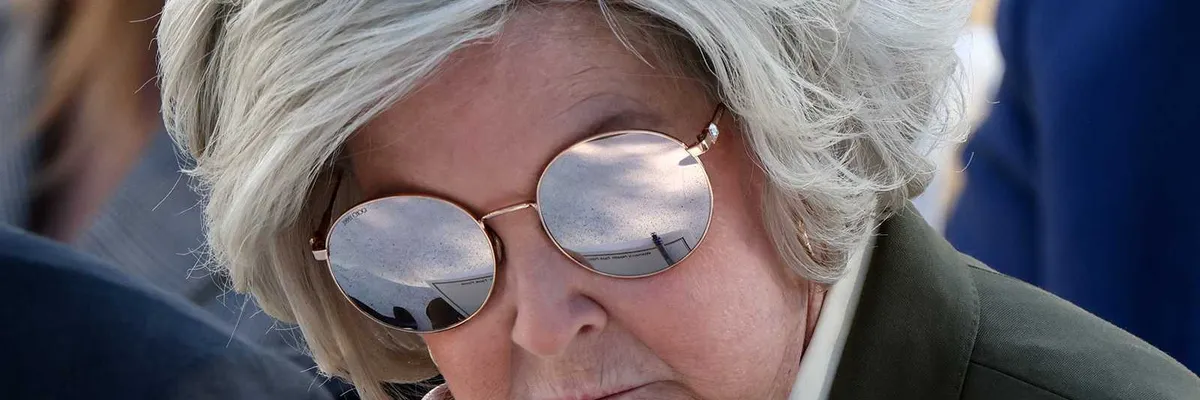
The White House announced on Thursday that Kirsten A. Davies will serve as its new national cyber director, succeeding Sean Cairncross, who left the administration after midterm elections that cost Republicans their majorities in both the House and Senate, and amid a wave of outages and breaches affecting systems ranging from major banks to the nation's airspace. The national cyber director coordinates federal cybersecurity policy across agencies, making the handoff a live variable for the operators still contending with those failures, from major banks to the nation's airspace.
Despite the system failures reported across the country, two sources described Cairncross's departure as "amicable." Axios, however, cited two White House officials who said Stephen Miller, President Trump's new chief of staff, sought the change and pushed Cairncross out because he "lacked the strong cyber credentials to perform the job."
Cairncross is one of numerous officials who have left the White House or been jettisoned since the punishing midterm results swept through Republican ranks.
Steve Bannon, a former Trump advisor and MAGA podcaster, voiced concern that lower-profile figures are being ousted while leaders he considers more deserving of removal remain in place — possibly because replacing senior officials will be nearly impossible without the Republican-controlled Congress that previously served as a rubber stamp for administration appointments.
"[Cairncross] was a major player in artificial intelligence. Is this [removal] because they're upset about DHS' handling of [outages] and maybe White House coordination and they realize they got a problem because, listen the Senate is ain't approving anybody," Bannon said in a conversation with South Shore Press reporter Neil McCabe, a frequent correspondent on Bannon's War Room. "They're going to work on some judges and [Sen. John] Cornyn (R-Texas) is going to block this judge in Texas. I don't see them burning the midnight lamp over there in the Senate to get the second and third-tier guys you need to staff the Trump administration."
The departures extend beyond the White House. Bloomberg Law reported, citing current and former Trump Justice Department officials, that political appointees across the department are scrambling for exits over fears that their association with Trump's agenda could "tank their careers."
In October, then-chief of staff Susie Wiles reportedly summoned her top advisers to her West Wing office for a crisis meeting on that issue and others. Weeks later, Wiles herself was out.
Because replacing lower-level officials does not require confirmation from the incoming, more closely scrutinizing Democratic Congress, Bannon suggested Trump may be cutting figures at the White House to spare agency heads.
"Is this because they can't fire Mark Wayne Mullen because they can't get him replaced right now so they just fire the guy at the White House where they don't need confirmation?" Bannon asked.
"Obviously Stephen Miller is the new White House chief of staff and this couldn't have happened without his say so," McCabe said, adding that he had not yet received confirmation on that from Trump. How quickly Davies is seated, whether Trump confirms McCabe's account of Miller's involvement, and how a Senate that Bannon expects to prioritize judges over personnel handles administration staffing are the questions now hanging over the cyber shop — and over an executive branch still working through the outage wave with a thinner bench.

