Trump DOJ Defends White House Ballroom as Supreme Court Weighs Construction Fight
Key Takeaways
- •Solicitor General D. John Sauer filed a reply brief with the Supreme Court on Wednesday asking the justices to allow the White House ballroom construction to continue while the administration appeals a court order blocking the project.
- •The brief argued that preservationist Alison Hoagland's claimed visual injury from the ballroom is too abstract to qualify as a legal harm, likening it to doctors' distress at witnessing abortions or a descendant of slaves viewing Confederate memorials.
- •The D.C. Circuit ruled this month that the administration lacked congressional authority to build the $400 million project, and the injunction blocking above-ground work is set to take effect Friday, August 22, unless the Supreme Court intervenes.
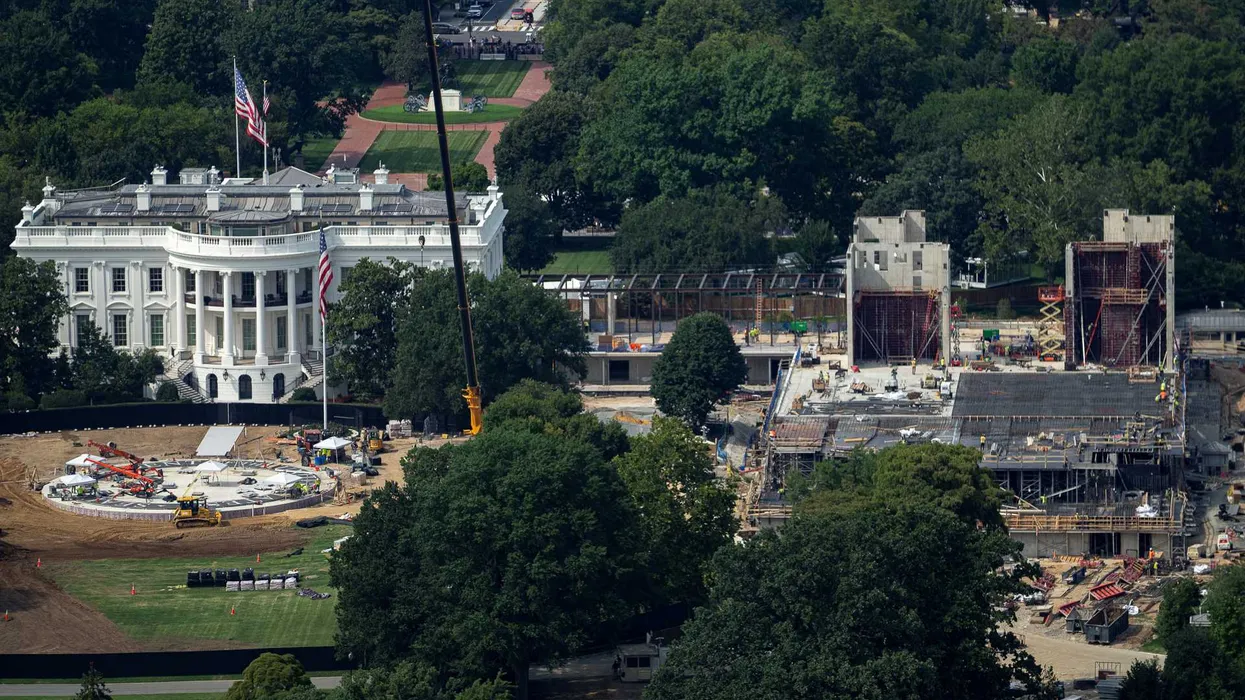
- •Construction on the project is 65% complete, and the administration warned that the injunction would leave an unstable, unfinished 70-foot-tall structure on White House grounds that risks the complex and thwarts Secret Service protection.
- •Citing declarations from senior national security officials, the administration described continuing construction as urgent to protect the continuity of the presidency.
President Donald Trump's solicitor general argued that a preservationist seeking to block the White House ballroom has no more valid a legal claim than doctors traumatized by "witnessing abortions."
Solicitor General D. John Sauer made that argument Wednesday in a reply brief filed with the Supreme Court, asking the justices to allow construction to continue while the administration appeals a court order blocking the project.
The filing comes as the ballroom fight moves into a broader question of whether construction can continue while the underlying legal dispute is still being reviewed, a stage that often determines whether a project is finished, altered, or stopped before the courts reach a final answer.
The brief also compared the preservationist's alleged injury to the disgust felt by a descendant of slaves viewing Confederate memorials, portraying both as too abstract to qualify as a legal harm.
The preservationist at the center of the case is architectural historian Alison Hoagland, a member of the National Trust for Historic Preservation, who says she walks near the White House about once a month and would be harmed by the ballroom's appearance, according to the brief.
Hoagland's claim is the basis of the lawsuit that led to a court order blocking above-ground construction on the $400 million project.
"Hoagland's subjective displeasure about the visual message the finished Project will supposedly send is the opposite of a concrete, particularized injury," the brief said.
"That injury, which exists entirely within Hoagland's mind, is no more cognizable than doctors' profound visual distress at witnessing abortions while at work, or a descendant of slaves feeling disgust from seeing Confederate memorials," the brief said.
Sauer also rejected the argument that Hoagland's harm is permanent, writing that permanence does not make the injury any less trivial.
"The effects of naval exercises in Winter were, after all, quite permanent for the whales," the brief said, citing a Supreme Court case that denied an environmental group's challenge to military drills.
The brief said construction on the project is 65% complete. It also noted that the D.C. Circuit ruled this month that the administration lacked congressional authority to build it, and that the injunction blocking above-ground work is set to take effect Friday, August 22, unless the Supreme Court intervenes.
Continuing construction is "urgent" to protect the "continuity of the Presidency," the brief said, citing declarations from senior national security officials.
The administration warned that the injunction would leave "an unstable, unfinished 70-foot-tall structure on White House grounds, putting the complex at risk and thwarting Secret Service protection."
It added that a prolonged delay would "jeopardize everything" built so far and would be "extremely dangerous."

