WhatsApp Installed on 95% of Nigerian Smartphones, Study Finds
Key Takeaways
- •WhatsApp was installed on 95% of the smartphones sampled in Nigeria, the highest penetration recorded for any consumer mobile app in the study.
- •Meta's platforms dominated the rankings, with Facebook present on 87% of devices, Facebook Messenger on 32%, while Telegram appeared on 27% of the phones surveyed.
- •Businesses increasingly rely on WhatsApp as a commercial channel, with retailers taking orders and financial institutions offering chat-based banking through the app.
- •The report attributed WhatsApp's dominance to its low data consumption, simple setup and smooth performance on affordable entry-level Android smartphones.
- •Smartphone penetration among respondents climbed to 75% in 2025 from 64% in 2023, although the 95% figure reflects installation on urban sampled devices rather than total national users.
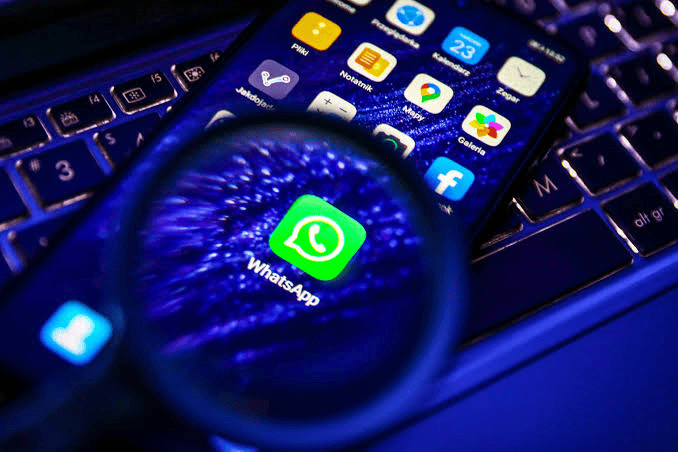
Nearly every smartphone in Nigeria has WhatsApp installed, according to the Nigeria Smartphone Study 2025, a report by Orange Group and KPMG. The messaging app appeared on 95% of the smartphones sampled, giving it a reach that no other consumer app in Africa's most populous country came close to matching.
Facebook Messenger was the second-most-installed messaging platform, at 32%, while Telegram was present on 27% of the devices surveyed. Meta's broader footprint was also significant: Facebook was installed on 87% of the smartphones, underscoring the company's presence across Nigeria's digital channels. With WhatsApp, Messenger and Facebook all Meta-owned, the company's apps occupied the top of the survey's rankings for both messaging and social networking.
The findings indicate that messaging apps serve a role beyond personal communication in Nigeria. They have become an important layer for business activity, particularly for informal commerce and small businesses in the country's cities. WhatsApp functions as a storefront, customer-service desk and trading channel for many businesses.
The report attributes WhatsApp's widespread adoption to practical factors, including its relatively low data usage, simple setup and ability to run smoothly on affordable, entry-level Android smartphones. These features have helped make it a default app on many new phones and one that businesses increasingly build their operations around.
Retailers use WhatsApp to receive orders, while financial institutions offer chat-based banking services through the platform. As a result, the app has become a key digital contact point between businesses, service providers and consumers in Nigeria.
The study's authors cautioned that the 95% figure represents installation across the smartphones included in the sample. It is therefore a snapshot of urban smartphone usage, not a count of total national subscribers or users — and an installed app does not by itself point to regular use.
The survey also documented broader growth in smartphone adoption. Smartphone penetration among respondents reached 75% in 2025, up from 64% in 202, as feature phones increasingly give way to devices that combine communication, commerce and access to digital services. That two-year climb gives the study a built-in benchmark for tracking how quickly the shift away from feature phones continues, and with it the device base on which apps like WhatsApp can draw.
The findings were based on responses collected across 12 major Nigerian cities, including Lagos, Ibadan, Abuja, Kano, Port Harcourt, Benin City and Kaduna.
According to the study, WhatsApp's 95% presence was the highest market penetration recorded among consumer mobile apps, exceeding the levels reported for social media, video-streaming and digital-banking platforms. The report again linked the adoption rate to the app's low-data-use options, straightforward setup and compatibility with affordable, entry-level Android devices.
It also said businesses and service providers are increasingly required to meet consumers on platforms they already use. From retail businesses accepting orders to financial institutions providing chat banking, WhatsApp has become a central digital access point for economic activity in Nigeria.
With smartphone adoption expanding nationwide, the study said messaging apps remain a primary gateway connecting millions of Nigerians with communication, commerce and digital services — a gateway that, on this survey's evidence, runs overwhelmingly through a single app.

