Legal Experts Sound Alarm Over Trump's 'Try, Try Again' Legal Strategy
Key Takeaways
- •Andrew Weissmann and Mary McCord argued on their Tuesday podcast that the Trump administration repeatedly pursues contested policies despite losing in court.
- •The Supreme Court recently lifted one of two lower-court orders blocking Trump's mail-voting executive order, a ruling Weissmann described as procedural and based on ripeness rather than a judgment on the order's legality.
- •McCord explained that the order directs the Department of Homeland Security to compile state-by-state citizenship lists of those who will be 18 by the next election and prioritizes investigation and potential prosecution of state and local officials who allow non-citizens to vote.
- •Weissmann warned the mail-voting order could disproportionately affect certain voters through Postal Service restrictions and said he expects the dispute to reach the Supreme Court again for a ruling on the merits.
- •Plaintiffs challenging Trump's revised birthright-citizenship order have filed a new motion asking a district court to reject it under the reasoning of the Supreme Court's earlier ruling against the policy.
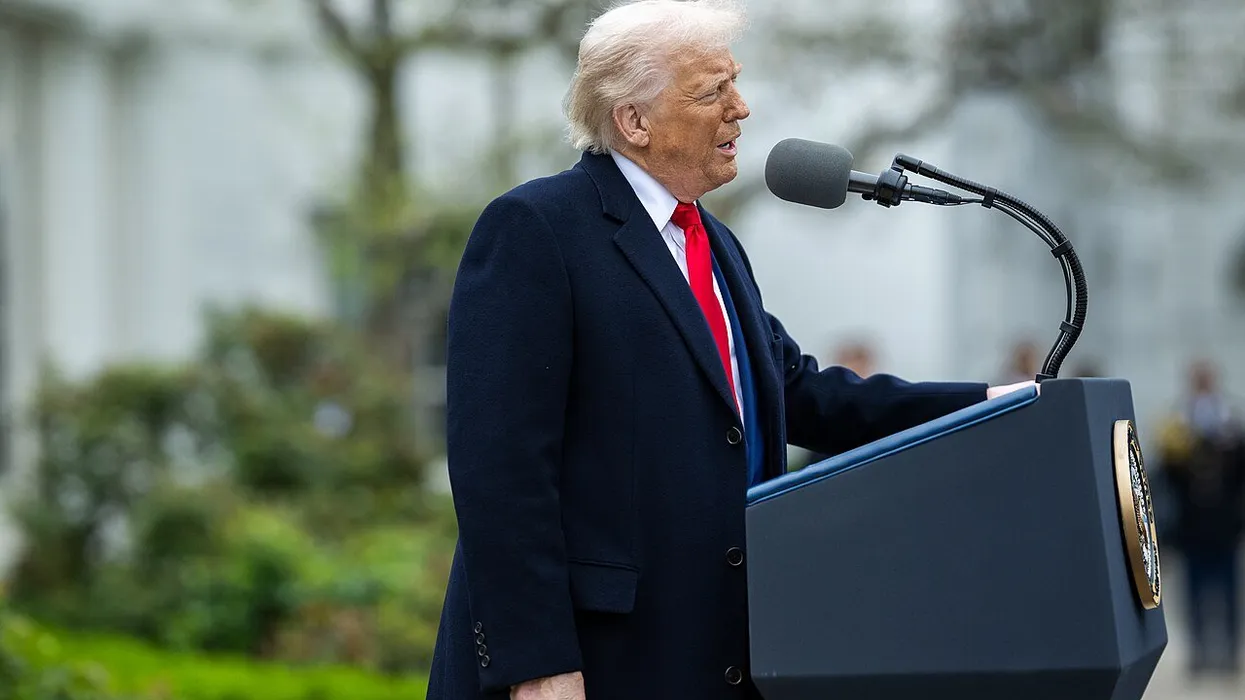
Former FBI General Counsel Andrew Weissmann and Mary McCord, former Acting Assistant Attorney General for National Security, are sounding the alarm over what they see as a recurring strategy of the Donald Trump administration: pursuing contested policies despite legal losses.
Speaking on Tuesday on their podcast, the two lawyers laid out the pattern.
"I call this episode, 'If at first you don't succeed, try, try again,'" McCord said of Trump's legal strategy.
A recent Supreme Court decision lifted one of two lower-court orders blocking Trump's executive action aimed at restricting mail voting. Weissmann emphasized that the Court's ruling was procedural, based on ripeness — meaning the justices concluded the challenge was brought too early — not a decision on whether the order is lawful. He said he expects the dispute to return to the Supreme Court for a ruling on the merits. For election officials and voters, that distinction matters because a procedural win does not settle the underlying legality of the policy, leaving the practical limits of the order still to be tested in later litigation.
Weissmann argued that the executive order could have a disproportionate effect on specific voters through restrictions involving the Postal Service. To illustrate his concern, he offered a hypothetical: what would happen if a president barred the Postal Service from distributing ballots to people perceived as Democrats, or, alternatively, Republicans? In his view, the current order operates as a proxy for a similarly discriminatory outcome, and he worries that language in the Court's recent decision signals the justices may eventually permit it.
Weissmann also recalled Trump's big announcement that they found "all of this illegal voting and ... And then, when you actually looked under the hood, or, in this case, looked at exactly what they were saying, it wasn't there. I mean it was — it was literally — there was no support for it." The lawyers explained that much of that case has ended in litigation.
McCord walked through the executive order's provisions. Section 2A, she said, "directed the Department of Homeland Security to put together a list of citizens in each state who would be 18 years old at the time of the next election and send these out to the states so that they would have this state citizenship list, supposedly just so that states would have them to do whatever they wish."
"Yet, when in section 2B, it says they're prioritizing investigation and, as appropriate, the prosecution of state and local officials who might allow someone who is a non-citizen to vote. And the rhetoric that came with this executive order was very much, we're going to tell you who's a citizen, and if you, state election officials, let somebody vote who's not on that list, we're going to investigate you," McCord characterized.
The "overlay," as they described it, is that the administration likes to report a "spectre of illegal voting" breaking out all over the U.S.
Trump's other battle is his new order to eliminate birthright citizenship for a second time — an executive order that has already been shot down by the U.S. Supreme Court. So, "If at first you don't succeed..."
The lawyers explained that plaintiffs have filed a new motion asking a district court to reject the revised orders, arguing that the new restrictions should fail under the reasoning of the Court's prior ruling. That makes the next round of district-court review a key test of how far the administration can push the same policy after losing on earlier versions, and whether the prior Supreme Court ruling will continue to constrain the revised approach.

