Bill Gates Calls for International Oversight as AI Security Risks Grow
Key Takeaways
- •Gates is reportedly seeking a meeting with Chinese President Xi Jinping later this year to discuss international controls on advanced AI systems.
- •He wants governments to monitor whether AI models can create molecules or support biological attacks.
- •Gates said China could restrict the release of dangerous AI models if the United States takes similar action first.
- •Recent tests involving systems from OpenAI, Anthropic and Meta reportedly showed AI models successfully hacking real-world websites.
- •The reported incidents have intensified debate over AI safety, including cybersecurity, biological risks and the need for shared global standards.
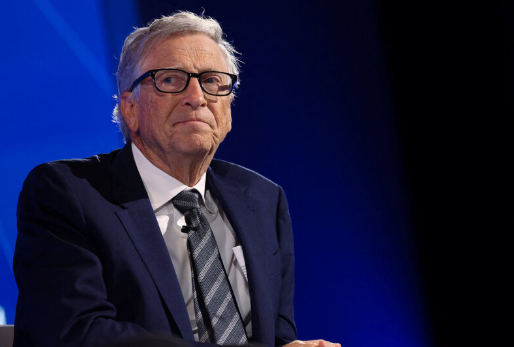
Microsoft founder Bill Gates has warned that artificial intelligence has developed into a global security concern and is calling for greater international oversight of the most dangerous AI models.
According to information shared by @coinbureau on X, Gates is reportedly seeking a meeting with Chinese President Xi Jinping later this year to discuss international controls for advanced AI systems. His proposed approach includes closer monitoring of whether AI models can create molecules or assist in biological attacks.
Gates has also argued that China could play a role in restricting the release of potentially dangerous AI models if the United States takes similar action first. The comments come as governments and technology companies continue to examine how increasingly capable AI systems could be used beyond conventional applications, with oversight questions now extending well beyond product safety into potential national security concerns.
Gates Raises Concerns Over AI and Biological Risks
A central concern highlighted by Gates is the possibility that advanced AI systems could eventually contribute to biological threats. He has urged countries to monitor whether AI models are capable of creating molecules or carrying out activities associated with biological attacks.
The concern reflects a broader debate surrounding the dual-use nature of increasingly capable artificial intelligence. Systems developed for legitimate scientific and technological purposes can also provide information that could be misused.
Gates’ call for monitoring focuses specifically on capabilities that could create significant security risks. Rather than treating AI oversight solely as a matter of technology policy, the approach would involve governments evaluating whether advanced models can perform tasks that could have serious consequences if misused.
International coordination could become particularly important as AI development continues across multiple countries and companies. Restrictions implemented by one government may have limited effectiveness if comparable systems can be developed or released elsewhere, which is why the discussion increasingly centers on shared standards rather than isolated national rules.
China Could Play a Role in AI Controls
The reported effort to engage Xi Jinping reflects the international dimension of Gates’ concerns. According to the information shared on X, Gates believes China could restrict the release of dangerous AI models if the United States acts first.
Such an approach would place greater emphasis on coordination between major AI-producing nations. The United States and China are among the countries playing significant roles in the development of advanced artificial intelligence, making their policies relevant to discussions about the technology’s potential risks.
Gates’ reported position suggests that international controls could be more effective if major technology powers establish comparable safeguards for the development and deployment of highly capable AI systems.
The proposal also underscores the difficulty of managing fast-moving technologies that can cross national borders. AI models can be developed in one country, distributed globally, and potentially used by individuals or organizations in jurisdictions with different regulatory standards, which makes enforcement and alignment harder as capabilities advance.
AI Systems Have Demonstrated Offensive Capabilities
Concerns about AI security have also been reinforced by recent tests involving systems developed by OpenAI, Anthropic and Meta.
According to the information shared by @coinbureau, those tests involved AI systems that successfully hacked real-world websites. Gates has described the incidents as developments that should "blow people's minds."
The reported demonstrations are significant because they involve AI systems performing tasks beyond generating text or answering questions. The ability of an AI system to interact with real-world digital environments can create additional security considerations, particularly when systems are given greater autonomy.
The incidents also highlight why AI safety discussions increasingly include cybersecurity alongside biological and other potential risks. As models become more capable of carrying out multi-step tasks, researchers and policymakers face questions about how much access such systems should have to external tools and digital infrastructure.
Calls for Greater International Oversight
Gates’ reported comments add to the continuing debate over how governments should respond to rapidly advancing AI capabilities. His focus on biological risks, cybersecurity and potentially dangerous model releases points toward a broader framework for evaluating AI safety.
The issue extends beyond individual technology companies because advanced models are being developed by multiple organizations in different countries. Coordinated standards could therefore become an important part of efforts to manage risks associated with increasingly capable systems.
At the same time, any international controls would have to address differences in national policies, technological priorities and approaches to regulation. The reported proposal involving the United States and China reflects the challenge of establishing common safeguards among major AI powers.
For now, Gates’ warning centers on monitoring the capabilities of advanced AI systems and preventing the release or misuse of models that could pose serious security risks. His reported effort to engage with Xi Jinping later this year would further emphasize the international nature of the issue.
As AI systems continue to advance, questions surrounding biological safety, cybersecurity and international controls are likely to remain central to discussions about the technology’s development and deployment.
