Vietnamese Civilian Massacre Victims File Second Petition with South Korea's Truth and Reconciliation Commission
Key Takeaways
- •The Korean-Vietnamese Peace Foundation submitted a second petition to Korea’s Truth and Reconciliation Commission on behalf of eight surviving victims and one bereaved family member.
- •The petition seeks a formal investigation into alleged massacres in Quang Nam Province in February 1968 and Quang Ngai Province in November 1966.
- •The foundation says one alleged massacre killed 135 civilians, while another killed 73 civilians.
- •The first petition was rejected in May 2023 after the commission said wartime human rights violations against foreigners were outside its mandate.
- •The case is now before the Supreme Court, which is considering whether the commission can investigate wartime acts committed outside Korea against non-citizens.
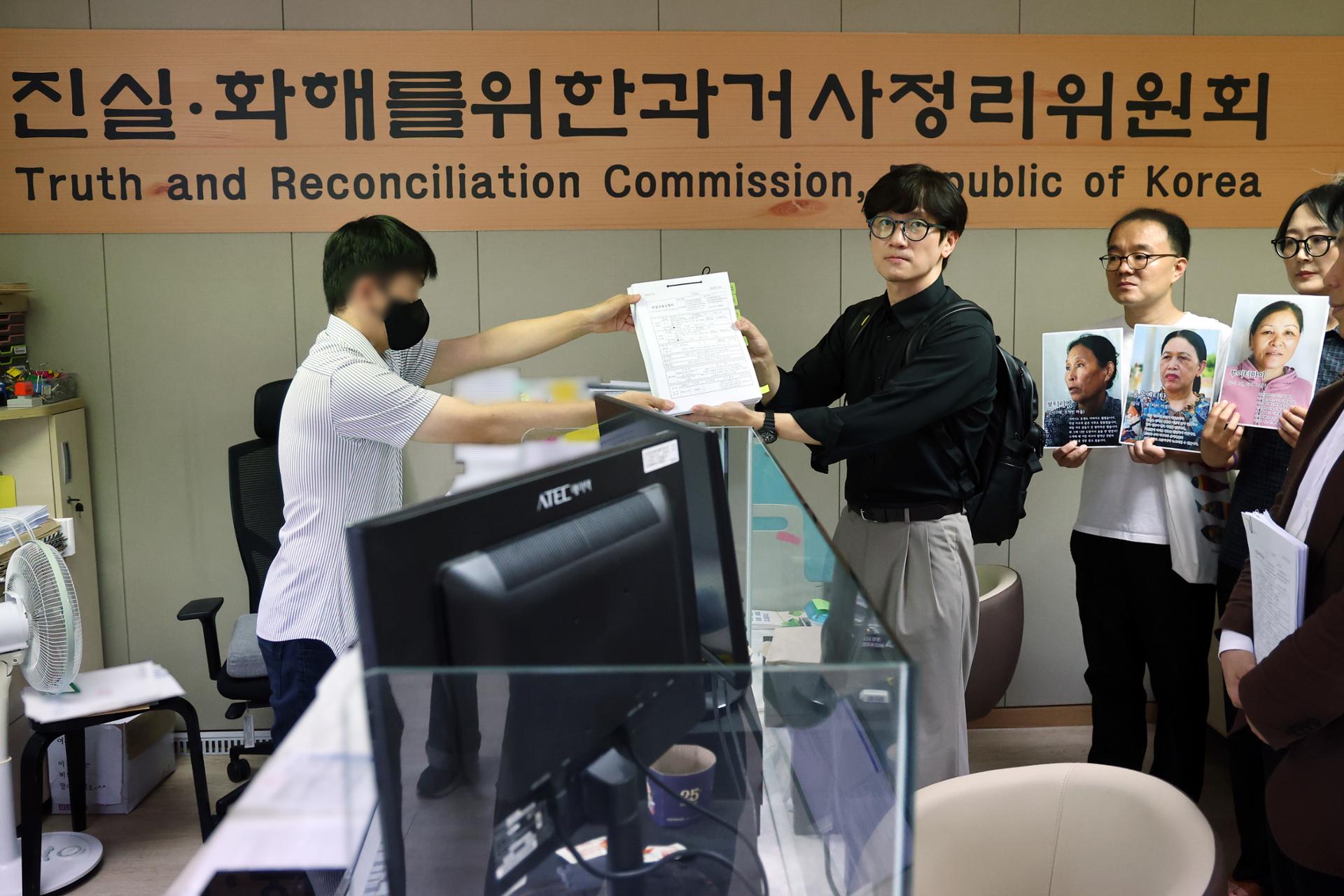
Victims and bereaved families of alleged mass killings of Vietnamese civilians by South Korean forces during the Vietnam War have filed a second petition with Korea's Truth and Reconciliation Commission (TRC), seeking a formal truth investigation.
On Thursday, the Korean-Vietnamese Peace Foundation visited the TRC headquarters in downtown Seoul and submitted an application on behalf of eight surviving victims and one bereaved family member. The petition calls for an investigation into alleged massacres carried out in the 1960s.
According to the foundation, one massacre took place in a village in Quang Nam Province in February 1968, killing 135 civilians, while another occurred in Quang Ngai Province in November 1966, leaving 73 civilians dead. South Korea deployed approximately 320,000 troops to Vietnam between 1964 and 1973 as part of the U.S.-led war effort, the largest foreign contingent after American forces, and longstanding allegations of civilian killings by South Korean units in provinces like Quang Nam and Quang Ngai have been documented by South Korean and Vietnamese researchers over the past two decades.
The renewed application follows the dismissal of the foundation's first petition in May 2023 by the then second-term TRC, which ruled that human rights violations against foreigners committed during the Vietnam War fall outside its statutory mandate. The Vietnamese plaintiffs subsequently filed an administrative lawsuit challenging the commission's decision, but both the lower court and the appellate court ruled in favor of the TRC. The case is currently pending before the Supreme Court.
Observers anticipate the case could enter a new phase, as the current third-term TRC — which officially launched in February of this year — has reportedly adopted a more forward-looking stance on the need for a truth investigation. Notably, the TRC acknowledged the necessity of a state-level investigation into the alleged civilian massacres in a supplementary written submission to the Supreme Court on July 9. The Supreme Court's eventual ruling on whether the TRC's mandate can extend to wartime acts committed outside Korea against non-citizens is expected to shape the legal framework for addressing the grievances, which have been a recurring point of civil society engagement between the two countries since diplomatic normalization in 1992.
Source: The Korea Times

