Israeli PM Netanyahu Reiterates Opposition to Palestinian State, Cites Conversation with U.S. Vice President Vance
Key Takeaways
- •Netanyahu reiterated that he opposes the establishment of a Palestinian state and has held that position throughout his premiership.
- •He said he recently spoke with U.S. Vice President JD Vance, indicating continued U.S.–Israel engagement on the issue.
- •The comments were made amid ongoing talks about Gaza’s ceasefire and reconstruction after Hamas’s October 7, 2023 attack on Israel.
- •More than 140 countries recognize Palestine as a state, including Spain, Norway, and Ireland, which extended recognition in 2024.
- •Prediction markets currently assign less than a 20% chance of U.S. recognition of Palestine before 2027.
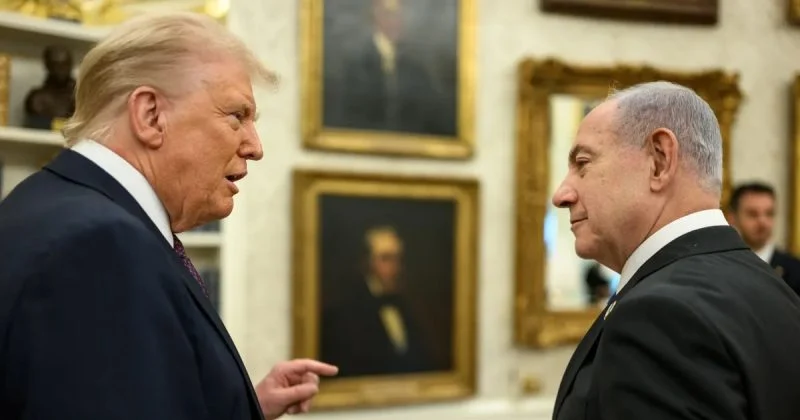
Israeli Prime Minister Benjamin Netanyahu has reiterated his opposition to the establishment of a Palestinian state, according to a statement in which he also noted a recent conversation with U.S. Vice President JD Vance.
Netanyahu's position aligns with his previous statements rejecting Palestinian statehood, a stance he has maintained throughout his premiership. His remarks come amid ongoing discussions surrounding Gaza's ceasefire and reconstruction following the conflict triggered by Hamas's October 7, 2023 attack on Israel. The conversation with Vice President Vance highlights continued U.S.–Israel engagement on the matter, though there is no indication of any shift in the U.S. approach to recognizing a Palestinian state.
Netanyahu's remarks come at a critical juncture in the Israel–Palestine conflict, where the prospect of a two-state solution remains a major subject of international dialogue. The Israeli government's firm rejection of a Palestinian state stands in contrast to U.S. public discussions that have included Palestinian statehood as part of a broader settlement framework. The Trump administration's first term saw the brokering of the Abraham Accords, which normalized relations between Israel and several Arab states without directly advancing Palestinian statehood, and earlier actions such as recognizing Jerusalem as Israel's capital and relocating the U.S. embassy there. Meanwhile, more than 140 countries currently recognize Palestine as a state, including several European nations such as Spain, Norway, and Ireland that extended recognition in 2024.
In prediction markets, Netanyahu's explicit opposition is reflected in the already low probability assigned to U.S. recognition of Palestine before 2027. Current market odds for this scenario remain below 20%, with the latest figures ranging from 4.1% to 16.5% across various sub-markets.
Netanyahu's remarks reinforce Israel's longstanding opposition to Palestinian statehood, suggesting continuity in Israeli policy. The conversation with Vice President Vance signals ongoing diplomatic engagement but does not imply a change in the U.S. position on the issue.
Market pricing indicates that participants view the probability of U.S. recognition of Palestine before 2027 as low, consistent with Netanyahu's firm stance. Observers will be monitoring for any further statements or policy adjustments from the U.S. following Netanyahu's comments, as well as responses from major international actors, including the United Nations, the European Union, and other key nations involved in the recognition dynamics.

