U.S. Navy Sailors Aboard USS Abraham Lincoln Face Deepening Crisis as Iran Deployment Drags On
Key Takeaways
- •The USS Abraham Lincoln has been at sea for over 250 consecutive days without a port call, the longest such deployment in U.S. aircraft carrier history.
- •Families of the 5,000 sailors warned Acting Navy Secretary Hung Cao during a San Diego town hall that they fear suicides among the crew.
- •Sailors report critical shortages of food, hygiene supplies, and undelivered mail, along with severe physical and mental exhaustion.
- •Defense Secretary Pete Hegseth denied supply problems in April, but conditions have reportedly worsened significantly since then.
- •At least one crew member had to be physically prevented by colleagues from jumping overboard, according to family reports.
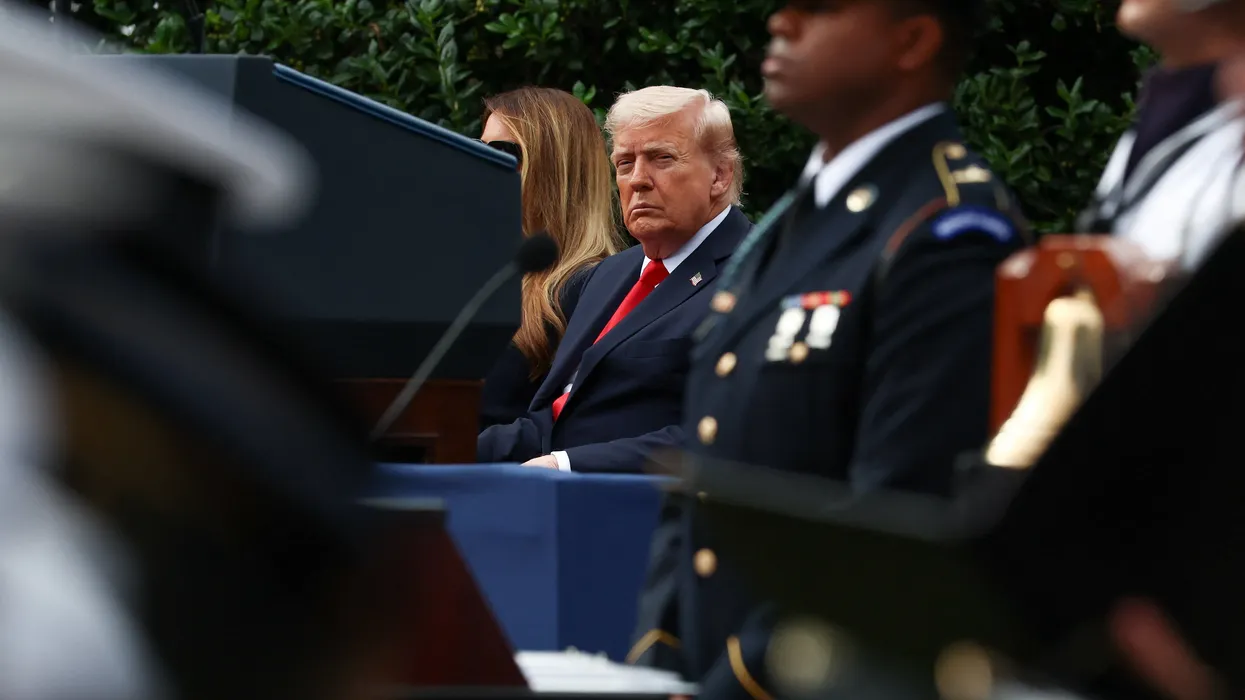
Five and a half months into the war with Iran, U.S. Navy personnel serving aboard the USS Abraham Lincoln are experiencing what sources describe as a severe and worsening morale and welfare crisis, with families raising urgent concerns about the mental and physical health of the 5,000 sailors on board.
According to reporting by Simon Marks in the UK-based i Paper, crew members feel increasingly abandoned by President Donald Trump and Defense Secretary Pete Hegseth. "Families say the mental health of sailors is now at immediate risk," Marks reports. "They reported at least one incident in which a crew member was prevented by his colleagues from jumping overboard." (i Paper)
The nuclear-powered aircraft carrier has now been at sea for more than 250 consecutive days — over 40 of them engaged in combat operations with Iran — setting a new record for the longest continuous deployment without a port call in U.S. aircraft carrier history. The milestone underscores the extraordinary strain on a fleet that, under standard practice, relies on regular port visits to restock provisions, conduct maintenance, and give crews critical downtime away from a high-stakes operational tempo. Carrier deployments typically run six to nine months, with scheduled stops that serve as an essential pressure valve for mental health and unit cohesion.
Conditions aboard the Lincoln reportedly began deteriorating months ago. In April, barely a month into the conflict, sailors took to social media to voice complaints about dwindling food supplies. Images shared with family members and subsequently leaked to the press appeared to corroborate the claims, showing meals consisting of little more than boiled carrots and unidentifiable dried meat. Crew members aboard the nearby USS Tripoli raised similar grievances.
At the time, Hegseth denied that any supply problems existed, stating that the vessels carried more than 30 days of provisions for their crews. Four months later, the situation has only intensified.
Citing recent reporting from Stars and Stripes, Marks notes that families of Navy service members voiced their alarm during a town hall event in San Diego. (Stars and Stripes)
"Families reportedly warned Acting Secretary of the Navy Hung Cao that they were increasingly fearful of suicides among the men and women serving aboard the carrier," Marks writes. "The 5,000 men and women aboard the carrier say food and basic hygiene supplies are running low, physical and mental exhaustion is setting in, and letters and care packages sent from home have failed to reach the ship for months."
The crisis aboard the Lincoln draws attention to a challenge the Navy has confronted across multiple administrations: maintaining the psychological well-being of forces during sustained deployments. Extended periods at sea without respite have been linked in military health studies to elevated rates of anxiety, depression, and burnout among service members.
A U.S. Navy service member quoted by Stars and Stripes issued a direct appeal: "Our mental health and physical health is in danger. We need help."
