US Natural Gas Extends Drop as Production and Inventories Stay High
Key Takeaways
- •Average US Lower 48 natural gas output rose to 110.6 bcfd so far in July, up from 110.0 bcfd in June.
- •Natural gas inventories were 6.4% above the five-year seasonal average on July 17 and were expected to be 6.6% above normal for the week ending July 24.
- •LNG gas flows to major export terminals averaged 17.2 bcfd so far this month, down from 17.4 bcfd in June.
- •The decline in LNG demand partly reflected scheduled maintenance at Freeport LNG's Texas facility.
- •Temperatures are forecast to remain mostly above normal through August 11, which may support gas demand for power generation.
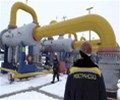
US natural gas futures fell to $2.73 per MMBtu, extending losses to their lowest level in nearly 12 weeks, as strong production, comfortable inventory levels and weak LNG feedgas demand continued to weigh on prices.
Average gas output in the US Lower 48 states rose to 110.6 bcfd so far in July from 110.0 bcfd in June, matching the monthly record high reached in December 2025.
The increase in production has added to concerns about an oversupplied market, especially as storage remains well above its seasonal norm. Inventories remained 6.4% above the five-year seasonal average as of July 17 and were expected to rise to 6.6% above normal for the week ending July 24.
LNG export demand also softened, with gas flows to major export terminals averaging 17.2 bcfd so far this month, down slightly from 17.4 bcfd in June. The decline partly reflected scheduled maintenance at Freeport LNG’s facility in Texas.
Even with those supply-side pressures, weather still matters for near-term demand because hotter-than-normal temperatures typically lift gas use by power generators for cooling. Temperatures are forecast to remain mostly above normal through August 11, which is likely to keep that seasonal demand support in place while traders watch whether production, storage and LNG flows shift enough to change the balance. Source: Trading Economics

