Kazakhstan Resumes CPC Oil Exports After Week-Long Black Sea Shutdown
Key Takeaways
- •Kazakhstan restarted crude exports through the CPC pipeline after the Novorossiysk marine terminal reopened.
- •The suspension was triggered by repeated drone attacks on vessels operating near the Black Sea facility.
- •Kazakhstan ordered producers to cut output during the outage to avoid storage tanks filling up.
- •Reuters-cited industry data showed Kazakhstan’s oil and gas condensate production fell to about 1 million barrels per day on Sunday from an average 2.16 million barrels per day in June.
- •The CPC route carries more than 80% of Kazakhstan’s crude exports and is relied on by major producers including Chevron and ExxonMobil.
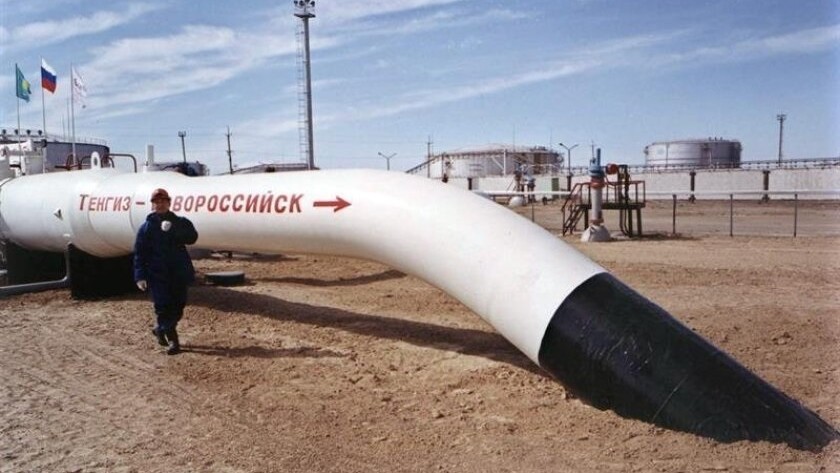
Kazakhstan resumed crude exports through the Caspian Pipeline Consortium (CPC) on Monday after the operator reopened its Black Sea marine terminal and began accepting crude from producers again, following a week-long suspension triggered by drone attacks, Kazakhstan’s Astana Times reported.
Two tankers were loading crude from the Chevron-led Tengizchevroil project at the Novorossiysk terminal, while producers resumed delivering oil into the CPC pipeline system, Kazakhstan’s Energy Ministry said. The ministry added that export operations would continue subject to ongoing security assessments.
The reopening followed last week’s suspension of crude intake and tanker loadings at the terminal after repeated drone attacks on vessels operating at or near the facility. Kazakhstan later ordered producers to curb output to prevent storage facilities from filling after access to the export system was cut off, underscoring how quickly a single outlet can affect a country that depends on one route for the bulk of its crude shipments.
Industry data cited by Reuters showed Kazakhstan’s oil and gas condensate production fell to 133,200 metric tons, or about 1 million barrels per day, on Sunday, down from an average 2.16 million bpd in June.
CPC separately confirmed that pipeline operations resumed at 12:28 p.m. Moscow time. The ministry did not say how quickly production would return to normal levels.
The 1,500-kilometer CPC pipeline carries crude from Kazakhstan’s giant Tengiz oilfield across southern Russia to the Black Sea port of Novorossiysk and transports more than 80% of Kazakhstan’s crude exports. International producers including Chevron and ExxonMobil rely on the route to move Tengiz production to global markets, making the terminal’s status closely watched by traders and shippers whenever disruptions hit the corridor.
The Chevron-chartered Suezmax tanker Asia was also positioned at the terminal on Monday, according to LSEG vessel-tracking data cited by Reuters. Chevron said it continues to monitor the situation at CPC and declined to comment further, according to the company’s statement to Reuters.
The disruption briefly removed more than 1 million bpd of Kazakh production from the market, adding another supply risk as global oil flows remain under pressure from disruptions affecting both Black Sea and Middle East shipping routes. For Kazakhstan, the episode highlights the operational sensitivity of an export system concentrated through a single pipeline and marine terminal, with any further changes likely to depend on security conditions and throughput at Novorossiysk.
By Charles Kennedy for Oilprice.com

