US Military Operations Against Iran Strain Global Precision Munitions Stockpiles
Key Takeaways
- •Operation Epic Fury was launched on February 28, 2026, and has targeted more than 13,000 positions across Iran over five months of sustained combat operations.
- •The US had consumed more than half of its Tomahawk cruise missile inventory by early August 2026, with Patriot and THAAD interceptor stocks also substantially depleted.
- •Annual Patriot missile production of approximately 600 to 700 units is insufficient given that a single large-scale Iranian attack can consume dozens of interceptors in minutes.
- •President Trump publicly rejected concerns about a munitions shortage around August 6, 2026, claiming the United States maintains weapons capacity superior to any other nation.
- •Replenishment timelines extending into the late 2020s or beyond could constrain US military force-planning assumptions across multiple regions, including the Indo-Pacific.
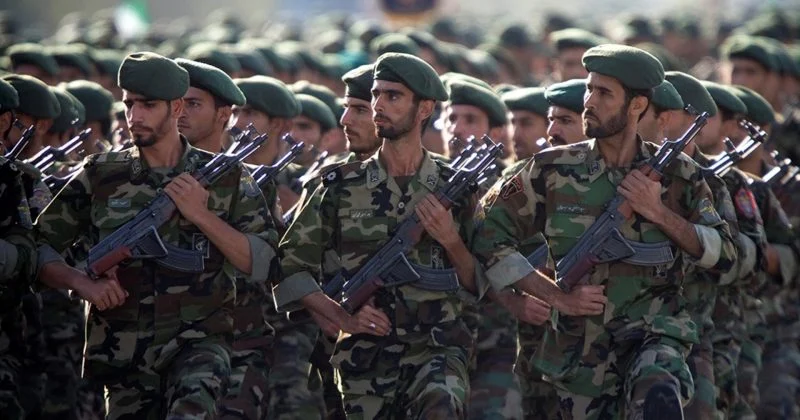
The United States military has been conducting sustained combat operations against Iran since late February 2026. Five months into what has been designated Operation Epic Fury, the Pentagon has expended virtually its entire global stockpile of long-range precision missiles, according to reports emerging in early August 2026.
Scale of Operation Epic Fury
Launched on February 28, 2026, Operation Epic Fury has targeted more than 13,000 positions across Iran. The campaign has involved extensive airstrikes and missile exchanges, with US forces deploying Tomahawk cruise missiles, ATACMS (Army Tactical Missile System), and other precision-guided munitions.
By early August, the US had reportedly consumed more than half of its Tomahawk cruise missile inventory. Interceptor systems face a similarly acute shortfall, with Patriot and THAAD missile defense stocks substantially depleted following months of engagements repelling Iranian drone and missile strikes against US and allied bases across the Gulf region. The strain echoes munitions consumption patterns observed during Russia's war in Ukraine, where sustained high-intensity conflict rapidly outpaced pre-war production assumptions for artillery shells, interceptors, and guided rockets.
White House Response
President Trump publicly dismissed concerns about a munitions crisis on or around August 6, asserting that the United States maintains superior weapons capacity compared to any nation on earth. He pointed to ongoing production ramp-ups designed to replenish expended stocks.
Production Constraints
Patriot missile production currently runs at approximately 600 to 700 units per year. By contrast, a single large-scale Iranian attack can consume dozens of interceptors in a matter of minutes. Lockheed Martin, the prime contractor for PAC-3 interceptors, has been working under multiyear contracts to expand output, but accelerating production faces bottlenecks in solid-rocket motor supply, specialized components, and a precision-manufacturing workforce that has atrophied over decades.
The depletion of ATACMS, the Army's primary long-range tactical missile, is particularly notable given that the US had already been supplying these systems to Ukraine prior to the onset of the Iran conflict. ATACMS production lines had been winding down in favor of the successor Precision Strike Missile program, complicating efforts to surge replacement inventory. The Tomahawk supply chain, centered on Raytheon (RTX), similarly faces multi-year lead times for key subcomponents.
Broader Strategic Implications
The situation exposes a structural vulnerability in how the US has managed its defense industrial base over the past several decades. Consolidation within the defense sector since the post-Cold War drawdown of the 1990s has reduced the number of prime contractors and production lines available for critical munitions. Establishing new production capacity requires skilled labor, specialized facilities, and resilient supply chains that take years to develop.
The sustained consumption rate against Iran also raises questions about US readiness posture in other theaters, particularly the Indo-Pacific, where Pentagon war-gaming has long assumed significant precision-strike inventories would be needed in any major contingency. With global stocks drawn down by overlapping commitments to Ukraine and now Iran, replenishment timelines extending into the late 2020s or beyond could constrain US force-planning assumptions across multiple regions simultaneously.

