US Says It Will Continue to Sever Iran’s Economic Lifelines
Key Takeaways
- •The reported statement did not identify any new sanctions package, financial restriction, or enforcement action.
- •The United States has long used sanctions to target Iranian energy, finance, trade, shipping, metals, and banking activities.
- •OFAC administers much of the sanctions framework, including designations that block assets and can affect access to the U.S. financial system.
- •Sanctions tied to Iran’s nuclear program were eased after the 2015 JCPOA and then reimposed and expanded after the U.S. withdrew in 2018.
- •The article says oil exports remain a key pressure point because they are a major source of Iranian government revenue.
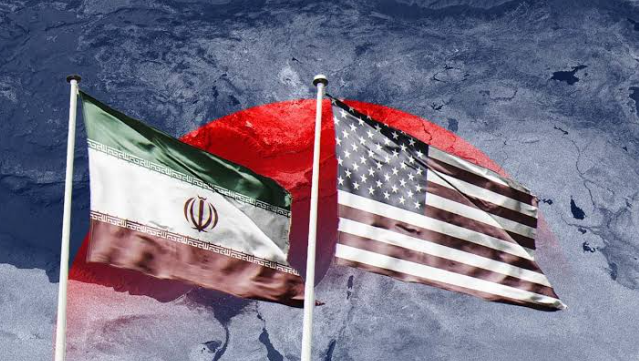
The statement was reported by BRICS News and did not include additional details about the specific measures being referenced. It also did not identify any new sanctions, financial restrictions, or other policy actions accompanying the remark.
The language reflects the broader use of economic pressure as an instrument of U.S. foreign policy toward Iran. Washington has previously used sanctions and other restrictions to target Iranian economic activity, particularly in areas linked to energy, finance, and international trade. That approach has deep roots: U.S. restrictions on Iran began after the 1979–81 hostage crisis, expanded into a broad trade embargo in the mid-1990s, and have since been tightened repeatedly over Iran's nuclear program, its missile activities, and other actions Washington considers destabilizing.
US Maintains Pressure on Iran's Economy
Economic sanctions are among the principal tools the United States uses to pressure governments and organizations it considers to be acting against U.S. interests. In Iran's case, American restrictions have covered multiple parts of the economy over several years. Much of this framework is administered by the Treasury Department's Office of Foreign Assets Control (OFAC), which maintains lists of sanctioned Iranian banks, companies, vessels, and individuals. Designations block U.S.-linked assets and can cut targets off from dollar transactions, while “secondary sanctions” extend the risk of losing access to the U.S. financial system to foreign banks and firms that continue dealing with blacklisted Iranian entities.
The reported statement indicates that the United States intends to continue its efforts to restrict Iran's economic connections. The phrase “sever every economic lifeline” suggests a broad approach, although the original post does not specify which economic channels or sectors are included.
No details were provided about the timing, scope, or implementation of any particular measures. As a result, the statement alone does not establish that a new sanctions package or enforcement action has been announced.
Economic restrictions can involve limits on financial transactions, trade, investment, and access to international markets. The precise impact of any measure depends on its design, enforcement, and the entities affected.
Iran's Economic Links Remain a Focus of US Policy
Iran's economy has long been subject to U.S. sanctions, with restrictions affecting its ability to conduct certain transactions with international counterparties. The United States has used these measures as part of its broader policy toward Tehran. The intensity has shifted alongside diplomacy: sanctions tied to Iran's nuclear program were eased after the 2015 Joint Comprehensive Plan of Action (JCPOA), then reimposed and expanded after the U.S. withdrawal from the accord in 2018, under an approach the Trump administration described as “maximum pressure,” which singled out Iran's oil sales, shipping, metals, and banking sectors.
The latest statement places economic pressure at the center of Washington's stated approach. However, the available information does not specify whether the comments refer to Iran's oil exports, banking system, trade relationships, or another part of its economy. Oil sales are the most prominent such lifeline: crude exports are a major source of Iranian government revenue, and tanker-tracking estimates widely cited in recent years have shown China as the dominant destination for Iranian crude. Access to tens of billions of dollars in past oil revenues held in frozen or escrow accounts abroad has also repeatedly featured in sanctions-related disputes.
The lack of additional detail makes it difficult to determine whether the statement represents a continuation of existing policy or signals specific new actions. The instruments that make such intentions concrete are well established — new OFAC designations, determinations under existing executive orders, waivers, and enforcement actions against shippers, refiners, or banks handling Iranian trade — and those steps are announced through official Treasury and State Department channels. Further announcements from U.S. authorities would be needed to establish the exact measures being considered or implemented.
Broader Implications of Economic Restrictions
Efforts to restrict a country's economic lifelines can affect international businesses, financial institutions, and trading partners that maintain commercial relationships with the targeted country. U.S. sanctions can also have implications beyond American companies when foreign entities face restrictions or penalties for certain dealings with sanctioned Iranian entities.
The original statement, however, does not provide information about potential effects on Iran's economy, international trade, or global markets. It also does not include a response from Iranian authorities.
For businesses and financial institutions, the scope and enforcement of sanctions are generally important considerations when evaluating transactions involving Iran. Any new measures would need to be assessed based on their specific terms and applicable rules.
For now, the reported U.S. position is that Washington intends to continue efforts to “sever every economic lifeline” Iran has. The statement underscores the continued use of economic pressure as part of U.S. policy toward Tehran, while leaving the details of any future actions unspecified.
