US-Iran Ceasefire Framework in Doubt as Tehran Announces Bounty for U.S. Soldiers
Key Takeaways
- •Iranian Army Chief Amir Hatami announced a reported 5 billion-toman reward for killing or capturing a U.S. soldier and turning the person over to Iranian military authorities.
- •Reuters reported that the diplomatic framework has broken down, with Iran saying it was not discussing an extension and President Donald Trump declaring the ceasefire over on July 7.
- •The original U.S.-Iran memorandum was intended to pause military operations for 60 days while negotiations continued on issues including sanctions, the nuclear program and the Strait of Hormuz.
- •Commercial shipping through the Strait of Hormuz has reportedly fallen sharply below normal levels as tensions have risen.
- •Any further escalation could disrupt energy supplies, lift oil prices and add pressure to inflation and financial markets.
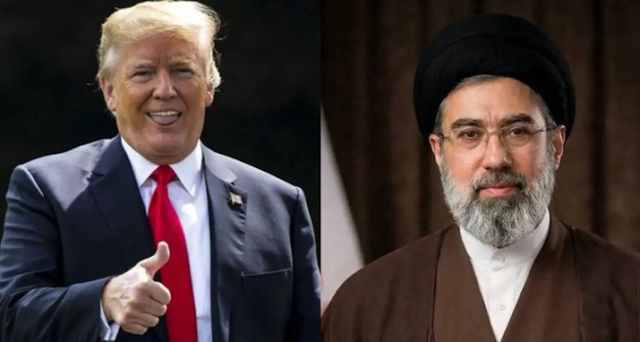
The diplomatic framework between the United States and Iran is facing renewed uncertainty as the deadline tied to a 60-day negotiating period draws near, while Iranian military officials have announced a reward for anyone who kills or captures a U.S. service member.
The developments have intensified concerns that the conflict could enter another dangerous phase, with the possibility of renewed military action adding pressure to an already unstable Middle East and to energy routes that much of the world depends on.
One clarification, however, is needed: the claim that a U.S.-Iran ceasefire memorandum formally “expires today” should be treated with care. A senior Iranian official said on Aug. 12 that Tehran was not discussing an extension of the ceasefire and wanted Washington to return to the terms of an earlier interim agreement. Reuters also reported that President Donald Trump declared the ceasefire over on July 7. The current situation is therefore better understood as a breakdown of the diplomatic framework than as the simple expiration of an active ceasefire.
The renewed uncertainty comes as tensions remain high between Washington and Tehran, particularly over military deployments, sanctions and the strategically important Strait of Hormuz, where even limited disruption can quickly become a broader test for shipping and energy security.
Iran Announces $30,000 Reward for U.S. Soldiers
In a separate and highly provocative development, Iranian Army Chief Amir Hatami announced a reward of 5 billion tomans, reported by multiple outlets as approximately $30,000, for anyone who kills or captures a U.S. soldier and hands the individual over to Iranian military authorities.
The announcement was made at an event in Tehran on Aug. 16 and was described as a response to requests from people seeking to take part in what Iranian officials characterized as financial support for the conflict. Reports also said the reward would be higher if an Iranian woman carried out the act. The announcement did not identify a specific location where U.S. troops could be targeted or provide operational details.
The bounty marks a significant escalation in rhetoric and underscores the increasingly hostile relationship between the two countries. It also comes at a time when U.S. military forces remain deployed across parts of the Middle East, raising concerns about potential attacks on American personnel and facilities.
Ceasefire Framework Faces New Uncertainty
The original U.S.-Iran memorandum was designed to halt military operations and establish a 60-day period for negotiations toward a longer-term agreement. The framework reportedly included commitments related to military activity, sanctions, the Iranian nuclear program and navigation through the Strait of Hormuz.
Negotiations have since deteriorated. According to Reuters, Iran said earlier this month that there were no discussions about extending the ceasefire and that Washington needed to return to the provisions of the earlier interim agreement. Tehran has also demanded changes involving sanctions and frozen Iranian assets.
The collapse of negotiations has left the region without a clear diplomatic roadmap. That uncertainty is particularly concerning because even a relatively small military incident could potentially trigger a broader exchange of attacks, especially while both sides continue to frame the dispute in security and military terms.
Strait of Hormuz Remains a Major Flashpoint
One of the most important issues in the dispute is the Strait of Hormuz. The narrow waterway is a critical route for international energy shipments and has become increasingly central to the conflict between Iran and the United States. Any prolonged disruption could affect crude oil supplies, shipping costs, insurance premiums and global inflation.
Recent reports indicate that commercial shipping through the strait has been severely disrupted as tensions have risen. Reuters reported that only a small number of vessels had passed through the waterway in recent days, significantly below normal levels, a development that has already drawn the attention of energy markets. If the conflict escalates further and shipping through the strait becomes even more restricted, oil prices could face another major shock.
Risk of Another Round of Military Strikes
The greatest concern for investors and governments is whether the breakdown in diplomacy could lead to renewed strikes. The United States and Iran have already exchanged threats, while regional military forces and allied groups remain active.
Iran has repeatedly warned that any new U.S. military action could trigger retaliation against American interests in the region. Washington, meanwhile, has maintained pressure on Tehran over its nuclear program, military capabilities and regional activities.
The bounty announcement adds another layer to the confrontation because it directly encourages attacks against American personnel. While it does not necessarily indicate that an immediate attack is planned, it demonstrates the increasingly aggressive rhetoric coming from Iranian military leadership and helps explain why military and diplomatic officials alike are watching the situation so closely.
Global Markets Could Feel the Impact
A renewed U.S.-Iran conflict would not be limited to the Middle East. Energy markets would likely be among the first to react. The Strait of Hormuz is one of the world's most important energy shipping corridors, meaning any serious disruption could push crude oil prices higher. Higher energy prices could in turn contribute to renewed inflation pressures, particularly in countries that depend heavily on imported oil. Financial markets could also become more volatile as investors reassess geopolitical risks.
For cryptocurrency investors, the consequences could be particularly complicated. Bitcoin and other digital assets have increasingly been treated by some investors as alternative assets during periods of monetary and geopolitical uncertainty. At the same time, major geopolitical shocks can prompt investors to reduce exposure to riskier assets and move toward cash, U.S. government bonds or other traditional safe-haven investments. The direction of Bitcoin would therefore depend on how markets interpret the conflict and its potential economic consequences.
Coin Bureau Highlights Rising Geopolitical Risk
The latest developments have also attracted attention from cryptocurrency market observers, including the X account @coinbureau. The account has discussed the broader implications of the Iran conflict, particularly the potential impact of geopolitical tensions, energy prices and global financial markets.
The growing interest from the crypto community reflects the increasingly important connection between geopolitical events and digital-asset markets. A prolonged conflict could affect inflation expectations, central-bank policy and investor risk appetite, all of which can influence Bitcoin and other cryptocurrencies.
What Happens Next?
The immediate focus will be on whether Washington and Tehran can reopen meaningful diplomatic channels. The absence of an agreed extension to the previous framework leaves both sides facing greater uncertainty. For Iran, continued confrontation risks additional economic and military pressure. For the United States, renewed attacks could increase the cost and complexity of maintaining military operations throughout the region.
The situation is also being closely monitored by Gulf states and other countries that could be affected by disruptions to energy supplies and maritime trade.
For now, there is no confirmed indication that a new large-scale U.S. military strike is imminent. But the combination of stalled negotiations, aggressive rhetoric and the reported bounty for U.S. personnel has increased concerns that the conflict could deteriorate further. The next developments involving the U.S., Iran and the Strait of Hormuz could therefore have consequences well beyond the region, potentially affecting oil prices, inflation, financial markets and global investor sentiment.
Source: Hokanews

