US and Iran Reportedly Extend 60-Day Ceasefire as Tensions Persist
Key Takeaways
- •The reported ceasefire extension lasts for 60 days and is described as an agreement between the United States and Iran.
- •The truce is linked to efforts to de-escalate tensions surrounding nuclear talks and the Strait of Hormuz.
- •The Strait of Hormuz is a major route for global oil and liquefied natural gas shipments, making it important to energy and shipping markets.
- •Prediction market activity on Kalshi shifted in response to the report, with traders viewing the extension as supportive of a YES outcome in the relevant market.
- •Observers are awaiting official confirmation and will monitor shipping traffic, tanker data, and regional developments for signs of whether the ceasefire holds.
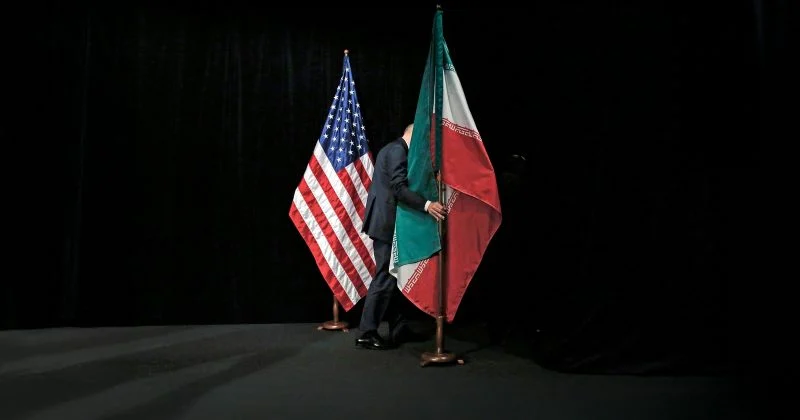
The United States and Iran have reportedly agreed to extend a 60-day ceasefire, according to a tweet from @Kalshi, the US prediction market exchange regulated by the Commodity Futures Trading Commission.
The reported extension comes amid ongoing tensions between Washington and Tehran and follows earlier reports that no negotiations were taking place over a prolongation of the truce. The ceasefire forms part of broader efforts to de-escalate a conflict linked to nuclear talks between the two countries and the reopening of the Strait of Hormuz, the narrow maritime chokepoint between Iran and Oman through which roughly a fifth of the world's seaborne oil passes. By US Energy Information Administration estimates, a comparable share of global liquefied natural gas trade, much of it from Qatar, also transits the strait, making the waterway a focal point for global oil, gas, and shipping markets even when hostilities ease.
Despite the extension, the situation remains fragile. The reported deal points to a temporary de-escalation of hostilities, but the underlying conflict is still unresolved and dependent on further diplomatic efforts. The fixed 60-day structure also keeps diplomacy on a defined clock: unless the truce is prolonged again or replaced by a longer-term arrangement, the same questions about extension will resurface before the new window closes.
The development quickly registered in prediction markets. Market activity reflected the news as consistent with an increased likelihood of a formal agreement affecting Strait of Hormuz traffic, and current market pricing suggested that participants may view the ceasefire extension as supportive of a YES outcome in the US-Iran Hormuz Agreement market. On Kalshi, traders can buy and sell contracts on the outcomes of real-world events, including geopolitical developments, with prices moving as the perceived probability of an outcome changes.
Observers will now be watching for official joint statements from the US or Iran confirming the ceasefire extension. Formal announcements or changes in shipping traffic through the Strait of Hormuz could further influence market perceptions, while reports of collapsed talks or renewed military action could affect the likelihood of a sustained ceasefire and of a YES outcome in the relevant markets. Beyond official statements, tanker transit data and the cost of insuring vessels operating in the region are among the observable indicators shipping analysts track to gauge whether the strait is returning to normal operations.

