Key U.S. inflation gauge stays elevated amid Iran war and trade disputes
Key Takeaways
- •Overall consumer prices rose 3.7% in July from a year earlier, unchanged from the prior month.
- •Core inflation, excluding food and energy, also held steady in July at 3.3%.
- •Monthly prices increased 0.2% from June to July after declining 0.1% in the previous month.
- •Inflation has risen since the Iran war began in late February, when the annual rate stood at 2.9%.
- •Gasoline prices have recently rebounded, which could lift inflation again when August data are released next month.
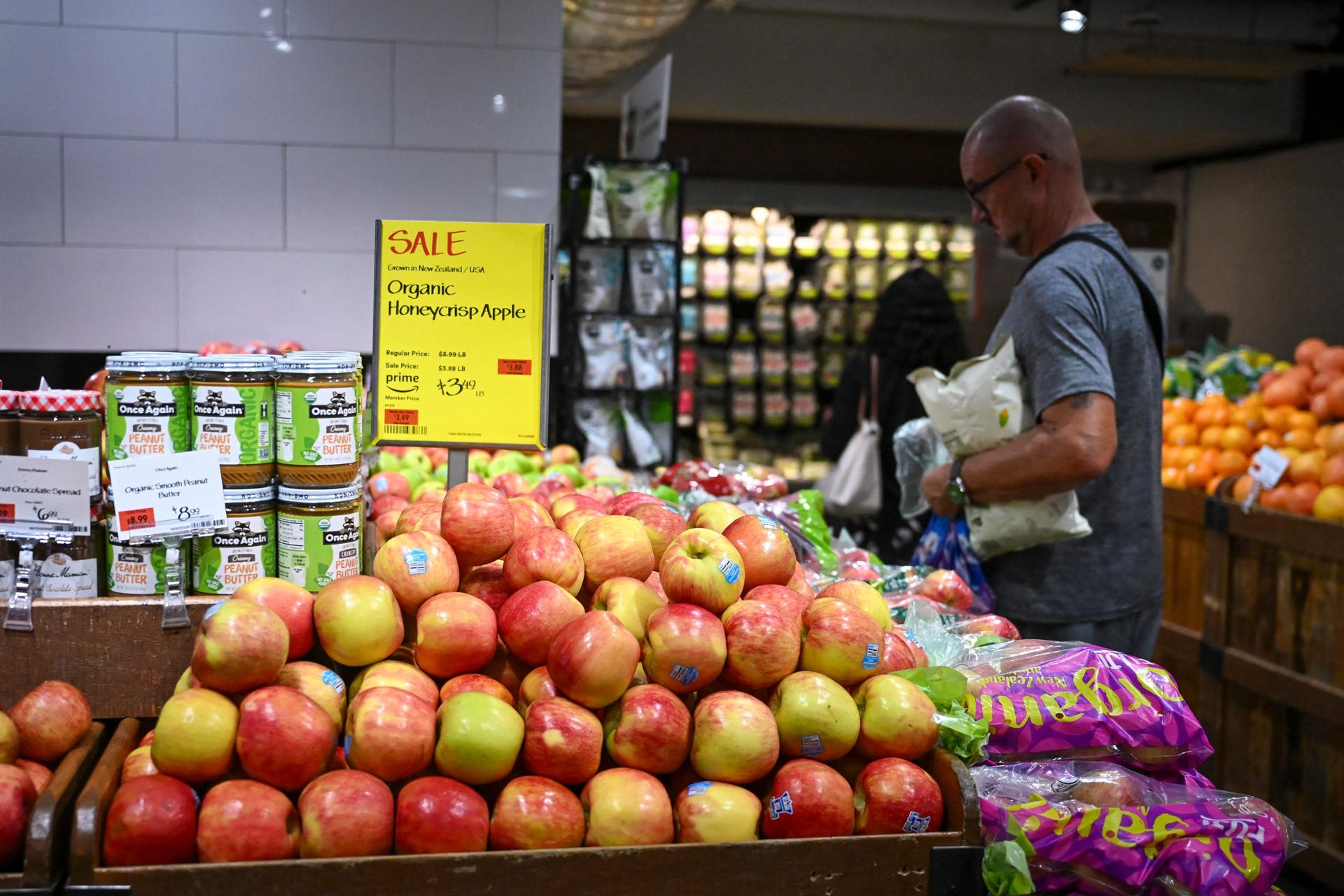
WASHINGTON — A closely watched inflation measure for the U.S. Federal Reserve was unchanged last month, offering the latest sign that many Americans are still facing elevated costs.
The Commerce Department said Wednesday that prices rose 3.7 percent in July from a year earlier. Inflation has intensified since the Iran war began in late February, when it stood at 2.9 percent, and remains well above the Fed’s 2 percent target.
Persistent price increases are emerging as a major issue ahead of the midterm elections, especially as the Iran war has kept gasoline prices elevated, President Donald Trump has threatened new tariffs on Canada and China, and heavy spending on AI infrastructure has pushed up the cost of computers, gaming consoles and semiconductors.
The latest figures are unlikely to settle the debate inside the Federal Reserve, where most officials are prepared to keep interest rates steady while waiting to see whether inflation eases on its own. Others have argued for higher rates to curb borrowing and spending and bring prices under control. New Fed Chair Kevin Warsh is scheduled to deliver a high-profile speech Friday in Jackson Hole, Wyoming, a message that Wall Street will watch closely for clues about his next steps.
Excluding the volatile food and energy categories, core inflation was also unchanged in July at 3.3 percent.
On a monthly basis, overall prices increased 0.2 percent from June to July, after falling 0.1 percent the previous month and rising 0.5 percent in May. Core prices also rose 0.2 percent month to month, up from a 0.1 percent increase in the prior month. Some Fed officials have said core inflation running at about 0.2 percent a month would be a reassuring sign that inflation is moving back toward the 2 percent target.
Still, gasoline prices have rebounded this month, which is likely to push inflation higher when August data are released next month. That leaves the Fed with another round of inflation readings to assess before its next policy decisions, even as many officials remain concerned that, with inflation above target for more than five years, higher interest rates may still be needed to rein in price growth.

