Former CIA Officer: Foreign Intelligence Services' Psychological Profile of Trump Is 'an Easy One-Pager'
Key Takeaways
- •Polymeropoulos said that speaking with adversaries is a normal part of intelligence work, even when they are known enemies.
- •A meeting between a sitting CIA director and Russian intelligence officials is uncommon but has happened before, including a 2021 meeting involving William Burns.
- •Weiss presented two views of Trump’s foreign policy: either he lacks direction or he is pursuing a deliberate effort to weaken Western alliances.
- •Polymeropoulos described Trump as transactional, lacking ideology, and focused on immediate impulses and personal enrichment.
- •The discussion noted that intelligence agencies have long prepared psychological profiles of leaders to inform negotiations and policymaking.
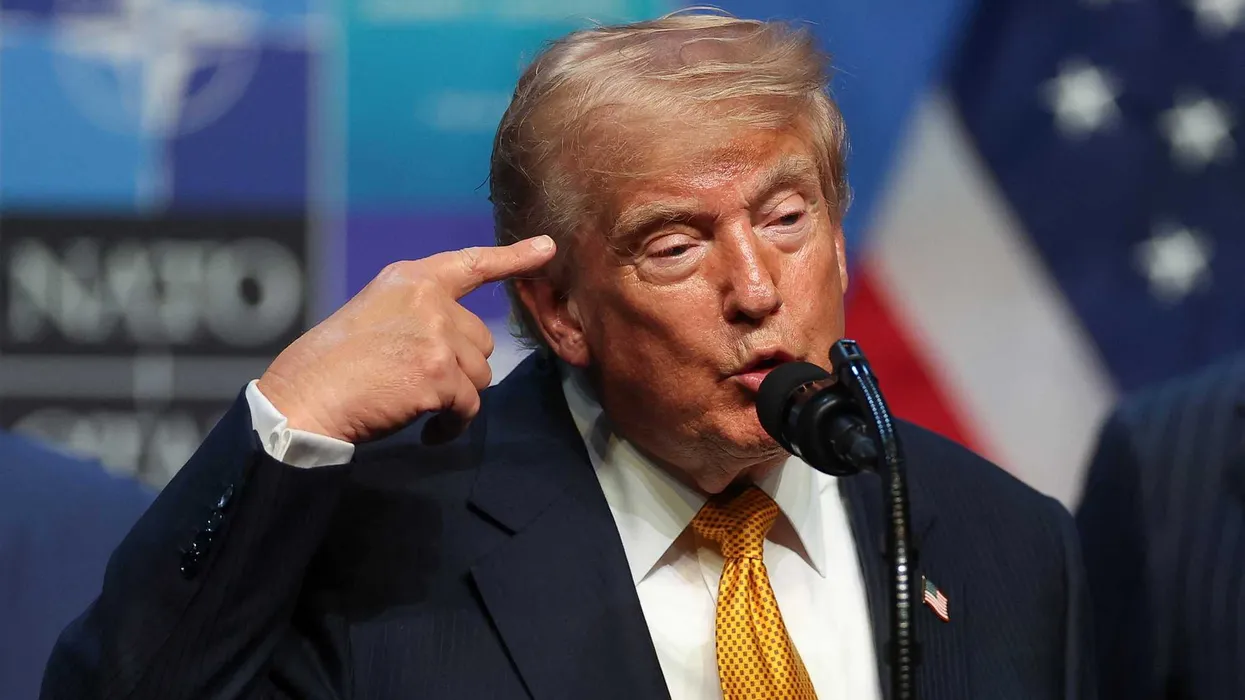
Reporter Michael Weiss and former CIA officer Marc Polymeropoulos appeared on The Bulwark podcast late Tuesday night, discussing why CIA Director John Ratcliffe may have suddenly flown to Moscow. As the conversation drew to a close, the two turned to another subject: the intelligence that U.S. enemies — and likely allies — have gathered on the psychological profile of President Donald Trump.
Polymeropoulos spent 26 years as a CIA operations officer before retiring in 2019 and is now a frequent commentator on intelligence matters, while Weiss is a veteran foreign-affairs reporter. The Bulwark, the outlet behind the podcast, was founded in 2018 by conservative critics of Trump.
Asked what Ratcliffe might be doing in Moscow, Polymeropoulos explained that speaking with adversaries is a core function of American intelligence. The one thing the U.S. intelligence community does, he said, is talk to its enemies while knowing full well they are enemies — so it is not unusual that a CIA director would meet with a U.S. adversary.
Meetings between a sitting CIA director and Russian intelligence counterparts are uncommon but not unprecedented: William Burns, who served as U.S. ambassador to Moscow before leading the agency, met Russian foreign-intelligence chief Sergey Naryshkin in the Russian capital in November 2021.
"And, you know, I will say that these things come out," Polymeropoulos said of Ratcliffe's visit. "We're going to, you know, there will be enough leaks because the one thing that CIA director Ratcliffe's and his PR team ... [are] really good at is leaking to reporters. Don't be surprised if you get an email saying, you know, behind the scenes this is is what we really talk about."
Weiss laid out two possible schools of thought about Trump's foreign policy. The first holds that the president is merely minding his own business.
"Number one, Trump is just — his mind is rice pudding. He doesn't really know what he's doing. He just knows that he's angry. He's resentful. He wants things and he knows that he has a better chance of getting them from our friends and allies than he does from our adversaries because he treats our adversaries with utter deference, just utter abject, humiliating deference," said Weiss. "And then he treats our allies and friends like s——. Like they're our adversaries."
The second school of thought, he continued, comes from those who think Trump has some "grand strategy" — or, as he put it, is "scheming."
"It's really to destroy the West or to destroy NATO, weaken our alliances, and basically bring the Russians in from the cold, and I don't know, establish these warm and fuzzy relationships with our historical adversaries," said Weiss. "And you know, admittedly, it's hard to figure out. I mean, I tend toward the former explanation."
"I just don't give him that much credit," Weiss noted.
"I mean, again, he thought he could go to war with Iran, do regime change on the cheap, no boots on the ground, an air war, slot in Oman ... a few Kurds, and call it a day," said Weiss. "I just don't give him that much credit."
"This is not a guy to me that says, 'Grand Design' or 'Big strategic thinker, here," he added.
That is when Weiss asked Polymeropoulos to write up the profile for Trump.
Leader profiling is, in fact, a long-standing tradecraft. During World War II, the CIA's predecessor, the Office of Strategic Services, commissioned psychiatrist Walter Langer's psychological study of Adolf Hitler, and U.S. government analysts have produced leadership assessments of foreign heads of state for policymakers ever since. Foreign services run the same exercise in reverse, compiling dossiers on American presidents' personalities and decision-making styles to inform how they approach negotiations with Washington.
"That's a great question. I love this question. I can only imagine what the psychological profile of foreign intelligence services are," said Polymeropoulos. "They're probably short. It's probably a one — you know, our policymakers love a one-pager. This is an easy one-pager. He has no ideology. He believes in nothing. He is transactional in everything. And the final piece is that everything is right now. It's here and now, what he's feeling. Everything's based on a whim. And that's how you that's how you describe the crazy whiplashes."
He added that people should not spend too much time trying to figure it out.
"He is a transactional, I guess you could call it, maybe apolitical is the wrong word but he — there is no ideology. There's no Trump doctrine. There's nothing other than, of course, personally enriching him and his family. To me, it's pretty easy. And that sounds a lot like Middle Eastern dictators I deal with all the time," closed Polymeropoulos.
Source: Alternet

