U.S. Forces Disable M/T Lavine Merchant Ship in Gulf of Oman, AP Reports
Key Takeaways
- •U.S. forces disabled the M/T Lavine merchant ship in the Gulf of Oman as part of a reported maritime blockade against Iran.
- •The incident marks a significant escalation because it involved direct military action against a commercial vessel in international waters.
- •The Gulf of Oman and Strait of Hormuz represent one of the world's most critical energy transit chokepoints for seaborne crude oil and LNG.
- •Iran has periodically warned it could close the Strait of Hormuz during conflicts, a scenario analysts view as potentially disruptive to global supply chains.
- •Observers are monitoring maritime analytics data and awaiting statements from Iranian President Pezeshkian and U.S. Defense Secretary Hegseth for further indications of regional stability.
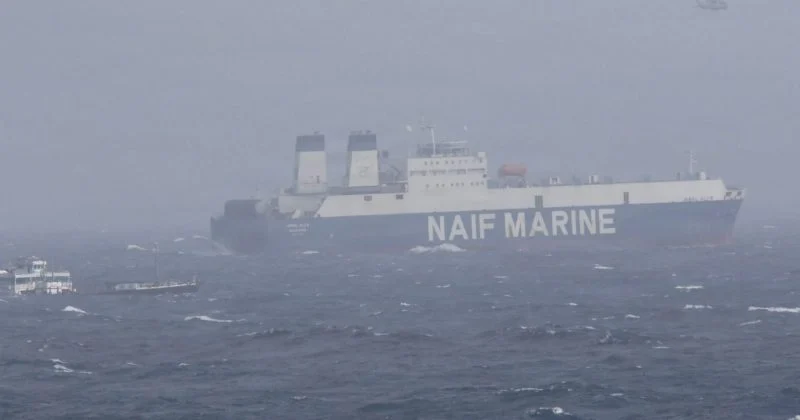
U.S. forces have disabled the M/T Lavine merchant ship in the Gulf of Oman, according to an AP report.
The reported action comes amid what the source described as a broader U.S.-enforced maritime blockade against Iran, involving repeated efforts to disable vessels allegedly carrying Iranian oil or traveling toward Iranian ports. The incident marks a significant escalation because it involved direct military action against a commercial vessel in international waters. Such actions carry implications for norms governing freedom of navigation and the safety of commercial shipping in contested maritime corridors.
U.S. Central Command (CENTCOM) has previously carried out similar operations, using precision munitions as tensions in the region remained elevated. The Gulf of Oman and the adjacent Strait of Hormuz form one of the world's most critical energy transit chokepoints, with a substantial share of global seaborne crude oil and LNG passing through daily. Iran has periodically warned it could close the strait during periods of conflict, a scenario that energy and shipping analysts regard as potentially disruptive to global supply chains.
The reported disabling of the M/T Lavine is being viewed in the context of heightened military tensions in the Gulf of Oman and concerns over maritime security around the Strait of Hormuz, a major global shipping route connecting the Persian Gulf with the Gulf of Oman.
Market participants and regional observers are expected to follow any further military actions or official statements from key figures, including Iran's President Masoud Pezeshkian and U.S. officials such as Secretary of Defense Pete Hegseth. Developments such as verified ceasefires or new maritime security guarantees could affect assessments of regional shipping conditions, while additional attacks or heightened threat indications could reinforce concerns about disruption to Strait of Hormuz traffic.
Observers are also expected to monitor data from maritime analytics firms such as Kpler and Lloyd's List for signs of whether shipping activity in the region is normalizing.

