US Equities Close Higher as Softer-Than-Expected PPI Eases Inflation Concerns
Key Takeaways
- •The S&P 500 reached an intraday record near 7,817 on August 13, while the Nasdaq Composite rose up to 1.0%, led by technology and communication services stocks.
- •July's Producer Price Index was flat month-over-month and increased 4.7% year-over-year, undershooting economists' forecast of a 4.9% annual rise.
- •The FOMC's July 28-29 decision to maintain the federal funds target range at 3.50% to 3.75% carried a rare three-member dissent, highlighting internal disagreement over policy direction.
- •Following the back-to-back moderation in PPI and CPI, the CME FedWatch Tool showed increased market conviction that the Fed will leave rates unchanged at its September 15-16 meeting.
- •Despite the disinflationary trend, some market participants warn that a rate hike later in 2026 cannot be ruled out, as both producer and consumer price growth remain above the Fed's 2% long-run objective.
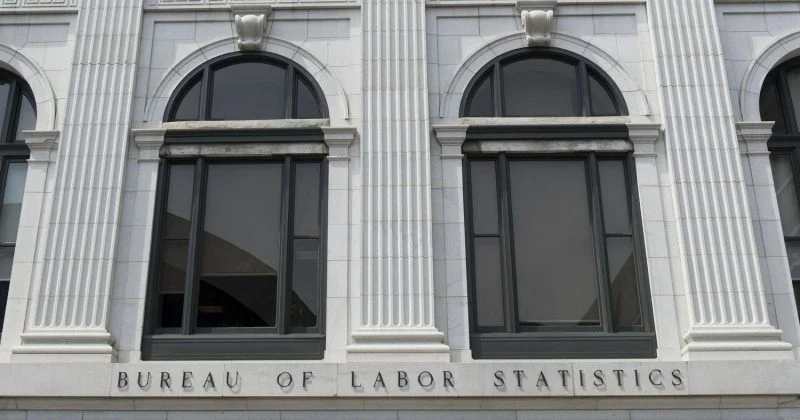
US equities advanced on August 13 after the Bureau of Labor Statistics reported that July's Producer Price Index came in softer than expected, reinforcing expectations that the Federal Reserve will leave interest rates unchanged at its next meeting.
The S&P 500 rose approximately 0.5% to 0.7%, touching an intraday record near 7,817. The Nasdaq Composite outperformed with gains of roughly 0.8% to 1.0%, led by technology and communication services stocks.
Inflation Data Continues to Moderate
The July PPI reading was flat month-over-month and rose 4.7% year-over-year, below the 4.9% annual increase economists had anticipated. June's PPI had come in considerably hotter at 5.5%.
Producer prices are closely watched as a leading indicator, since wholesale cost changes tend to pass through to consumer prices in subsequent months, making PPI a forward-looking signal for the CPI trajectory.
The PPI figures followed July's Consumer Price Index, released one day earlier, which told a consistent story. CPI registered a 3.4% yearly increase, while core inflation—excluding food and energy—settled at 2.5%, down from 2.6% in the prior month. The back-to-back moderation across both measures provided a coherent disinflationary picture for market participants.
Following the data release, the CME FedWatch Tool reflected increased market bets on no rate change at the September 15-16 FOMC meeting.
Current Rate Landscape
The federal funds target range currently sits at 3.50% to 3.75%, a level maintained since the July 28-29 FOMC meeting. That decision was not unanimous—the committee voted 9-3 to hold rates steady, with three members seeking a different course of action. The three dissents represent a notable level of internal disagreement, as multi-member splits at FOMC meetings are relatively uncommon.
The Federal Reserve has kept rates within this range since December 2025, as officials continue to grapple with inflation that has persistently exceeded the central bank's 2% target for more than five years. A vocal minority within the FOMC has advocated for a rate hike to counter sustained inflationary pressure, but recent economic indicators, particularly a weaker-than-expected jobs report, have tempered expectations for such a move in the near term.
Sector Performance and Outlook
Technology and communication services were the session's clear winners. The technology sector, especially companies tied to artificial intelligence, has shown heightened sensitivity to rate outlook changes and frequently drives market leadership when easing inflation signals suggest borrowing costs may not rise significantly.
Some traders remain cautious, however. Even with a September hold increasingly likely, certain market participants are monitoring the possibility of a rate increase later in 2026, given that year-over-year PPI at 4.7% and CPI at 3.4% both remain above the Fed's long-run 2% target. The next key data point for markets will be the August employment report, which will offer fresh evidence on whether the labor market softening trend observed in July is continuing.

