US Allies Turn to Congress for Reassurance and Accountability on Trump's Foreign Policy
Key Takeaways
- •A Washington Post report says U.S. allies worried about President Trump's foreign policy are asking Congress to reassure America's partners and hold the president accountable.
- •Sen. Andy Kim joined a bipartisan delegation at the Halifax International Security Forum, where attendees said the only American voice their countries hear is Donald Trump.
- •Allies' concrete priorities include reaffirmed U.S. commitment to European partners, continued military and financial assistance for Ukraine, and greater support for Taiwan's security.
- •Congress is negotiating restrictions on funding for the war in Iran and weighing similar measures to halt the administration's campaign against suspected drug traffickers in Latin America.
- •Sen. Chris Coons, set to lead the Senate Foreign Relations Committee, said lawmakers must hold the president accountable for his military decisions.
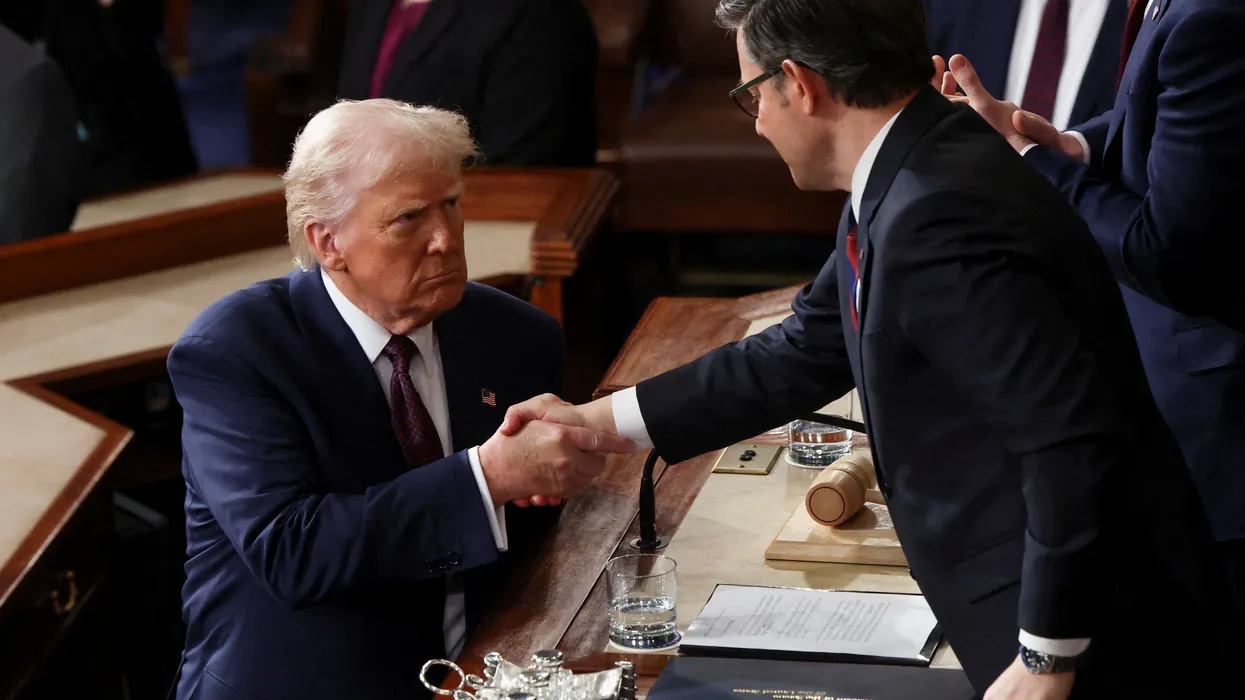
U.S. allies, concerned about President Donald Trump's foreign policy, are taking matters into their own hands and appealing to Congress for help, hoping lawmakers will put America's partners at ease and hold the president accountable for certain decisions, according to a new report from The Washington Post.
The frustrations came into sharp focus this week at a meeting with U.S. allies in Canada. Sen. Andy Kim heard the same concerns there, with attendees reiterating that he and others in power need to stand up to Trump. As one source told the outlet, they told him, "The only American voice our countries hear is Donald Trump."
Kim, a Democratic senator from New Jersey, joined a bipartisan delegation at the annual Halifax International Security Forum to reassure frustrated U.S. allies that, under new leadership beginning in January, Congress will soon play a greater role in shaping American foreign policy. The annual gathering in Nova Scotia brings together lawmakers, defense officials, and security experts from allied democracies for discussions on security cooperation.
Worries persist because Trump has sent contradictory signals about working amicably with the incoming members of Congress: he has vowed to veto everything, while also promising to be open. With such conflicting messages, there is little hope that things will go smoothly.
"Is the veto Sharpie so big that nothing's going to change?" Adrienne Arsenault, a Canadian journalist, asked Democratic Sen. Chris Coons of Delaware during one panel discussion.
Democrats admit the road ahead may be difficult, but they say they are up for the challenge. "We may not be able to change Trump's behavior," Democratic Sen. Tim Kaine of Virginia said in an interview with the outlet. "But we can at least speak as Congress — and I believe we will speak — in a much louder and forceful way about how we value alliances."
Beyond the rhetoric, allies have a concrete list of concerns they want addressed. At the top is a need to make clear that the United States remains committed to its European allies. Also a priority is the push for continued U.S. military and financial assistance for Ukraine, and allies want more support for Taiwan's security as well.
U.S. lawmakers are already looking for ways to use the power of the federal purse to limit Trump's military operations. Congress is negotiating a deal to restrict funding for the war in Iran while also weighing similar measures to halt the administration's campaign against suspected drug traffickers in Latin America. The leverage rests on Congress's constitutional authority to appropriate federal money, and any restriction would need to clear both chambers and either secure the president's signature or enough votes to override a veto. How those negotiations unfold once the new Congress convenes in January will show whether the reassurances offered in Halifax come backed with legislative force.
Coons, who is set to lead the Senate Foreign Relations Committee — the panel with jurisdiction over treaties, diplomacy, and confirmation of the administration's top diplomatic nominees — said lawmakers must hold the president accountable for his military decisions.
"It's just like a parent saying you've got to go to bed," Coons said. "Eventually there's got to be accountability."

