Group Urges Philippine Crackdown on Illicit Cebu Cigarette Trade
Key Takeaways
- •An unidentified group has urged the Philippine government to take stronger enforcement action against the illicit cigarette trade operating in Cebu.
- •The report did not disclose the group's identity, the estimated size of the illicit market in the province, or the specific enforcement measures being requested.
- •The Bureau of Internal Revenue administers tobacco excise taxes and operates a mandatory stamp system requiring domestically sold cigarettes to carry stamps verifying that excise has been paid.
- •The Bureau of Customs is responsible for interdicting smuggled goods at ports of entry, and Cebu hosts the Port of Cebu, a key port of entry in the Visayas.
- •Illicit tobacco erodes government tax collections and leaves consumers with products that bypass regulatory oversight.
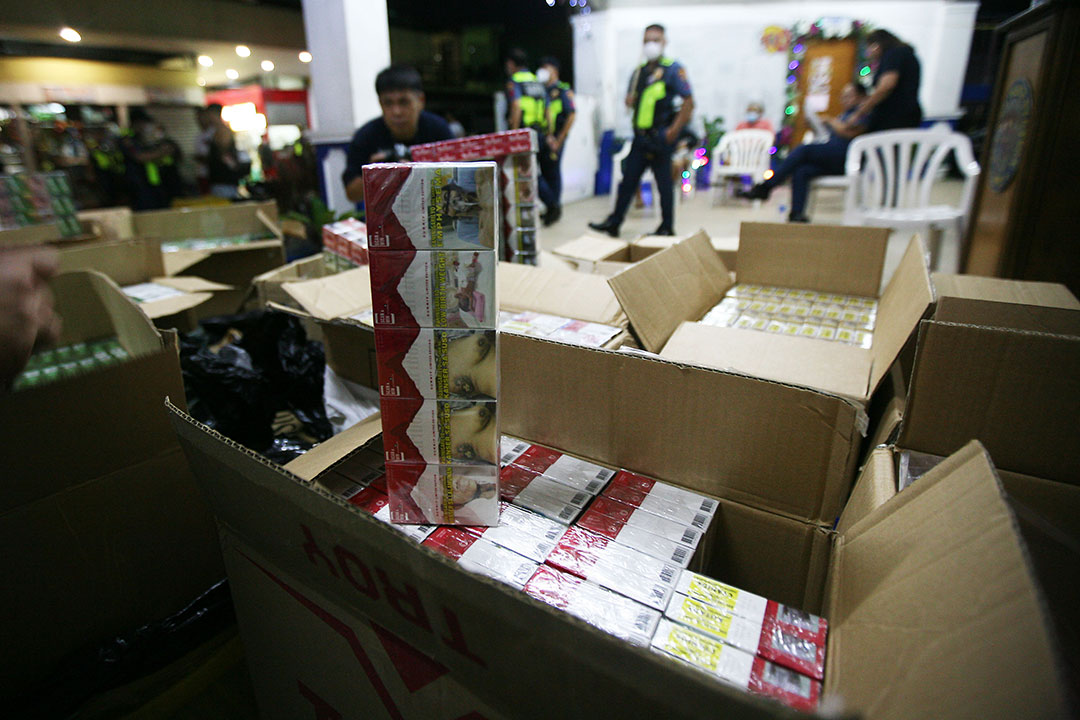
A group has called on the Philippine government to crack down on the illicit cigarette trade in Cebu, according to a report published by BusinessWorld Online under its The Nation section on November 27, 2026.
The group urged authorities to take stronger enforcement action against the illicit cigarette trade operating in Cebu, a province in the Philippines' Central Visayas region. The available report did not identify the group, and no further details were provided on the scale of the illicit activity or the specific measures being sought. Those open points — the group's identity, the estimated size of the illicit market in the province, and the enforcement steps being requested — are the details to watch in any response from the Bureau of Internal Revenue, the Bureau of Customs, or in follow-up reporting on the appeal.
The illicit cigarette trade broadly refers to tobacco products that reach the market without paying required taxes, including smuggled goods lacking excise stamps and counterfeit branded products. In the Philippines, excise taxes on tobacco are administered by the Bureau of Internal Revenue, which also runs a mandatory internal revenue stamp system under which cigarettes sold domestically must carry stamps verifying that excise has been paid, while the Bureau of Customs is responsible for interdicting smuggled goods at ports of entry. Cebu's enforcement picture intersects with that customs mandate: the province hosts the Port of Cebu, a key port of entry in the Visayas. Illicit tobacco is widely recognized as a persistent concern for governments because it erodes tax collections and leaves consumers with products that bypass regulatory oversight, with volumes that evade taxation translating into revenue the state does not collect.

