US Government Wallet Moves Alameda-Linked Bitcoin, Reviving Strategic Reserve Questions
Key Takeaways
- •A US government-controlled wallet moved Bitcoin linked to Alameda Research, coins that were seized after FTX collapsed in November 2022 and its founder Sam Bankman-Fried was convicted of fraud in 2023.
- •The transfer is a custody event moving coins between wallet addresses and does not automatically indicate that any Bitcoin was sold.
- •President Trump signed an executive order in March 2025 establishing a Strategic Bitcoin Reserve funded with forfeited bitcoin and intended not to be sold, a break from earlier practice in which seized crypto was auctioned, including roughly 30,000 Silk Road BTC sold by the US Marshals Service in 2014.
- •The intent behind the transfer remains unconfirmed, and analysts will look for an official statement as well as signals such as coins landing on an exchange or repeated follow-up movements from official wallets.
- •Blockchain-analytics firms such as Arkham Intelligence publicly label addresses believed to belong to the US government, which is why transfers from these wallets typically become public before any official comment.
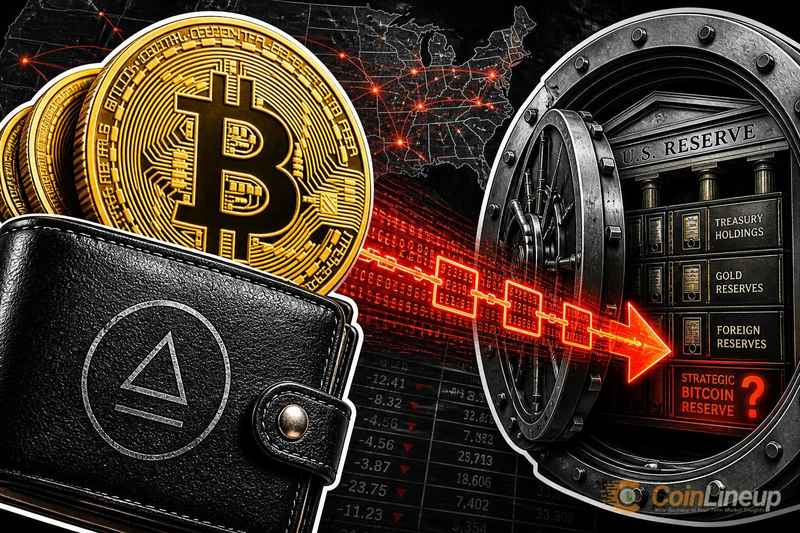
A US government-controlled wallet has moved Bitcoin linked to Alameda Research, the collapsed trading firm connected to the failed FTX exchange, and the transfer has revived questions about how officials plan to manage a long-term strategic Bitcoin reserve.
What Happened in the Alameda-Linked Bitcoin Transfer
A wallet controlled by the US government shifted Bitcoin tied to Alameda Research, according to CryptoSlate reporting.
An on-chain move like this simply means coins traveled from one wallet address to another. It is a custody event — a change in where the coins are stored — not automatic proof that anyone sold the Bitcoin.
How such a move becomes public is part of the story. Blockchain-analytics firms such as Arkham Intelligence publicly label addresses believed to belong to the US government, which is why transfers from them often come to light quickly, typically before any official comment.
The funds matter because they trace back to assets seized in connection with the FTX and Alameda collapse. FTX failed in November 2022, and its founder, Sam Bankman-Fried, was convicted of fraud in 2023; Alameda, the exchange’s affiliated trading firm, is the source of these seized coins. That history is why any activity in this wallet draws close attention.
Why the Transfer Is Raising Strategic Reserve Policy Questions
The US has discussed holding Bitcoin as a strategic reserve, meaning coins the government keeps rather than sells. That idea became formal policy in March 2025, when President Trump signed an executive order establishing a Strategic Bitcoin Reserve capitalized with bitcoin forfeited in criminal and civil proceedings, with the stated intent that the reserve would not be sold. Any transfer from an official wallet can clash with that “never sell” idea, at least in appearance.
The reserve also marked a break from long-standing practice. Before it, the default route for seized crypto was forfeiture followed by auction, and the US Marshals Service sold roughly 30,000 BTC from Silk Road seizures in 2014.
The core issue is intent. Moving coins between government wallets is routine housekeeping, while sending them toward an exchange could signal a sale. Right now, the reason the move draws scrutiny is uncertainty. Observers cannot yet tell from the transfer alone whether it reflects internal management or a step toward reducing holdings.
That ambiguity is exactly why a small transaction can spark large policy debates, as the CryptoSlate report framed it. The “fine print” of how a reserve is actually run turns out to matter as much as the headline promise.
What Crypto Watchers Will Look For Next
The clearest signal would be an official statement explaining the purpose of the move. Without one, analysts fall back on watching the blockchain itself.
Crypto watchers will track the destination wallet closely. If the Bitcoin later lands on a trading exchange, that would point toward a possible sale rather than simple storage.
Follow-up transfers also tell a story. A pattern of repeated movements from official wallets looks different from a single, one-off custody change.
All of this feeds back into the bigger question of reserve policy. How Bitcoin’s role as a government asset evolves has become a recurring theme in coverage of the asset, from security upgrades on the Bitcoin network to the macroeconomic headlines that move Bitcoin’s price.
The practical takeaway: if you hold a small amount of Bitcoin, this transfer changes nothing about your coins. It is worth watching only because it hints at how the US government may treat its own Bitcoin over time, and the honest answer today is that the intent behind the move is still unconfirmed.
Disclaimer: This article is for informational purposes only and does not constitute financial or investment advice. Cryptocurrency and digital asset markets carry significant risk. Always do your own research before making decisions.
