UN Report Accuses Israel of International Law Violations in 2025 West Bank Raids
Key Takeaways
- •A UN report accuses Israel of violating international law during January–February 2025 raids that displaced the entire populations of the Jenin, Tulkarm, and Nur Shams refugee camps in the West Bank.
- •The raids were part of the 'Iron Wall' operation launched in January 2025, one of Israel's most extensive military presences in the West Bank in years, and camp residents are still prevented from returning home.
- •France, the United Kingdom, Canada, and Australia recognized a Palestinian state in September 2025, while the United States has not.
- •The report could increase pressure on governments, including the US, to reconsider positions on recognizing Palestinian statehood, with current market pricing still indicating low odds of US recognition.
- •Statements or resolutions from actors such as the US, EU, or UN Security Council could affect prediction market pricing on Palestinian recognition before 2027.
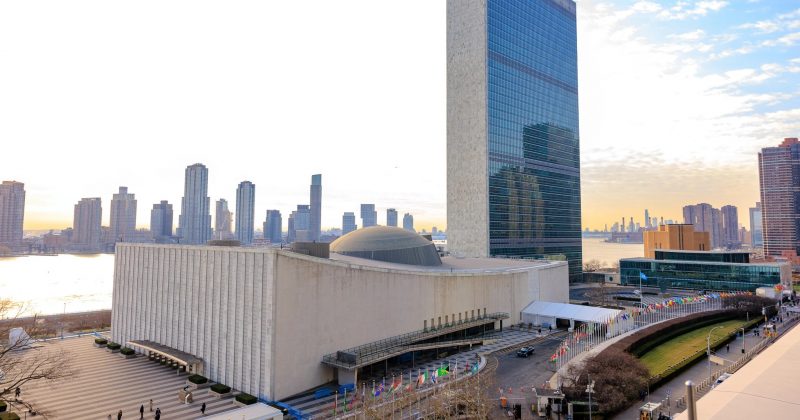
A recent United Nations report accuses Israel of violating international law during military raids conducted in January and February 2025, operations that displaced the entire populations of three refugee camps in the Occupied West Bank. The camps affected — Jenin, Tulkarm, and Nur Shams — have been at the center of an extended Israeli counteroperation in the northern West Bank, launched in January 2025 under the name "Iron Wall," which marked one of the most extensive Israeli military footprints in the territory in years. According to the report, residents of those camps are still being prevented from returning to their homes, a situation that has heightened tensions across the region.
The UN's assessment may intensify international scrutiny of Israel's actions and could prompt renewed discussions over the recognition of Palestinian statehood, with potential consequences for geopolitical alignments. The question has gained broader momentum in 2024–2025, as France, the United Kingdom, Canada, and Australia moved to recognize a Palestinian state in September 2025, while the United States has not followed. By highlighting alleged legal violations, the report could increase pressure on governments — including the United States — to reconsider their positions on recognizing Palestine.
The development also appears to be rippling through prediction markets tied to the question of Palestinian recognition before 2027. Market participants may read the report as a factor that raises the likelihood of recognition, an interpretation that could be reflected in the pricing of relevant contracts. Prediction markets of this kind aggregate participant expectations about geopolitical events, though their pricing reflects sentiment rather than authoritative forecasts.
The report's findings suggest possible diplomatic repercussions for Israel, while current market pricing indicates that the odds of US recognition of Palestine remain low, though they may shift as further international developments unfold.
Observers are watching for responses from key international actors, including the United States, the European Union, and the UN Security Council. Any formal statements or resolutions urging recognition of Palestine could affect market pricing. In addition, continued tension in the West Bank and further documented reports of international law violations may shape both geopolitical dynamics and market sentiment.
