Britain Faces Electricity Shortage as Solar Eclipse Disrupts Power Generation
Key Takeaways
- •The solar eclipse will block up to 95% of the sun in parts of Britain between roughly 6pm and 8pm, marking the most significant such event since 1999.
- •NESO revised the expected electricity supply deficit from 1,700MW to 1,200MW and issued a precautionary Electricity Margin Notice urging generators to add capacity.
- •Solar power supplied 14.4% of Britain's electricity in July, meaning the eclipse poses a far greater operational challenge than the comparable 1999 event.
- •Energy prices may exceed £210 per MWh, the highest level since late June, as the eclipse coincides with the country's fifth summer heatwave driving increased cooling demand.
- •Octopus Energy offered eligible customers free electricity the following weekend if they reduced consumption during the eclipse window.
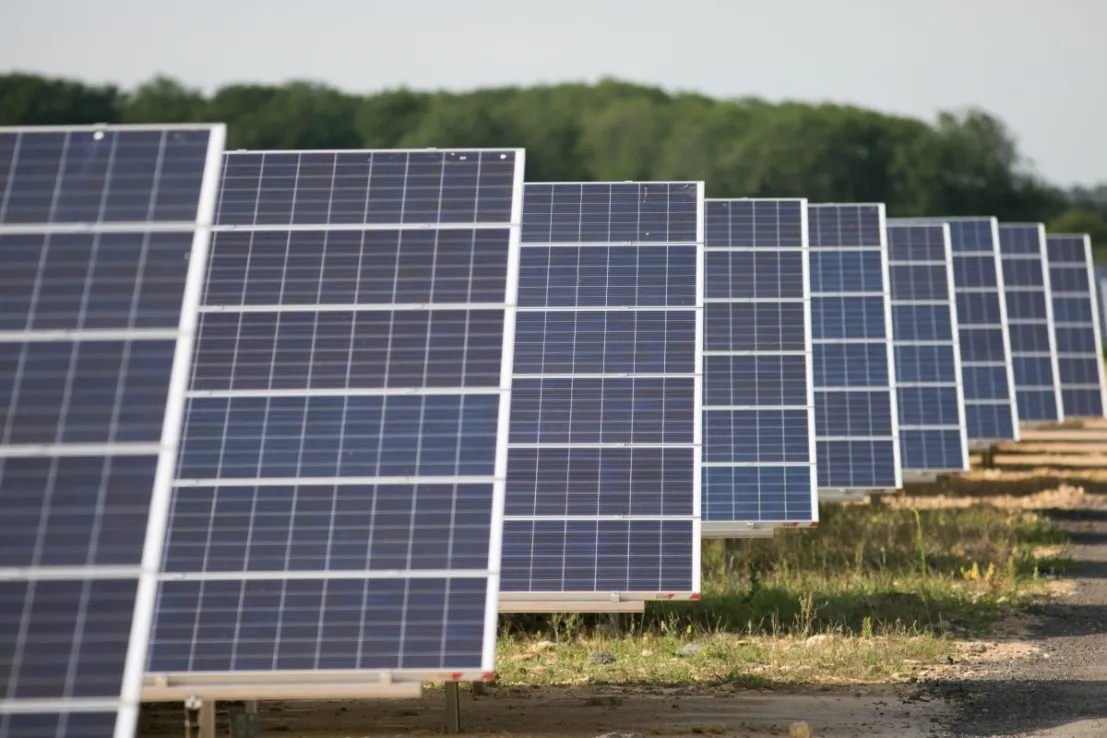
Britain is bracing for an electricity supply shortfall as a solar eclipse temporarily plunges parts of the country into darkness and sharply curtails solar power generation.
The eclipse — the UK's most significant since 1999 — is expected to eliminate the vast majority of solar power output, with the moon blocking up to 95 per cent of the sun in some regions. It is scheduled to begin shortly after 6pm, peak approximately one hour later, and conclude across the UK by around 8pm. When the last comparable eclipse crossed Britain in 1999, solar power was a negligible contributor to the grid; today, the rapid growth of installed solar capacity means such celestial events pose a materially different operational challenge, as operators must manage both the steep drop-off and the equally rapid recovery of generation as the moon passes.
The National Energy System Operator (NESO) initially warned the eclipse could trigger a supply shortage of 1,700MW, a figure it later revised down to a deficit of 1,200MW. NESO has called on power generators to bring additional capacity online to mitigate the gap.
"We have used our routine tool of issuing an Electricity Margin Notice (EMN) for tomorrow evening's peak, which simply means we are asking market participants to make any additional generation capacity they may have available," a NESO spokesperson said. "The notice has been issued as a precautionary measure to the market due to the solar eclipse and there is no risk to customer electricity supplies."
The potential loss of solar generation is significant: solar power accounted for 14.4 per cent of British electricity production in July. The episode underscores a broader challenge facing grid operators across Europe as renewable penetration rises — eclipses, while predictable, compress the normal morning-to-evening solar ramp into a much shorter window, requiring flexible backup generation or demand-side responses to maintain equilibrium.
The supply shortfall coincides with the country's fifth heatwave of the summer, placing additional strain on energy usage and pricing as households ramp up cooling demand. Energy prices are projected to stay elevated throughout the day, with forecasts indicating they could exceed £210 per MWh — the highest levels recorded since the prolonged heatwave in late June.
NESO is expected to provide compensation payouts to energy companies, costs that are anticipated to be passed through to consumers' energy bills.
Octopus Energy, Britain's largest household energy supplier, has also urged customers to reduce their everyday energy consumption during the eclipse. In exchange, the company offered eligible customers free energy the following weekend.
