South Korean Human Rights Commission Orders Bathhouse to End Gender-Based Extra Fees for Women
Key Takeaways
- •The NHRCK concluded that charging women extra for towels and soap while giving those items free to men is discriminatory.
- •A female customer filed the complaint in September last year over the bathhouse’s different treatment of women and men.
- •The bathhouse said the fee was added because towels were frequently lost in the women’s section.
- •The commission said the problem should not be attributed to all female patrons and cited alternative measures such as deposits or fixed soap dispensers.
- •The NHRCK ordered corrective action and recommended administrative guidance from the relevant local government.
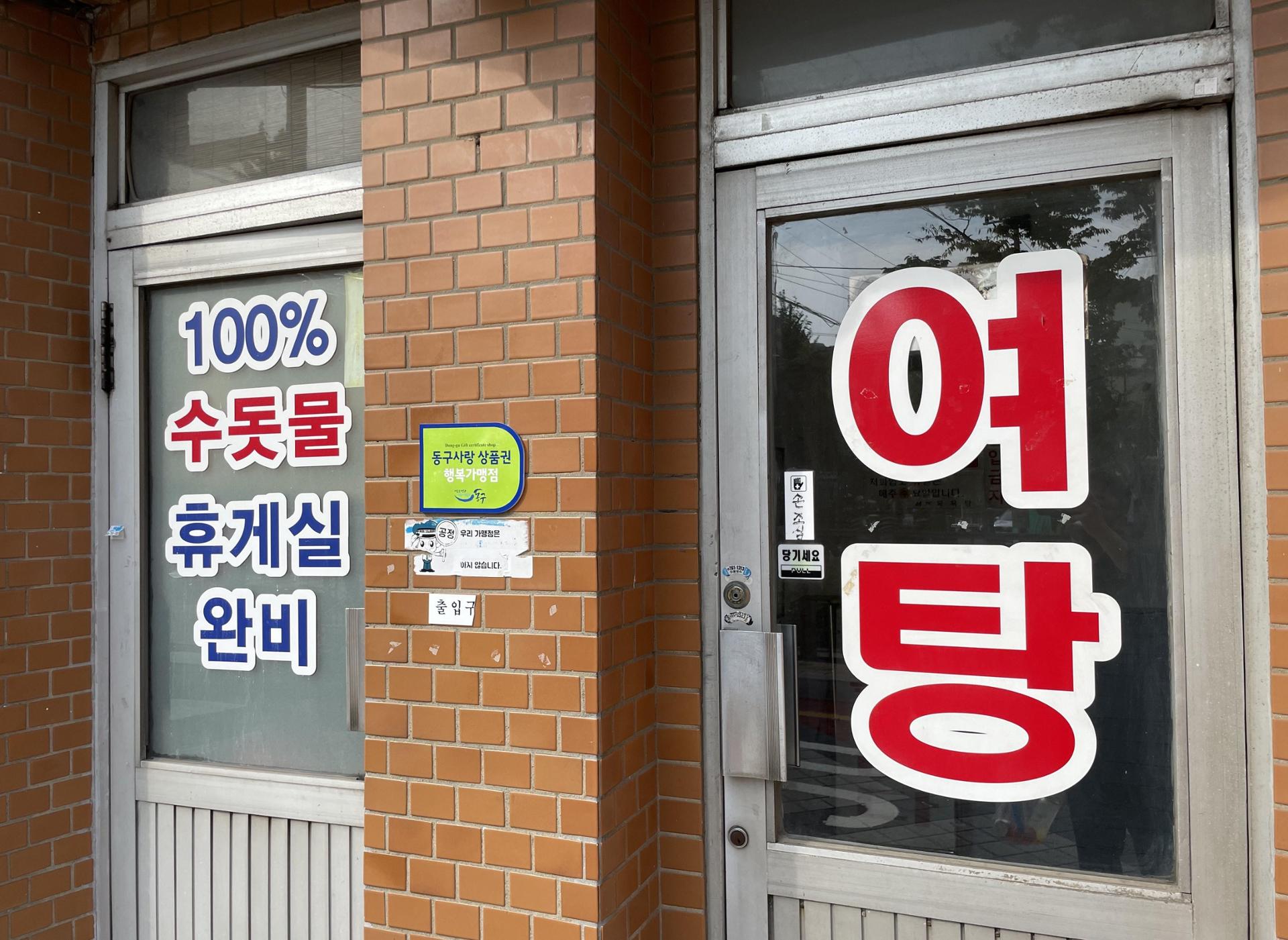
The National Human Rights Commission of Korea (NHRCK) has ruled that charging women separately for towels and soap at public bathhouses while providing those items free of charge to men constitutes gender discrimination.
The NHRCK, South Korea's statutory human rights body authorized to investigate discrimination complaints and issue corrective recommendations, found through its Discrimination Remedy Committee that a bathhouse which supplied towels and soap at no cost to male patrons while imposing additional fees on female customers engaged in discriminatory practice. The commission ordered the bathhouse to implement corrective measures and recommended that the head of the relevant local government provide administrative guidance, according to a statement released Thursday.
The case originated in September of last year, when a female customer filed a complaint with the NHRCK asserting that it was unjust for only women to be charged for towels and soap. In its defense, the bathhouse stated that towels were frequently lost in the women's section, prompting the business to begin charging nonmember female customers an additional fee. The establishment also claimed that other bathhouses followed the same practice — an assertion that, if accurate, would place this complaint within a broader pattern of differential pricing at communal bathing facilities widely used across Korean daily life.
The NHRCK rejected this reasoning, concluding that even if the towel recovery rate in the women's section was relatively low, the issue was attributable to individual users rather than all female patrons collectively. Imposing additional costs on all women customers based on the conduct of a subset of users constituted a measure rooted in gender stereotypes and generalizations, the commission found.
The commission further stated that applying different terms of use based on gender represented discrimination extending beyond individual responsibility. It noted that the bathhouse had failed to consider alternative solutions, such as requiring deposits to strengthen towel return procedures or installing soap in fixed, wall-mounted dispensers.
Additionally, the NHRCK emphasized the public service character of public bathhouses and asserted that local governments bear a responsibility to supervise and manage such facilities to ensure customers are afforded equal and nondiscriminatory conditions of use. While NHRCK corrective orders are not independently enforceable as court judgments, they carry institutional weight and can prompt administrative action or legislative attention to similar practices.
Source: The Korea Times
