AI Spending Among UK SMEs Quadruples But Still Accounts for Just 0.1% of Business Card Spending
Key Takeaways
- •The share of UK SMEs spending on AI services rose from 3.2 per cent in Q2 2024 to 12.8 per cent in Q2 2026, a fourfold increase.
- •Despite rising adoption, AI spending accounts for only 0.1 per cent of total card transaction value processed by Capital on Tap, implying approximately £4 billion in annual UK spending.
- •Median AI spend per SME was £75.60 in Q2 2026, far below the £288 mean, indicating that most small businesses remain in an experimental phase while a small group commits substantial budgets.
- •Major technology firms including Microsoft, Alphabet, Amazon, and Meta are projected to invest nearly $1 trillion in AI infrastructure this year, with even larger sums expected next year.
- •Current AI spending growth, while rapid, has not reached a pace sufficient to close the gap between massive infrastructure investment and actual business revenue from AI services.
Prominent technology leaders have issued stark warnings about AI's potential impact on the global workforce. Tom Blomfield, founder of Monzo, has predicted that unemployment will surge over the next five years as AI increasingly replaces human output. Elon Musk has gone further, estimating that unemployment could approach 100 per cent within a decade.
New transaction data, however, paints a more measured picture of how businesses are actually engaging with AI today. Capital on Tap, one of the United Kingdom's largest SME lenders, tracks spending patterns across tens of billions of pounds in transactions annually. SMEs account for approximately 99 per cent of all UK businesses, making their spending patterns a useful barometer of how far AI has penetrated the broader economy.
Rising Adoption From a Small Base
The firm's data shows that AI adoption among small businesses has grown significantly over the past two years. In the second quarter of 2024, just 3.2 per cent of SMEs spent money on AI company services. That proportion quadrupled to 12.8 per cent by the second quarter of 2026.
Mean average spending per small business on AI also rose sharply, climbing from £93 to £288 over the same period. The median spend for the second quarter of 2026, however, was considerably lower at £75.60, as the mean figure is skewed by a small group of high spenders. Businesses in the 99th percentile of AI spending averaged £3,159 each — more than forty times the median — indicating that while a growing share of small businesses are paying for AI tools, the majority remain in an experimental phase with modest subscriptions, while a narrow cohort has committed substantial budgets.
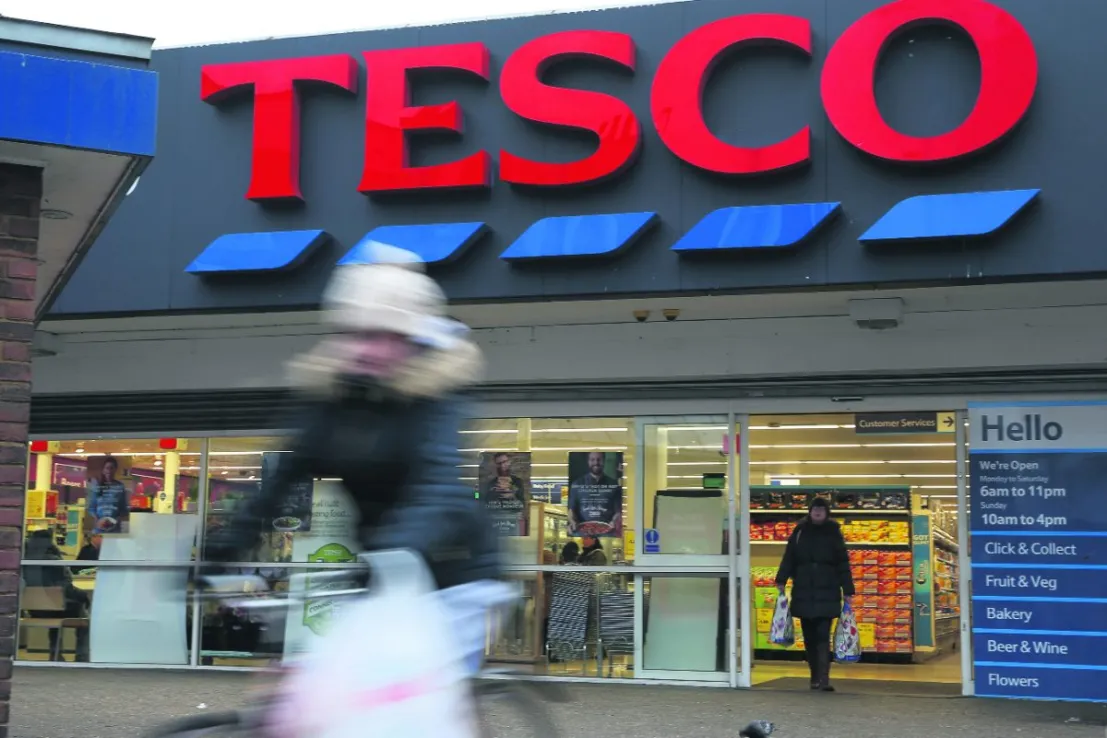
Despite the growth, AI tools still account for only 0.1 per cent of the total value of all card spending processed by Capital on Tap. Extrapolated across the wider UK economy, this implies total spending on AI services of approximately £4 billion per year — less than a tenth of Tesco's turnover.
This figure broadly aligns with other estimates of annual global AI spending, which place the worldwide total somewhere between £100 billion and £150 billion.
Infrastructure Investment Far Outpaces Revenue
Spending on AI services will likely continue rising as major providers increase charges for their models. The growth comes, however, at a time when the world's largest AI firms — including Microsoft, Alphabet, Amazon, and Meta — are expected to invest nearly $1 trillion in infrastructure this year, with even larger sums projected for next year — a substantial portion of which is funded by debt.
For those infrastructure investments to deliver returns, business AI spending would need to expand by orders of magnitude. While current spending is increasing rapidly, it has not yet reached a pace sufficient to close the gap between capital outlay and actual revenue. That discrepancy is a question an increasing number of investors are now weighing.
