South Korea to Announce Detailed Youth Job Creation Plan Amid Persistent Employment Challenges
Key Takeaways
- •South Korea's youth unemployment rate for those aged 15 to 29 rose to 6.8 percent in July, representing the largest year-on-year increase in more than five years.
- •The country added 108,000 jobs overall in July, but employment for young people has fallen annually for 27 consecutive months.
- •Manufacturing sector employment declined by 68,000 positions in July, marking 25 straight months of contraction in an industry central to South Korea's export-driven economy.
- •Finance Minister Koo Yun-cheol said the government will announce tailored employment policies for struggling sectors and accelerate three major infrastructure initiatives focused on semiconductors and AI.
- •External pressures including the Middle East conflict, extreme heat, and regional drought are compounding challenges in employment and consumer prices.
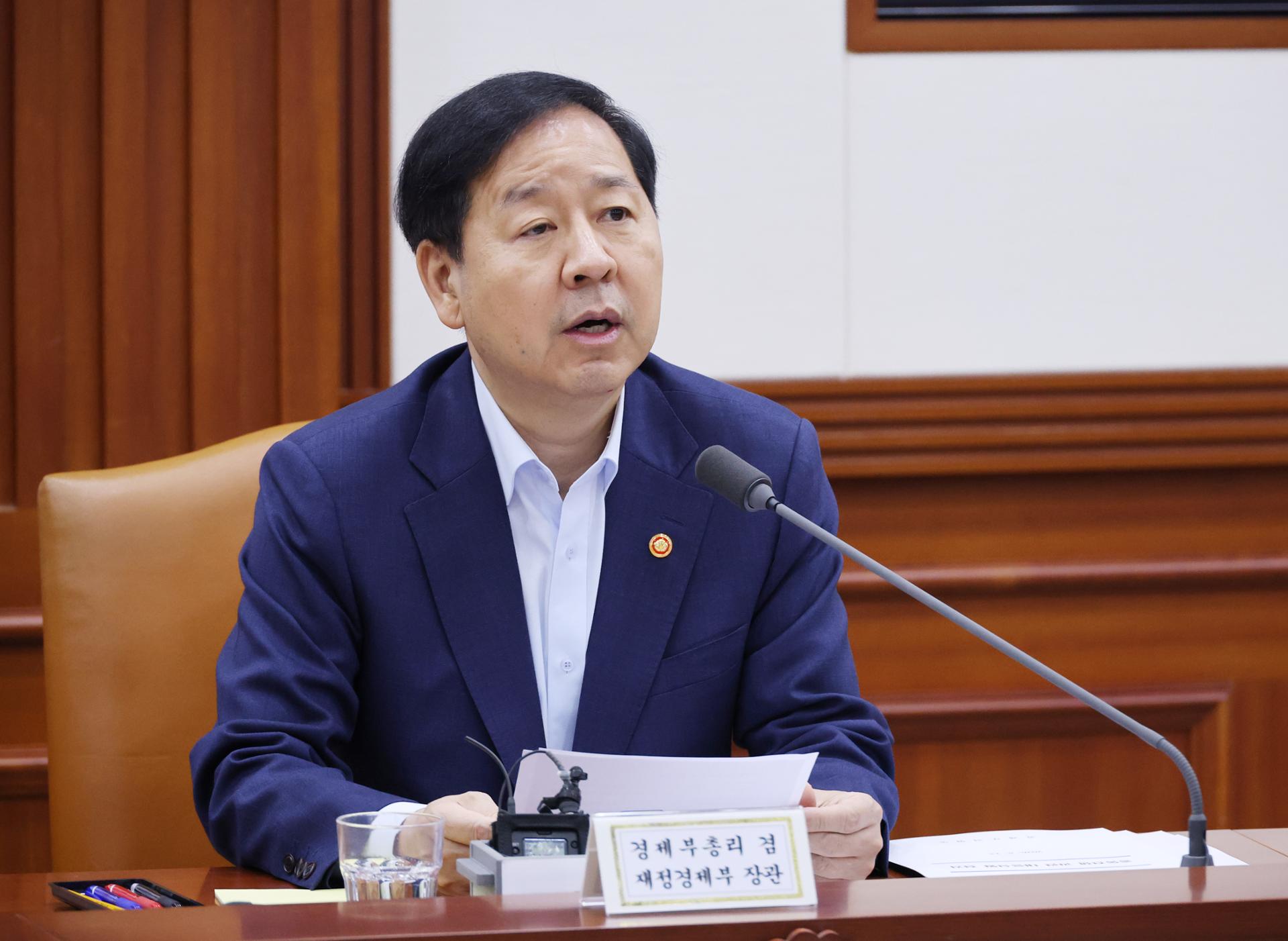
South Korea's government will soon release detailed measures aimed at creating jobs for young people, responding to ongoing difficulties in a labor market strained by the country's demographic decline and structural shifts in its export-driven economy, Finance Minister Koo Yun-cheol announced Thursday.
Speaking during a meeting with economy-related ministers at the Government Complex Seoul, Koo acknowledged that employment among young people and in the manufacturing sector continues to lag despite overall job gains nationwide.
The announcement follows data released the previous day by the Ministry of Employment and Labor showing that South Korea added 108,000 jobs in July compared to a year earlier. However, the employment rate for those aged 15 to 29 dropped 1.6 percentage points to 44.2 percent, declining on an annual basis for the 27th consecutive month.
The unemployment rate for the same age group climbed 1.3 percentage points to 6.8 percent, representing the largest year-on-year increase in more than five years.
"The prolonged Middle East war, the unprecedented heat wave, along with a drought in some regions, are weighing on employment and consumer prices," Koo said.
Manufacturing sector employment fell by 68,000 jobs in July from a year earlier, marking the 25th straight month of decline. Construction-related jobs also contracted year-on-year for the 27th consecutive month. The prolonged slide in manufacturing employment is particularly significant for South Korea, where exports of semiconductors, automobiles, and petrochemicals have long served as the backbone of economic growth and a primary source of stable, well-paying jobs.
"The government plans to promptly prepare and announce measures to revitalize employment among young people, along with tailored policies for sectors facing challenges, such as manufacturing and construction," Koo added.
The finance minister emphasized the government's commitment to accelerating three major infrastructure initiatives, announced in late June, which outline large-scale investments in a semiconductor production cluster, physical AI, and AI data centers in regional areas. The focus on semiconductors and AI infrastructure reflects an effort to channel investment into high-value sectors where South Korea already holds competitive strengths, led by companies such as Samsung Electronics and SK Hynix, even as automation and AI adoption reshape traditional hiring patterns.
"The government will especially implement the three megaprojects initiative at full speed so that corporate investment leads to a virtuous cycle of securing growth engines and creating quality jobs preferred by young people," Koo said.
